business · January · 7 min read
Pricing Cut Flowers: The Formula I Wish I Had in Year One
The pricing formula that transformed my flower farm from chaos to confidence, with real UK examples and the margins that actually work.
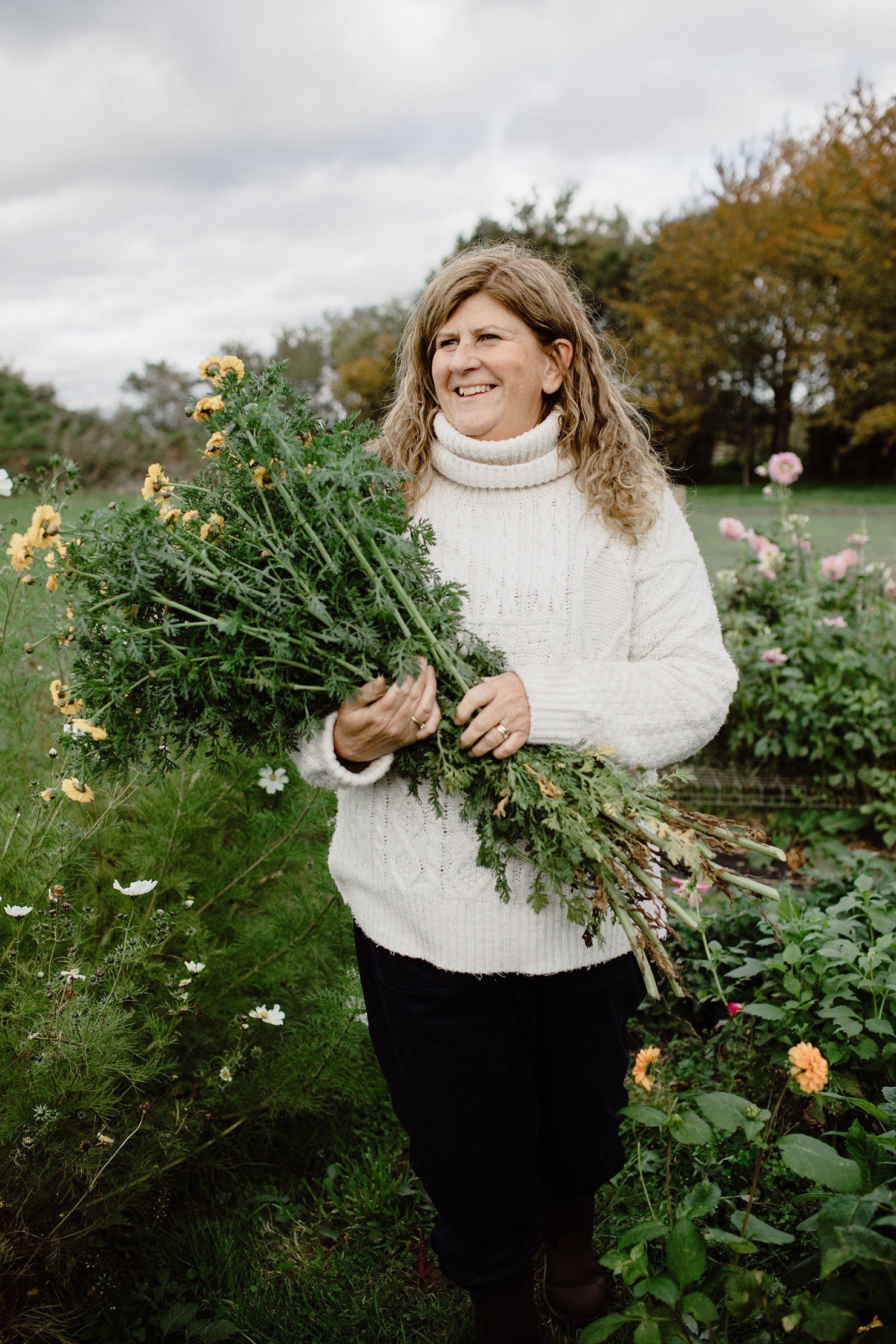

I got pricing spectacularly wrong in my first year. I looked at supermarket bunches, panicked, and priced my stems so low I could barely cover seed costs. I was terrified no one would buy from me if I charged what I needed. Sound familiar?
The truth is, pricing cut flowers is not about guessing or copying your neighbour. It is a formula. Once you understand it, you can price with confidence, protect your margins, and build a business that actually pays you.
Here is the formula I wish someone had handed me on day one.
The Real Cost of Growing a Stem
Before you can price anything, you must know what it costs you to grow it. Most new growers forget half of this list.
Your true cost per stem includes:
- Seeds or plugs (divide packet cost by germination rate, then by stems per plant)
- Compost, fertiliser, amendments
- Water, heating if you use polytunnels
- Labels, string, stakes, netting
- Your time (yes, your labour counts, even if you are solo)
- Packaging (sleeves, elastic bands, care cards)
- A share of overheads (insurance, equipment depreciation, vehicle costs)
I track costs in a simple spreadsheet. For example, a packet of 'Cafe au Lait' dahlia tubers might cost £25, yield 8 tubers, each tuber produces 40 stems across the season. That is 320 stems, so roughly 8p per stem in tuber cost alone. Add compost, stakes, time to lift and store, and suddenly each stem costs me around 35p before I have even picked it.
Most growers I teach on The Cut Flower Podcast realise they have been underpricing by 50% or more once they do this exercise properly.
The Pricing Formula That Works
Here is the formula I use for all my stem pricing:
Selling price = (Direct cost per stem × 3) + Overhead allocation
The × 3 multiplier is not arbitrary. It breaks down as:
1. One third covers your direct growing costs 2. One third covers business overheads (insurance, marketing, equipment, vehicle, website, packaging, wastage) 3. One third is your profit margin
So if a dahlia stem costs me 35p to grow, I multiply by 3 to get £1.05, then I add around 20p for overheads. My farm gate price becomes £1.25 per premium dahlia stem.
For wedding work or wholesale, I adjust. Weddings get a higher price (£1.50 to £2.00 per statement stem) because of the additional labour in consultation, design time, delivery and setup. Wholesale gets a lower price (around 80p to £1.00) because I am selling volume with no retail packaging or customer service time.
Pricing Different Products
Cut flower pricing varies by what you are selling. Here is how I approach each category.
Market bunches: I aim for £8 to £12 per mixed bunch, depending on size and season. A bunch contains 10 to 15 stems. I calculate the cost of the cheapest stems (usually fillers and foliage) and the most expensive (focal flowers), average them, apply the formula, then add a small premium because a designed bunch has more value than loose stems.
Wholesale bouquets: I price these at cost × 2.5 instead of × 3, because volume and predictability reduce my risk. A wholesaler taking 20 bouquets a week through summer is worth a smaller margin per stem.
Wedding flowers: This is where new growers panic. Wedding flower pricing must include your design time, multiple client meetings, delivery, setup on the day, and the emotional labour of getting it perfect. I charge a consultation fee (£50, redeemable against the final invoice), then price arrangements at cost × 4 or even × 5 for complex installed work. A bridal bouquet might contain £15 of flowers but sell for £85 to £120.
Subscription boxes: I price these at the same margin as market bunches, but I save time on marketing and cashflow is predictable. A weekly subscription box at £25 contains around £8 of stems at cost, leaving me £17 for overheads, labour and profit.
Common Pricing Mistakes to Avoid
I have made every mistake, and I see my students making them too. Here are the big ones.
Mistake one: comparing yourself to supermarkets. Supermarkets sell imported stems grown at huge scale in countries with low labour costs. You are selling fresh, seasonal, local, often unusual varieties. Different product, different price. If someone wants cheap, they know where Tesco is.
Mistake two: undervaluing your labour. Your time costs money. If you are spending three hours a week picking, conditioning and bunching, that is labour. Pay yourself at least minimum wage in your costings, ideally more. If your pricing cannot support that, your business model is broken.
Mistake three: forgetting wastage. Not every stem sells. Some snap, some get aphids, some just do not open properly. I build 10 to 15% wastage into my costs. It is depressing but necessary.
Mistake four: pricing everything the same. A stem of ammi is not worth the same as a stem of 'Cafe au Lait' dahlia. Price by production cost and market value. The best flowers to grow for cutting are not always the most profitable if everyone else is growing them too.
How to Test Your Prices
I teach this in Build a Blooming Business, but here is the short version.
Start with your formula price. Sell at that price for four to six weeks. Track everything: how many people buy, how many ask about price, how much you sell, how much you bin.
If you sell out every week and people are not flinching, you are probably underpriced. Raise prices by 10% and see what happens. If no one is buying and you are getting price objections, either your marketing is attracting the wrong customers or your product does not justify the price yet (quality, presentation, variety choice).
Pricing is not set in stone. I adjust twice a year, usually in January and July. I also have peak pricing for Valentine's and Mother's Day, when demand is high and my costs (heating, labour) are higher.
Talking About Price with Confidence
This is the bit that terrified me for years. How do you justify your prices when someone says they can get flowers cheaper at the supermarket?
I have learned to be calm and factual. I say: "My flowers are grown here in Buckinghamshire, picked yesterday, and these varieties are bred for scent and vase life, not for shipping thousands of miles. If you are looking for the cheapest option, I am not the right grower for you. If you want something special that lasts, I would love to work with you."
Most people respect that. The ones who do not are not your customers anyway.
Your confidence comes from knowing your numbers. When you know a stem costs you £1.10 to produce and you are selling it for £1.50, you are not ripping anyone off. You are running a business.
Raising Your Prices
If you have been underpricing (and most of us have), raise your prices. Do it in January when you are planning the new season.
I raised my prices by 15% in January 2023. I lost two wholesale customers and gained four new retail customers who valued what I grew. My revenue went up by 20% while I grew the same amount. I wish I had done it years earlier.
Send an email to existing customers explaining the rise, focusing on quality, costs, and the care you put into what you grow. Most people understand. The ones who leave were probably not profitable for you anyway.
Your January Pricing Task
January is the perfect month to sort this out before the growing season starts. Sit down with your costs from last year (or your best estimates if you are just starting to grow flowers). List every variety you plan to grow. Work out the true cost per stem. Apply the formula. Set your prices.
Then stick to them. Do not panic and discount in week three because someone raised an eyebrow. Pricing is part of your brand. Cheap says cheap. Fair says professional.
If you want the full framework, the spreadsheets, the scripts for talking about price, and a community of growers who have been exactly where you are now, Build a Blooming Business covers all of this in detail. It is the business course I needed in year one, and it is the single most-requested resource I run. You will finish it with clarity, confidence, and a pricing structure that actually pays you what you are worth.
Frequently asked
How much should I charge per stem for cut flowers?+
Calculate your direct cost per stem (seeds, compost, time, packaging), multiply by 3, then add overhead allocation. For example, if a stem costs 40p to grow, sell it for £1.40 to £1.60. Premium stems and wedding work command higher prices, wholesale slightly lower.
What is a good profit margin for a flower farm?+
Aim for at least 30 to 35% net profit margin after all costs including your labour. The × 3 formula (one third costs, one third overheads, one third profit) achieves this if you track costs accurately and do not undervalue your time.
Should I price my flowers lower than supermarkets?+
No. Supermarkets sell imported stems at scale with low costs. You offer fresh, local, seasonal, unusual varieties with far higher quality and vase life. You are a different product serving different customers. Price for your true costs and value, not against supermarket imports.
How do I price wedding flowers differently from bouquets?+
Wedding flowers include consultation time, design work, delivery and setup labour, so multiply stem cost by 4 or 5 instead of 3. Charge a consultation fee, and price bridal bouquets at £85 to £120 even if stems cost £15, because you are selling skill and service, not just flowers.