business · January · 5 min read
Flower Farmer Marketing: The Three Things That Actually Move the Needle
Most flower farmer marketing advice misses the mark. Here are the three strategies that actually bring customers to your farm, not just likes to your feed.
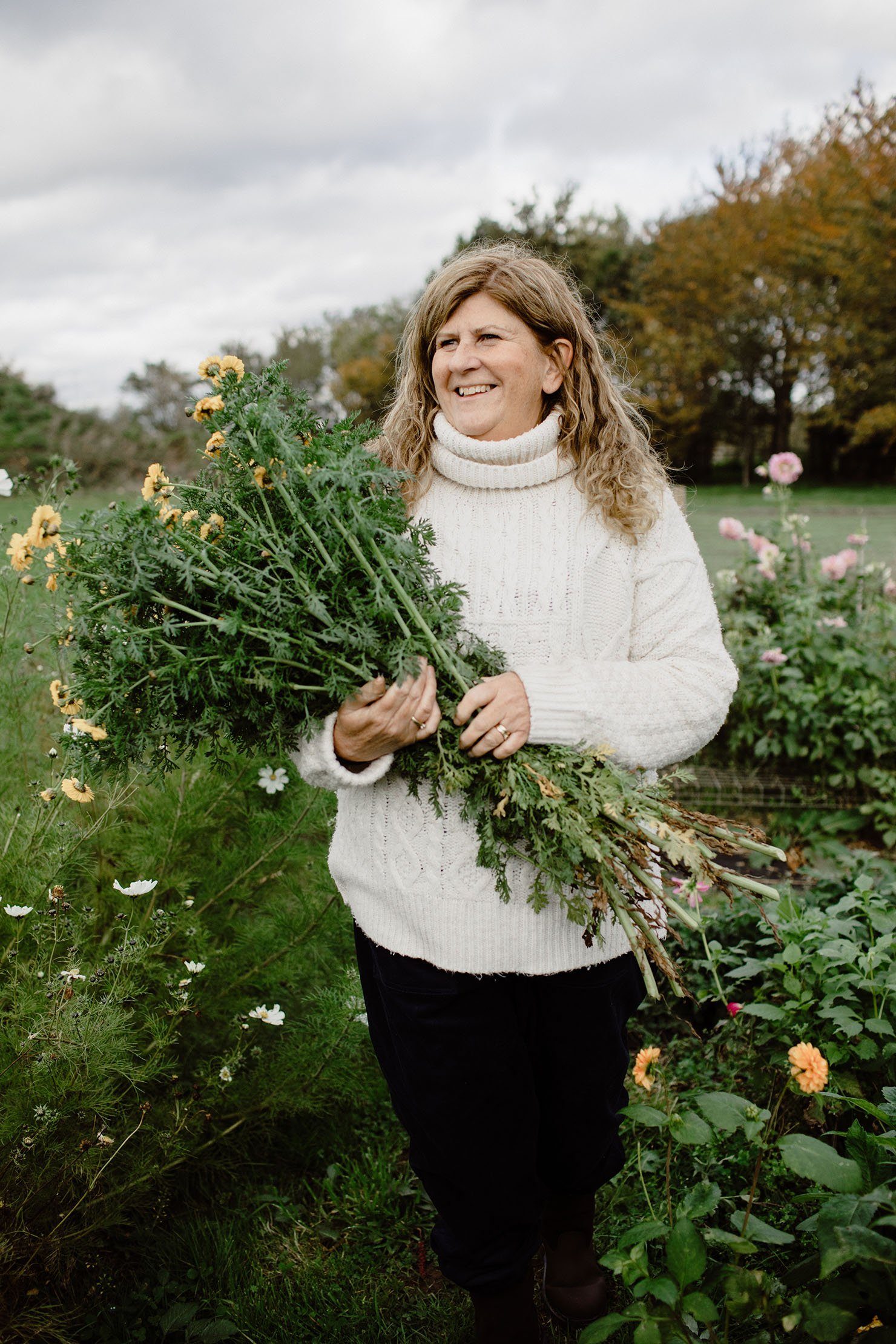

Flower Farmer Marketing: The Three Things That Actually Move the Needle
January is the month when I see every flower farmer on Instagram posting about marketing plans, content calendars, and big goals for the season ahead. Most of it is noise. I have run my farm for twenty years, and I have watched hundreds of growers through The Cut Flower Podcast and my courses. The ones who succeed do not have the biggest follower counts or the fanciest websites. They do three things consistently, and they do them well.
This is not about doing more. It is about doing less, better.
The first thing: show up locally, in person, repeatedly
Flower farm marketing is not won online. It is won at farmers' markets, village halls, local florists, and wedding fairs within a 15-mile radius of your farm. People buy flowers from people they have met, especially if those flowers are grown five minutes down the road.
I know this sounds old-fashioned. It is also the single fastest route to actual paying customers.
When I started, I took buckets to the local farmers' market every Saturday for two years. I spoke to every single person who stopped. I learned their names, their favourite colours, their daughter's wedding date. Half my wedding clients today are people I met at that market, or people those customers recommended.
Local marketing for flowers works because it solves the biggest problem we face as growers: trust. A bride does not trust a stranger on Instagram to deliver her wedding flowers. She trusts the woman she met three times at the market, whose dahlias she bought for her kitchen table, who remembered her name.
If you are not doing at least one regular in-person event, you are leaving money on the table. Farmers' markets, craft fairs, church fetes, local business networking groups. Pick one, commit to six months, and show up every single time.
The second thing: build a simple, searchable website
You do not need a fancy website. You need a website that people can find when they Google "wedding flowers [your town]" or "local flower farm near me".
This is flower farm SEO, and it is simpler than most growers think. You need five pages: home, about, services (or what you sell), contact, and a blog. Write those pages in plain English. Use the words your customers use, not the Latin names. Say where you are, what you grow, and what you offer.
Then write a blog post every month or two about something relevant to your area. "Best flowers for a September wedding in Buckinghamshire." "How to choose seasonal flowers for a winter funeral." "Five British-grown flowers that last longer than supermarket blooms." These posts do two things: they get you found on Google, and they build trust before someone ever picks up the phone.
I am not a web designer. My site is basic. But it ranks well locally because I have written consistently about seasonal British flowers for years, and Google knows I am a real farm in a real place. That is all you need.
If you are just starting out and need the growing side sorted first, my Seed to Vase course covers everything from bed prep to harvest timings, and I include a simple marketing starter pack.
The third thing: use Instagram like a real person, not a brand
Flower farmer Instagram is full of beautiful feeds that do not sell flowers. Gorgeous shots, perfect captions, thousands of likes, no customers. I see it all the time.
Here is what works: posting like a human being who grows flowers for a living. Show the polytunnel at 7am. Show the buckets in the barn. Show your hands covered in compost. Talk about what you are sowing this week, what failed last year, why you love sweet peas even though they are a pain to grow.
People do not buy from perfect brands. They buy from real people doing real work. Your job is not to be aspirational. Your job is to be trustworthy, interesting, and local.
Post two or three times a week. Stories are better than feed posts for building relationships. Reply to every comment and message. Tag your location every single time so local people find you. Do not worry about reels unless you enjoy making them. Do not buy followers. Do not post every day if it makes you miserable.
Instagram is a tool, not a job. Use it to stay in touch with your market customers, share what is in season, and remind brides you exist. That is all.
What does not move the needle
I am going to save you some time. Here is what I see growers waste energy on, with very little return.
Paid ads on Facebook or Instagram. They work for big brands with big budgets. For a small farm selling locally, they are expensive and poorly targeted. Your money is better spent on a farmers' market pitch or a local wedding fair.
Perfect branding. A beautiful logo is nice. It does not sell flowers. A reputation for reliability, good quality, and fair prices sells flowers. Get the work right first, brand second.
Daily content. Nobody needs to see a flower farm post every single day. Your customers are busy. Two or three useful, interesting posts a week will do more than seven average ones.
Viral moments. A reel with 50,000 views is lovely for the ego. It rarely brings customers, because most of those viewers are in America or Australia. You need 50 people in your town to know your name, not 50,000 strangers.
The boring truth about marketing a flower farm
Marketing is not magic. It is repetition. Show up at the market every week. Post something useful every few days. Write a blog post once a month. Reply to every inquiry within 24 hours. Do this for a year, then two, then five.
The growers who succeed are not the most talented or the most photogenic. They are the ones who show up consistently, build relationships slowly, and do not chase every shiny trend that appears on Instagram.
You do not need to be everywhere. You need to be somewhere, reliably, for long enough that people remember you when they need flowers.
If you want the step-by-step business plan for all of this, including pricing, customer management, wedding workflows, and marketing templates that actually work, Build a Blooming Business is the course I wish I had had when I started. It is the single most-requested resource I run, and it will save you years of trial and error.
Start small. Start local. Start now.
Frequently asked
What is the most effective marketing for a flower farm?+
Local, in-person marketing is the most effective strategy for flower farms. Regular attendance at farmers' markets, wedding fairs, and community events builds trust and brings consistent customers. People buy flowers from growers they have met and trust, especially when the flowers are locally grown.
Do I need a professional website to market my flower farm?+
You need a simple, searchable website, not a fancy one. Five basic pages (home, about, services, contact, blog) written in plain English with local keywords will get you found on Google. Focus on clear information about what you grow, where you are, and what you offer.
How often should I post on Instagram as a flower farmer?+
Two to three times per week is enough. Focus on real, human content showing daily farm life rather than perfect branding. Stories work better than feed posts for building relationships. Always tag your location so local customers can find you, and reply to every message promptly.
Should I pay for Facebook or Instagram ads for my flower farm?+
No. Paid social ads work for large brands with big budgets but are expensive and poorly targeted for small local farms. Your money is better spent on a farmers' market pitch or local wedding fair where you meet customers face-to-face and build real relationships.
Keep reading