business · February · 5 min read
From Grower to Wedding Florist: The Transition I Made and Would Make Again
I started as a grower selling buckets at the gate. Adding weddings transformed my floristry business, and I would make the same choice tomorrow.
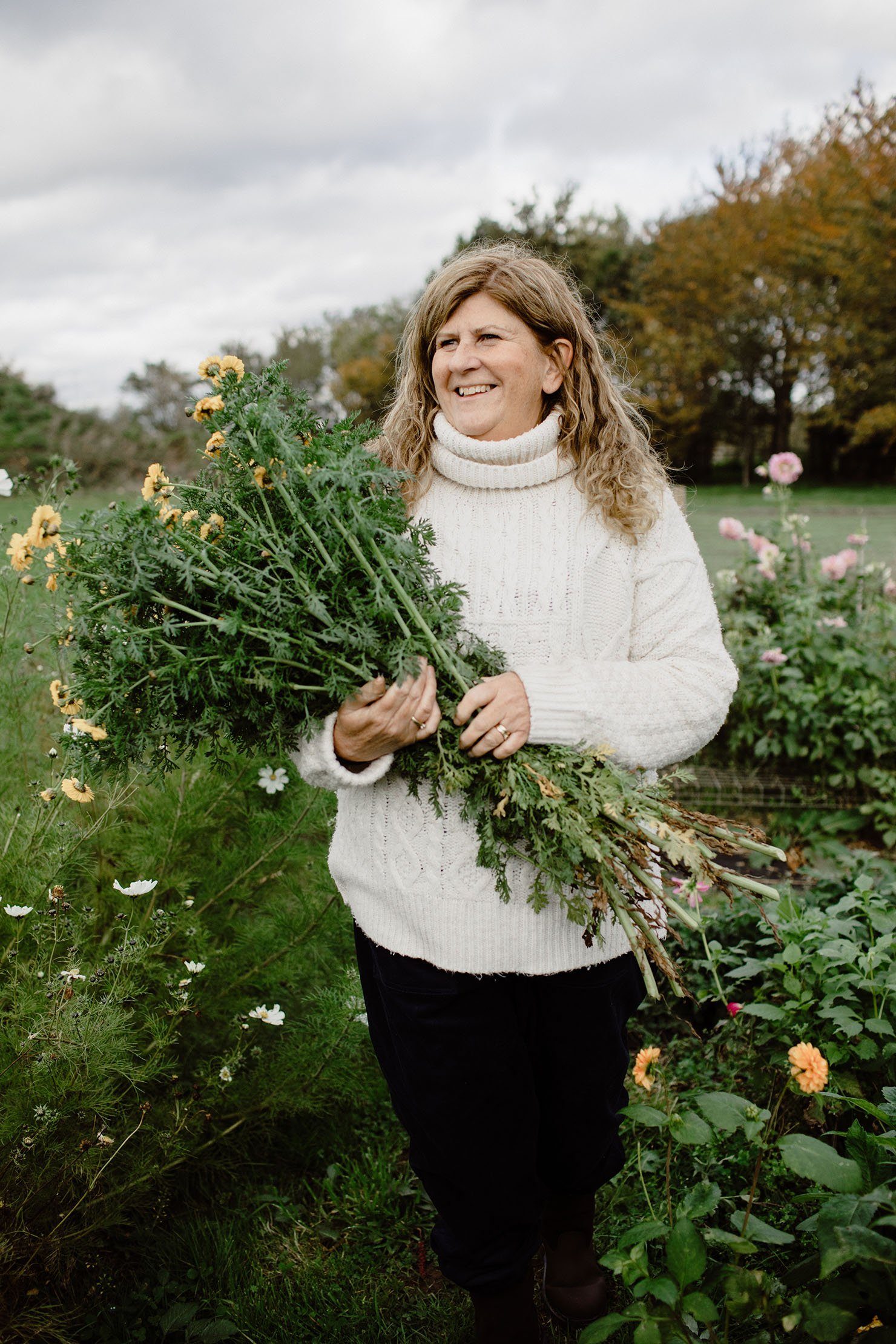

I started as a grower selling buckets at the gate. Adding weddings transformed my floristry business, and I would make the same choice tomorrow.
When I first began growing flowers commercially, weddings were not on my radar. I grew buckets for florists, sold posies at farmers' markets, ran a small subscription scheme. The income was steady, the hours were manageable, and I could focus entirely on what I loved: growing beautiful stems.
But around year three, a bride asked if I could do her wedding flowers. I said yes without really thinking it through. That single wedding changed the trajectory of my business, my income, and my understanding of what a wedding florist business could look like when you grow everything yourself.
Why I Decided to Become a Wedding Florist
The numbers were compelling. A bucket of dahlias might sell for £25 wholesale, £35 retail. The same bucket, arranged into bridal work, centrepieces and buttonholes, could bring in £200 or more. Weddings allowed me to capture the full value of what I grew, rather than handing margin to someone else.
But it was not just about money. Weddings gave me creative freedom I had never experienced selling by the stem. I could design with the season, use everything from the farm (foliage, grasses, unexpected blooms), and work directly with couples who genuinely cared about British flowers and supporting small growers.
The logistics were daunting at first. I had no floristry qualifications, no formal training, just years of growing cut flowers and a decent eye. I started small: a friend's wedding, then a cousin, then a proper paying client who found me online. Each one taught me something about timing, quantities, conditioning, and the sheer physical stamina required.
What I Wish I Had Known About Running a Floristry Business UK
Pricing nearly broke me in the first year. I massively undercharged because I did not account for my time, the cost of growing (even on your own land, there are costs), or the value of bespoke seasonal work. I learned to price properly by tracking every hour, every bunch, every trip to the wholesaler for ribbon or foam alternatives.
Wedding flowers pricing is not just cost-plus. It is about the value you deliver: local, seasonal, sustainable, unusual varieties the big florists cannot get. I now price confidently, and brides who want what I offer pay happily. Those who baulk were never my customers anyway.
Another lesson: weddings are a different beast to subscription posies. The timelines are rigid, the stakes are high, and you cannot afford to have a crop failure the week before a big wedding. I learned to grow three times what I thought I needed, to have backup varieties, and to know which wholesalers I trusted for emergency foliage or filler if the weather turned.
I also learned that becoming a wedding florist means becoming a project manager, a counsellor, a logistics coordinator, and occasionally a magician. You are not just arranging flowers. You are managing expectations, timelines, delivery crews (even if that crew is just you and a friend), and the emotional weight of someone's most important day.
How Growing My Own Flowers Changed My Approach
Most florists buy in. I grow in. That single difference defines everything about my wedding florist business.
I can offer things nobody else can: varieties that do not travel, colours that are not commercially viable, stems that are four hours out of the ground instead of four days out of a Dutch auction. I can say, hand on heart, that everything was grown without pesticides, picked at peak, and handled gently from seed to vase.
But it also means I am at the mercy of the season. I cannot do a September wedding in March. I cannot promise roses in January, not real ones grown outside in Buckinghamshire. This has forced me to educate clients, to sell the story of seasonality, and to position myself as something entirely different from the florist down the road with year-round imports.
Most brides love it once they understand. Some do not, and that is fine. I am not for everyone.
The Business Model That Works for Me
I now do around twelve weddings a year, May through September. That is my sweet spot. Enough to make weddings a significant income stream, not so many that I am burnt out or compromising the quality of what I grow.
I charge a minimum that makes each wedding worth my time, and I am selective about which enquiries I take on. I have a dedicated weddings page that explains my ethos, shows real examples, and filters out anyone looking for cheap or off-season work.
I also talk about this on The Cut Flower Podcast, where I have shared interviews with other grower-florists who have made similar transitions. The business models vary wildly, but the common thread is this: weddings can be wildly profitable if you price correctly, grow strategically, and do not try to be everything to everyone.
Would I Do It Again?
Absolutely. In a heartbeat.
Adding weddings to my floristry business UK operation gave me financial stability, creative satisfaction, and a reason to grow exciting, unusual varieties I would never have justified otherwise. It also taught me more about business, pricing, and customer service than any other part of my work.
But I would not do it the way I did the first time. I would invest in proper business training earlier. I would price confidently from day one. I would set boundaries around how many weddings I take, which months I work, and what kinds of clients I serve. I would protect my energy and my love of the work, because burnout is real and weddings can consume you if you let them.
If you are a grower thinking about becoming a wedding florist, start small. Do a few weddings for people you trust. Track everything: your time, your costs, your process. Learn what you love, what drains you, and what you are truly good at. Not every grower should do weddings, and that is absolutely fine. But if the idea excites you, if you love the creative challenge and the business potential, it could be the best decision you make.
For the business side, pricing, client management, and building a floristry business that lasts and pays you properly, my Build a Blooming Business course covers everything I learned the hard way. It is the single most practical resource I offer for growers who want to turn their patch into a proper, profitable business, weddings or otherwise.
Frequently asked
Do I need formal training to start a wedding florist business?+
No. I had no floristry qualifications when I started. Years of growing and handling flowers gave me the skills I needed. Formal training can help, but it is not essential if you have a strong foundation in seasonal flowers and design.
How do I price wedding flowers as a grower-florist?+
Track every cost: your time, materials, growing expenses, delivery, and overheads. Price based on value, not just cost-plus. Bespoke seasonal work from a local grower commands premium pricing. Do not undercharge because you grew it yourself.
How many weddings should I do in my first year?+
Start with three to five. Enough to learn the process, refine your systems, and understand your costs, but not so many you burn out. Scale up only when you are confident and profitable.
Can I run a wedding florist business if I only grow seasonal flowers?+
Absolutely. Seasonality is your unique selling point. Educate clients on the beauty and sustainability of seasonal British flowers. The right brides will value it and pay accordingly.
Keep reading