business · February · 7 min read
Launching a Flower Subscription: Pricing, Logistics and Keeping Customers Coming Back
Subscriptions bring reliable income and loyal customers, but the logistics and pricing can trip you up. Here is how I plan mine.
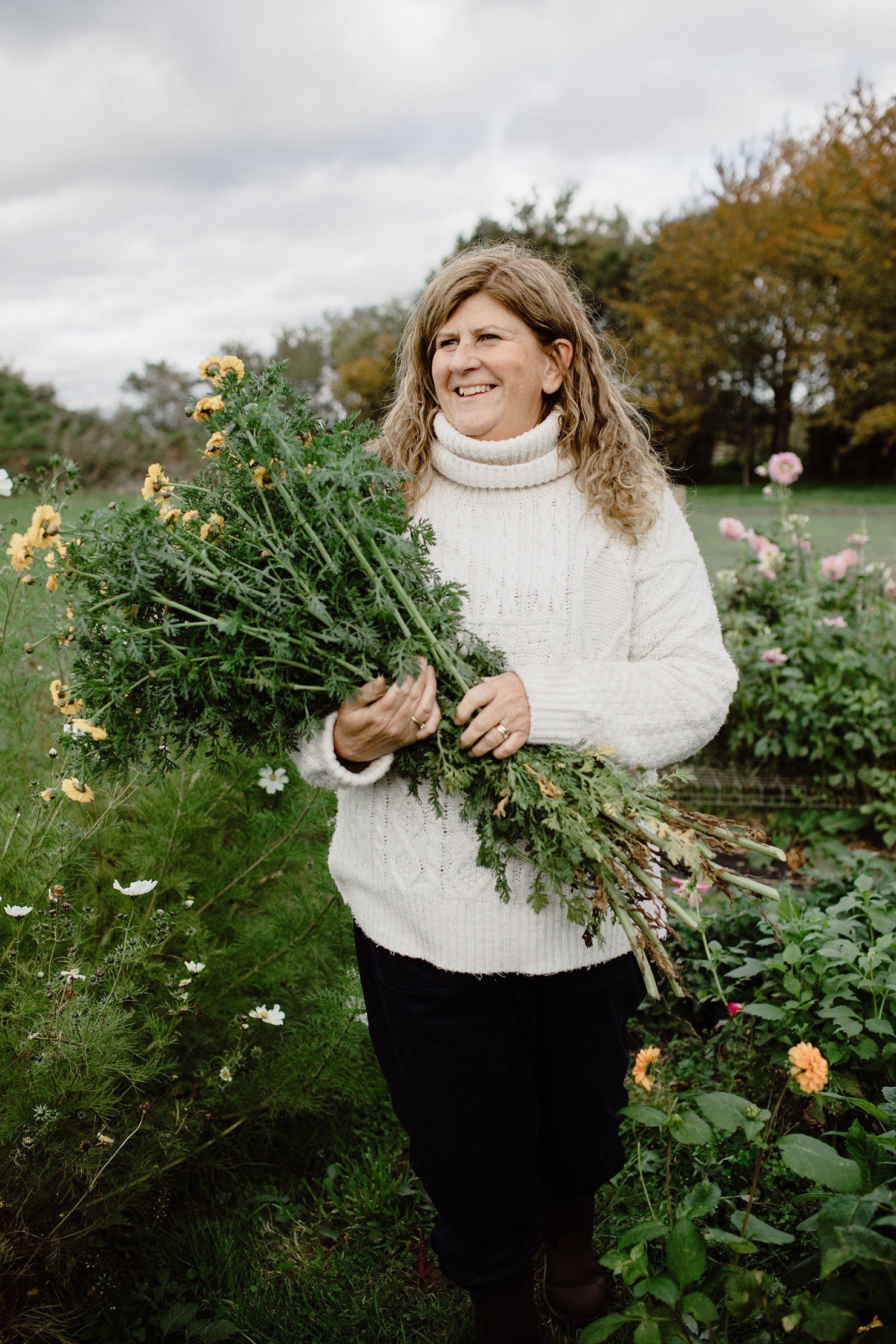

I launched my first flower subscription five years ago, thinking it would be straightforward. I was wrong. The idea is simple: customers pay monthly, you deliver weekly or fortnightly, everyone is happy. The reality involves logistics, cashflow planning, customer communication, and a surprising amount of admin.
But when you get it right, a flower subscription business brings you the holy grail of flower farming: predictable revenue, loyal customers, and a rhythm to your growing and harvesting. Here is what I have learned.
Why subscriptions work for flower farms
Flower subscriptions UK have grown steadily over the past decade. Customers love the convenience, the surprise, the feeling of treating themselves without the guilt of a one-off splurge. For you, subscriptions smooth your cashflow. Instead of feast-or-famine wedding weekends, you have recurring flower revenue that pays the bills in quiet months.
Subscriptions also build relationships. A customer who receives your flowers every fortnight for six months becomes an advocate. They tag you on Instagram, they refer friends, they book you for their daughter's wedding. That loyalty is worth far more than the subscription fee alone.
The catch is that subscriptions demand consistency. You cannot skip a week because the weather was rubbish or you fancy a holiday. You need a plan, backup varieties, and systems that work even when you are tired.
Pricing your flower box subscription
Pricing is where most people stumble. You must cover your costs, pay yourself properly, and leave a margin for the weeks when everything goes wrong.
Start with your cost of goods. For a weekly posy subscription, I calculate the cost of flowers (including wastage), packaging (box, wrap, card), delivery or collection logistics, and time. My rule is that the flowers themselves should be no more than 25% of the retail price. Packaging and delivery are another 15 to 20%. Labour (growing, harvesting, conditioning, arranging, packing, admin) is the rest.
If your costs per box come to £12 and you want to pay yourself decently, charge £25 to £30 minimum. I know that sounds high, but subscription customers are not bargain hunters. They want quality, reliability and something special. Do not undervalue your work.
Offer tiers if it helps. I run a small posy at £28 and a generous jug-sized bunch at £45. Both are fortnightly. Weekly subscriptions sound appealing but they double your workload. Think hard before committing.
Consider seasonal pricing too. I charge slightly more for December and Valentine's week, because my costs and effort spike. Customers understand this if you explain it upfront.
Logistics: delivery, collection, or post?
Delivery logistics are the trickiest part of any flower subscription business. You have three main options: local delivery, customer collection, or postal service.
Local delivery works if you have enough subscribers in a tight area. I deliver to around 30 customers within a 5-mile radius every Thursday morning. It takes me two hours, costs £15 in fuel, and I see familiar faces. The key is clustering: if you have one subscriber in a village, try to find three more before adding that village to your route. Driving 20 minutes for one drop-off kills your margin and your day.
Customer collection is brilliant if you can make it convenient. I offer collection from my farm gate between 4pm and 6pm on Thursdays. Around half my subscribers collect. It saves me time, builds community, and people love seeing the polytunnel and asking questions. Some growers partner with a local café or shop as a collection point, which works beautifully if the owner is cooperative.
Posting flowers is possible, but fiddly. You need sturdy boxes, excellent conditioning, and a next-day courier service you trust. I tried it for six months and gave up. The packaging cost alone was £6 per box, and I had a 10% damage rate even with careful packing. If you are rural or your customers are scattered, it might be worth it, but go in with your eyes open. The Cut Flower Podcast has an episode on postal logistics if you want more detail.
What to include: seasonality and variety
Subscribers expect variety, but they also expect you to be honest about seasons. January boxes will not look like June boxes. I send an email in December explaining that winter subscriptions are shorter-stemmed, more foliage-heavy, and include dried and evergreen elements. Most customers appreciate the honesty.
Plan your growing specifically for subscriptions. I grow extra of my reliable, long-lasting varieties: cosmos, dahlias, rudbeckia, ammi, orlaya, eucalyptus. The best flowers to grow for cutting are the ones that hold up for a week in a vase and look good in mixed bunches.
In winter, I rely heavily on what I can buy in from ethical UK wholesalers (British tulips, anemones, narcissi) alongside my own evergreens, hellebores, and dried material. Budget for this. I spend around £5 per box on bought-in stems from January to March.
Variety fatigue is real. I rotate my palette every three weeks so subscribers do not get bored. I keep notes in a battered A4 diary: what went in each box, what sold out, what customers commented on.
Retention: keeping subscribers happy
Acquiring a subscriber costs time and marketing money. Keeping them is cheaper and more profitable. My average subscriber stays for 11 months. Some have been with me for four years.
Communication is everything. I send a short email every Wednesday evening with a photo of this week's box and a sentence or two about what is in season. It takes me ten minutes and it halves the number of questions I get.
I also let people pause or skip easily. Life happens. If someone can pause for a month without hassle, they will come back. If they have to email three times and feel guilty, they will cancel. I use a simple online form for pauses and skips, linked in every email.
Quality consistency matters more than wow factor. A subscriber would rather have a reliably lovely box every time than three stunning boxes and one disappointing one. I have learned to be conservative: if a stem looks borderline, I do not include it.
Surprise bonuses help too. I add a free packet of seeds in April, a handwritten note at Christmas, an extra stem on their birthday if I remember (I often forget, but the ones who get it love it). Small gestures build loyalty.
Admin and systems
Do not underestimate the admin. You need a system for payments (I use Stripe for automatic monthly billing), a spreadsheet for delivery routes, and a calendar for pauses and skips. I spent a whole weekend in February setting up a proper system and it has saved me hours every month since.
Automate what you can. Payment reminders, welcome emails, pause confirmations. I use a basic email marketing tool with a few automated sequences. It is not fancy, but it works.
Have clear terms and conditions. When do payments come out? How much notice for cancellations? What happens if you cannot deliver due to weather or illness? I learned this the hard way after a snowstorm in March left me unable to deliver and three customers demanding refunds. Now my Ts and Cs are on my website and everyone agrees to them when they sign up.
Is a subscription right for your farm?
Subscriptions are not for everyone. If you are just starting out, focus on growing well and selling at markets or to florists first. Build your confidence and your stock of reliable varieties. Starting to grow flowers is enough of a learning curve without adding complex logistics.
But if you have a year or two of growing under your belt, good soil, and a local customer base, subscriptions can transform your business. They gave me the financial security to invest in a second polytunnel, hire seasonal help, and sleep better at night knowing that £1,200 would hit my account on the first of the month.
Start small. Ten subscribers is manageable. Fifty is a business. A hundred is a full-time job. I currently cap mine at forty because that is what I can grow, pick, and deliver without losing my mind or my love for the work.
February is the perfect time to plan
If you are thinking about launching a subscription for the coming season, February is your planning month. Work out your pricing, map your delivery area, email your existing customers to gauge interest, and order extra seed of your best repeat-flowering varieties. I use February to set up my systems, write my welcome email sequence, and get my website subscription page ready.
By March, you can launch with early spring flowers (tulips, narcissi, hellebores, blossom) and build momentum into the summer peak.
For the business foundations, pricing models, customer communication templates, and the confidence to charge what you are worth, my Build a Blooming Business course covers all of this in detail. It is the single most-requested training I offer, and it includes real-world spreadsheets, email scripts, and a community of growers who have launched and grown successful subscriptions. If you are serious about making this work, it is the best investment you will make this year.
Frequently asked
How much should I charge for a flower subscription in the UK?+
Aim for £25 to £30 minimum for a small posy, £40 to £50 for a larger bunch. Your flower cost should be no more than 25% of the retail price, with packaging and delivery another 15 to 20%. Do not underprice. Subscription customers value quality and reliability over bargains.
How do I deliver flowers to subscription customers?+
You have three options: local delivery within a tight radius, customer collection from your farm or a partner location, or postal courier. Local delivery works best if you can cluster customers. Collection saves time and builds community. Posting is possible but requires sturdy packaging and adds significant cost.
What flowers should I grow for a subscription business?+
Focus on reliable, long-lasting varieties that flower repeatedly: cosmos, dahlias, rudbeckia, ammi, orlaya, zinnias, and eucalyptus. Plan for seasonal gaps by growing evergreens and drying material, or budget to buy in British-grown stems from wholesalers in winter.
How many subscribers do I need to make a flower subscription profitable?+
Ten subscribers at £30 each brings £300 monthly revenue, enough to cover costs and pay yourself modestly. Forty subscribers is a solid part-time income. A hundred is full-time work. Start small and scale as your systems and growing capacity improve.