growing · February · 2 min read
How to Start Growing Flowers — An Absolute Beginner's Guide
From 'I've never sown a seed' to a productive cutting patch — Roz's start-here guide for absolute beginners.
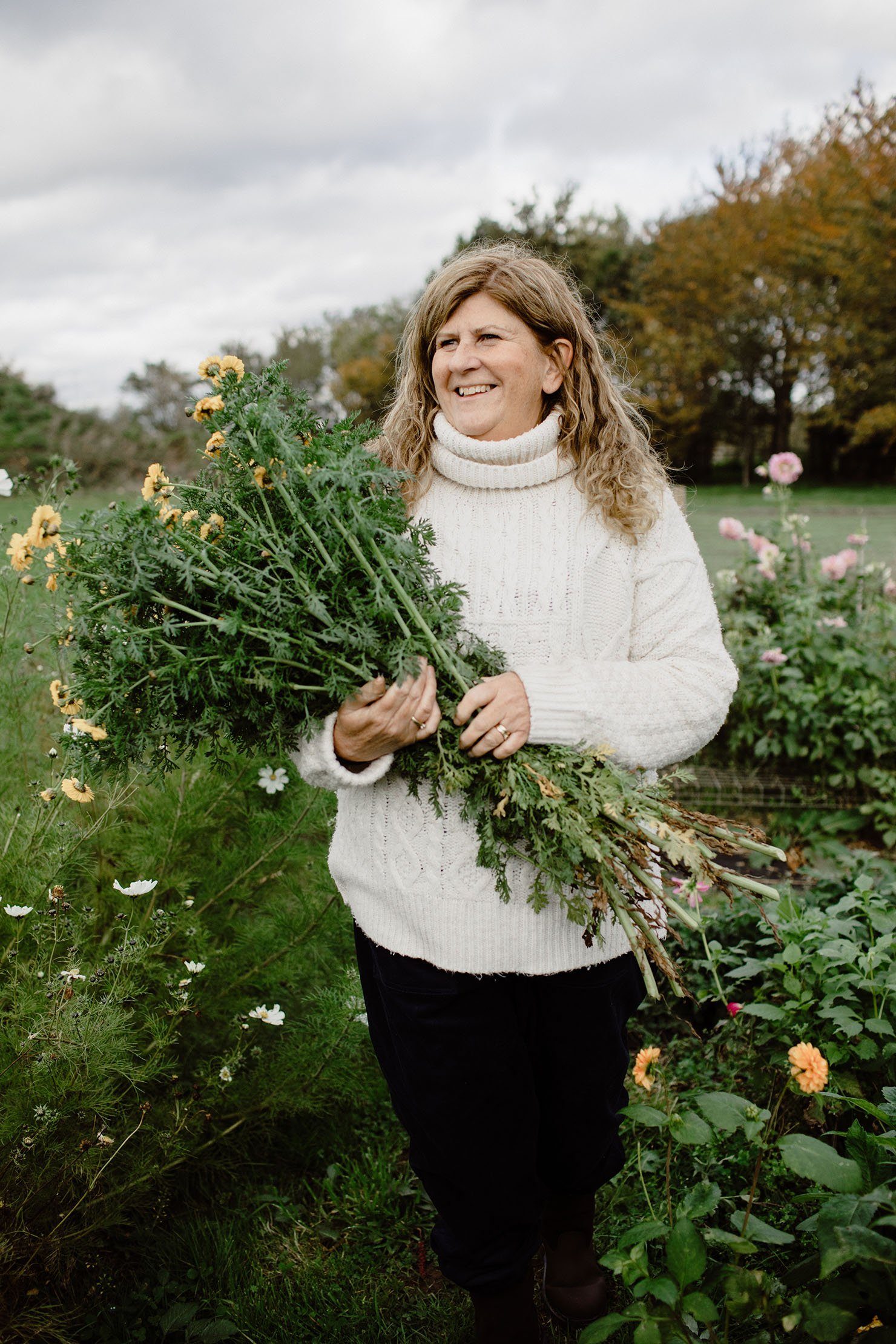

I wish I had a pound for every time I've been asked how to start growing flowers. The truth: you don't need much land, money or experience. You need a bed, some seeds, and the patience to try.
Here's the start-here guide I give every student on our Seed to Vase course.
Size doesn't matter
You can grow a huge amount of flowers on a small patch. I started with 9m² in my back garden. Many of my students grow successfully on 3m². A long thin bed around 1m wide is easier than a square — you can reach in from both sides without trampling the soil.
Create a bed (I'd recommend no-dig)
Either slot flowers into an existing garden border, or create a dedicated bed. No-dig beds are my preferred option — quickest, kindest to your back, and they build fantastic soil structure over time.
Grow what you love
We all have flowers we adore and flowers we don't. Don't grow things you don't love "because they're easy". If you hate yellow, don't grow sunflowers. If you can't stand fuss, skip chrysanthemums. Grow what makes you smile when you walk past the bed.
Need inspiration? My top ten cut flowers list covers the reliable winners.
Annuals vs perennials
Annuals — plants that grow and flower in one year only (cosmos, zinnias, cornflowers). Cheap, easy from seed, flower 10-12 weeks after sowing. The fastest route to a full vase.
Perennials — return year after year (peonies, roses, achillea). More expensive upfront, slower to establish, but unbeatable once settled.
My honest recommendation for year one: 80% annuals, 20% perennials. You want quick wins to fall in love with the process.
Soil matters more than you think
Flowers are hungry plants. Before you plant anything, improve your soil with homemade compost or well-rotted manure — a good 5-8cm spread over the bed. The no-dig method does this naturally.
Start with these easy wins
If you do nothing else, plant these five — all easy, all productive, all beautiful: - Cosmos (one of the easiest annuals in the world) - Sweet peas (for scent) - Cornflowers (for colour and pollinators) - Dahlias (for a huge harvest from July to first frost) - Zinnias (for heat-loving, cut-and-come-again joy)
Expect mistakes
Some things will flop. Slugs will eat your favourite seedling. A week of rain will ruin your ranunculus. A plant will die for no reason you can diagnose. That's gardening. The only way to learn is to grow.
If you'd like structured help, my Seed to Vase course walks you through a whole growing year, live sessions and a private community of growers. Or come along to a workshop on the farm in Buckinghamshire.