growing · June · 8 min read
Slugs, Aphids and the Rest: organic pest control in the cutting patch
No chemicals, no panic. How I keep slugs, aphids and other pests in check on my cutting patch with simple organic methods that actually work.
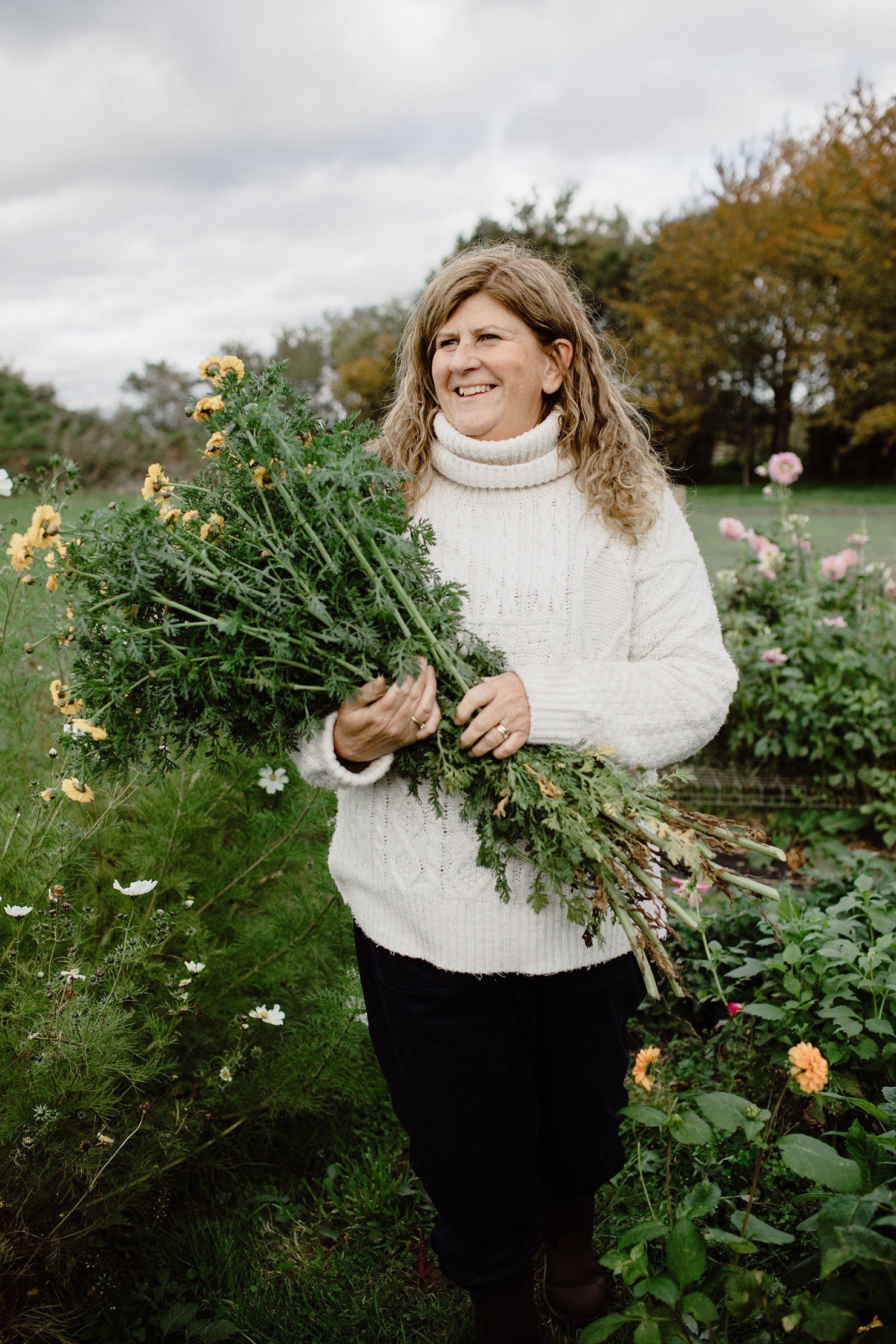

I spent my first season as a cut flower grower convinced that every aphid was a personal attack and every slug a declaration of war. I would stay up late Googling organic sprays, ordering neem oil in bulk, and hand-picking caterpillars by torchlight. Then I realised something liberating: a bit of pest damage does not ruin a bunch, and some crops will always attract trouble no matter what you do. The trick is knowing where to focus your effort, what you can tolerate, and when to simply grow more stems than you need. Here is what actually works on my farm, without reaching for chemicals or losing your mind.
The truth about pests in a cutting garden
You will have pests. Accept it now, make peace with it, and you will sleep better. Every cutting patch, organic or not, will host aphids, slugs, caterpillars and thrips at some point in the season. The question is not whether they will arrive but how much damage you are willing to tolerate and where you draw the line.
I focus my effort on the most valuable crops: dahlias, sweet peas, ranunculus, anything that takes months to reach harvest or costs real money to replace. A few holes in a cosmos leaf? I barely notice. A slug chomping through a tray of freshly pricked-out lisianthus seedlings? That gets my full attention. You cannot protect everything equally, so be strategic.
Some damage is perfectly tolerable in a vase. A chewed leaf low down on a stem gets stripped off anyway. A couple of aphids on a bud can be rinsed away. I have sold hundreds of bunches with imperfect foliage, and not one customer has complained. The flowers are the stars; the leaves are supporting cast.
Slugs: my number one nemesis
Slugs are the single biggest pest threat on my farm, especially in spring when seedlings are tiny and tender. I have tried every organic method going, and I can tell you now that there is no magic bullet. You need multiple tactics, repeated effort, and a willingness to go out after dark with a head torch.
Wool pellets and sharp grit around seedlings create a physical barrier that slugs hate crossing. I sprinkle a thick ring around each module tray when I plant out, and I top it up after heavy rain. It is not foolproof, but it buys you a few crucial weeks while the plants toughen up. Crushed eggshells work too, though you need a lot of them.
Beer traps work brilliantly but need daily emptying, which is disgusting and time-consuming. I sink yoghurt pots into the ground, fill them halfway with cheap lager, and collect the drowned slugs every morning. On a bad week I can fill a dozen traps overnight. If you can stomach the routine, beer traps make a real dent in the population.
Nemaslug nematodes are my secret weapon. I water them in twice a year, once in spring and once in autumn, when the soil temperature is above 5°C. They are microscopic parasites that infect and kill slugs underground, and they are completely harmless to everything else. One application gives you six weeks of protection. It is not cheap, but for high-value crops like dahlias and lisianthus, it is worth every penny. I cover this in detail in The Cut Flower Podcast episode on spring tasks.
Aphids on dahlias, sweet peas and everything else
Aphids love soft new growth, and they will find it no matter where you hide your dahlias. Sweet peas, calendula, and broad beans are also aphid magnets. The good news is that aphids are slow-moving and easy to control if you catch them early. The bad news is that early means daily checks, especially from May through July.
Squash aphids by hand if numbers are low. I walk the dahlia rows every morning with a cup of soapy water, pinching off infested shoot tips and dropping them in the cup. It takes ten minutes and saves me hours of spraying later. Wear gloves if you are squeamish, but honestly, you get used to it fast.
For heavy infestations, spray hard with water or a soft soap solution. I use a hose with a jet nozzle to blast aphids off the undersides of leaves, or I mix a tablespoon of soft soap (not washing-up liquid, which can damage plants) into a litre of water and spray every three days until they are gone. Soft soap works by suffocating the aphids, so you need good coverage. It is labour-intensive but effective, and it does not harm ladybirds or hoverflies.
Caterpillars, earwigs and other chewers
Caterpillars are harder to spot than aphids because they hide on the undersides of leaves and match the plant colour almost perfectly. Nasturtiums, salvias, and zinnias are favourite targets. I check undersides every few days, especially in July and August when cabbage white butterflies are everywhere.
Pick caterpillars off by hand and squash them, or use a Bacillus thuringiensis spray if the infestation is heavy. BT is a naturally occurring bacteria that kills caterpillars but nothing else, and it breaks down in sunlight within a few days. I spray in the evening so it has time to work overnight. It is approved for organic growing and completely safe around bees and beneficial insects.
Earwigs hide in dahlia petals and can ruin a stem overnight. They chew ragged holes in the flowers, especially the pale varieties, and they are almost impossible to exclude. I shake every dahlia stem hard before cutting, holding it over a bucket to catch the earwigs as they fall out. It is the only method that works, short of cutting every flower at bud stage.
Thrips and the invisible damage
Thrips are tiny, fast-moving insects that leave silver streaks and brown spots on petals. They are worst in hot, dry weather, and they are nearly impossible to control organically once they are established. I see them every summer on gladioli, roses, and dahlias, and I have learned to manage expectations rather than wage a losing battle.
Hard to control organically, so focus on keeping plants well watered and stress-free. Thrips thrive when plants are drought-stressed, so consistent watering and mulching help reduce numbers. Some growers use sticky blue traps to monitor populations, but in my experience, by the time you see thrips on the traps, the damage is already done.
Cut flowers at bud stage to avoid the worst damage. If I know thrips are active, I cut gladioli and roses tighter than usual, before the petals fully open. The flowers still develop in the vase, and the thrips have less time to multiply and feed. It is not perfect, but it is better than losing whole stems to scarring. I go into more depth on timing your cuts in my Seed to Vase online course.
Prevention beats cure every single time
Healthy soil grows strong plants that shrug off pests. This is not hippy nonsense; it is basic plant physiology. Plants grown in rich, well-structured soil produce thicker cell walls, more defensive compounds, and faster growth rates. Pests still arrive, but the damage is less severe and the plants recover faster. I use a no-dig system to build soil health year on year, and the difference in pest pressure is noticeable.
Crop rotation, companion planting, and good spacing for airflow all help reduce pest build-up. I rotate my dahlias and sweet peas every year, I interplant calendula to attract aphid predators, and I space plants generously so air can circulate. Crowded plants in stagnant air are pest magnets. If you are tight on space, it is better to grow fewer plants well than to cram everything in and fight disease all season.
Encourage predators: hoverflies, ladybirds, ground beetles, and frogs. I leave patches of long grass for ground beetles, I grow poached egg plant and fennel for hoverflies, and I have a small pond that supports frogs and toads. These predators do more pest control work than I ever could, and they work for free, around the clock. If you want to grow organically, you need to create habitat for the creatures that will do the heavy lifting.
When to accept losses and move on
Do not waste time on crops that attract endless trouble. I stopped growing broad beans for cutting because the blackfly infestations were constant and exhausting. I reduced my sweet pea numbers because the aphid pressure in my polytunnel was unsustainable. Some crops are simply not worth the effort in certain locations, and that is fine. Focus on what grows well for you, not what you think you should be growing.
Some losses are part of growing, especially organically. I expect to lose a few trays of seedlings to slugs, a handful of dahlia stems to earwigs, and some gladioli to thrips every season. It is built into my production plan. If you go into the season expecting perfection, you will be disappointed and stressed. If you plan for losses, you will take them in your stride.
Grow extras, expect 10 to 20 percent wastage, and factor it into your planning. I sow an extra tray of everything, I plant more dahlias than I need, and I always have backup crops coming on. This is the single most important lesson I can share: abundance is your insurance policy. If you only grow exactly what you need, pests will break your heart. Grow more than you need, and you will always have enough flowers to cut.
Pest control is just one piece of the puzzle. If you want the full picture, soil to vase, my Seed to Vase online course covers everything I have learned in twenty years of growing cut flowers. You get step-by-step videos, written guides, seasonal task lists, and direct feedback from me in the members' community. It is the course I wish I had when I started, and it will save you years of expensive mistakes.
Frequently asked
What is the best organic slug control for cut flowers?+
I use a combination of wool pellets around seedlings, beer traps emptied daily, and Nemaslug nematodes watered in during spring and autumn when soil temperature is above 5 degrees C. Nematodes give the longest-lasting control but need repeat applications every six weeks during the growing season.
How do you control aphids on dahlias organically?+
I check plants every morning and squash aphids by hand when numbers are low. For heavier infestations, I spray hard with plain water or use a soft soap solution. The key is catching them early before populations explode, which happens fast in warm weather.
Are organic pest controls as effective as chemical sprays?+
They work differently. Organic methods need more observation, faster action, and acceptance of some damage. I lose more flowers than I would with chemicals, but I grow extras to account for that. The trade-off is healthier soil, safer conditions for me and wildlife, and flowers I am happy to sell.