growing · March · 2 min read
How to Make a No-Dig Flower Bed in Five Simple Steps
Why we've stopped digging our beds — and the Charles Dowding-inspired method we now use every year on the farm.
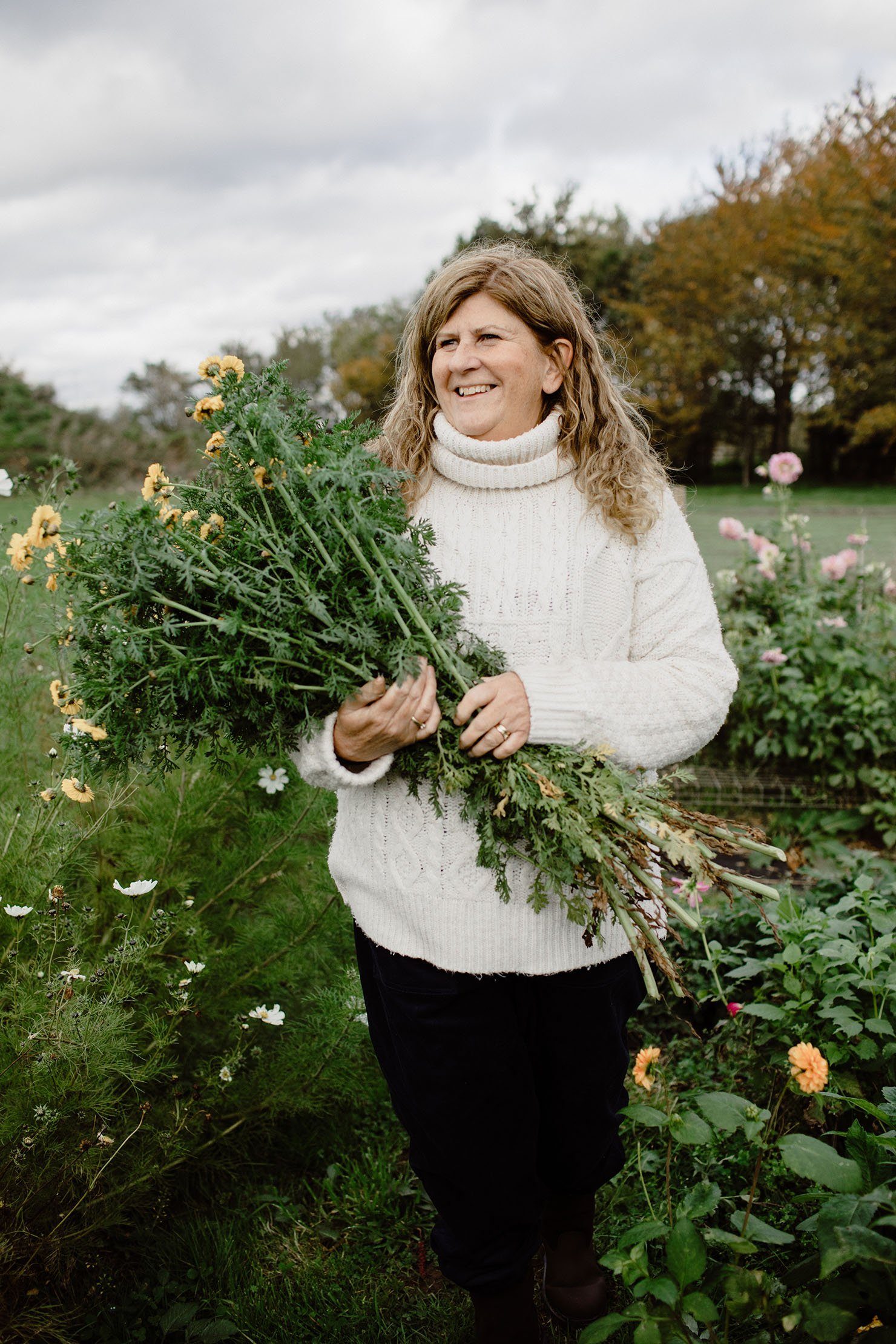

'To dig or not to dig' is the question on every gardener's lips. In our experience — after twenty years of growing flowers on our Buckinghamshire farm — a no-dig flower bed wins every time.
My back thanks me. My soil thanks me. And my time spent weeding has dropped by at least 60%.
"My no-dig method allows you to enjoy productive and easy growing. You don't have to spend your gardening time on endless weeding and dealing with slugs." — Charles Dowding, whose research popularised this method worldwide.
Why no-dig wins
- Quick — you can make a 3×1m bed in under a day
- No fancy skills required (ideal for beginners)
- Far less weeding once established (the cardboard + mulch smothers weeds)
- Much better for soil life — worms, mycorrhizal fungi, and microorganisms thrive when undisturbed
- Slug populations drop (fewer clod habitats)
- Recycles your cardboard (we get plenty from seed and bulb deliveries)
You'll need
- A flat patch of ground (can be over lawn or weeds)
- Flattened cardboard boxes — enough to cover the whole area with overlap
- A deep layer of organic matter — homemade compost, well-rotted manure, leaf mould, or a mix
The five steps
1. Clear the patch. Cut down tall weed foliage and pop it on the compost heap. Remove any litter and large debris. Don't dig anything up — just cut to ground level.
2. Lay the cardboard. Overlap every join by at least 10cm. No light should reach the weeds underneath. If you have persistent perennial weeds (bindweed, couch grass), use two layers.
3. Add 8–12cm of organic matter. We use a mix of homemade compost, fully rotted manure, and leaf mulch. The thicker the better — this is what your plants will grow in for the next 12 months.
4. Tread the patch firmly. This settles the layers and keeps wind from lifting the cardboard edges. Water it well if the mulch is dry.
5. Plant straight in. You can plant into the compost immediately — bulbs, plug plants, transplanted seedlings. For direct-sown seed, wait a few weeks until the surface has settled.
What happens next
Over the first season, the cardboard rots down. Worms pull the organic matter into the soil below. Weeds underneath die off without light. By year two, you have beautifully structured, friable, fertile soil — and very little weeding to do.
Every autumn we top up each bed with another 3-5cm of compost. That's the only maintenance no-dig needs.
A note on costs
Making compost yourself is free but takes time. If you're impatient (like me sometimes), buy bags of peat-free compost or a bulk delivery of well-rotted manure from a local farm. In Buckinghamshire we pay around £40 per cubic metre delivered — enough for several beds.
Ready for what to plant? Start with my top ten cut flowers or the absolute beginner's guide.
