growing · February · 7 min read
Growing Ranunculus: The Cut Flower That Changed My Spring Planning
Ranunculus transformed my spring stems from scarce to abundant. Here's how I pre-sprout, plant and grow these extraordinary corms in the UK.
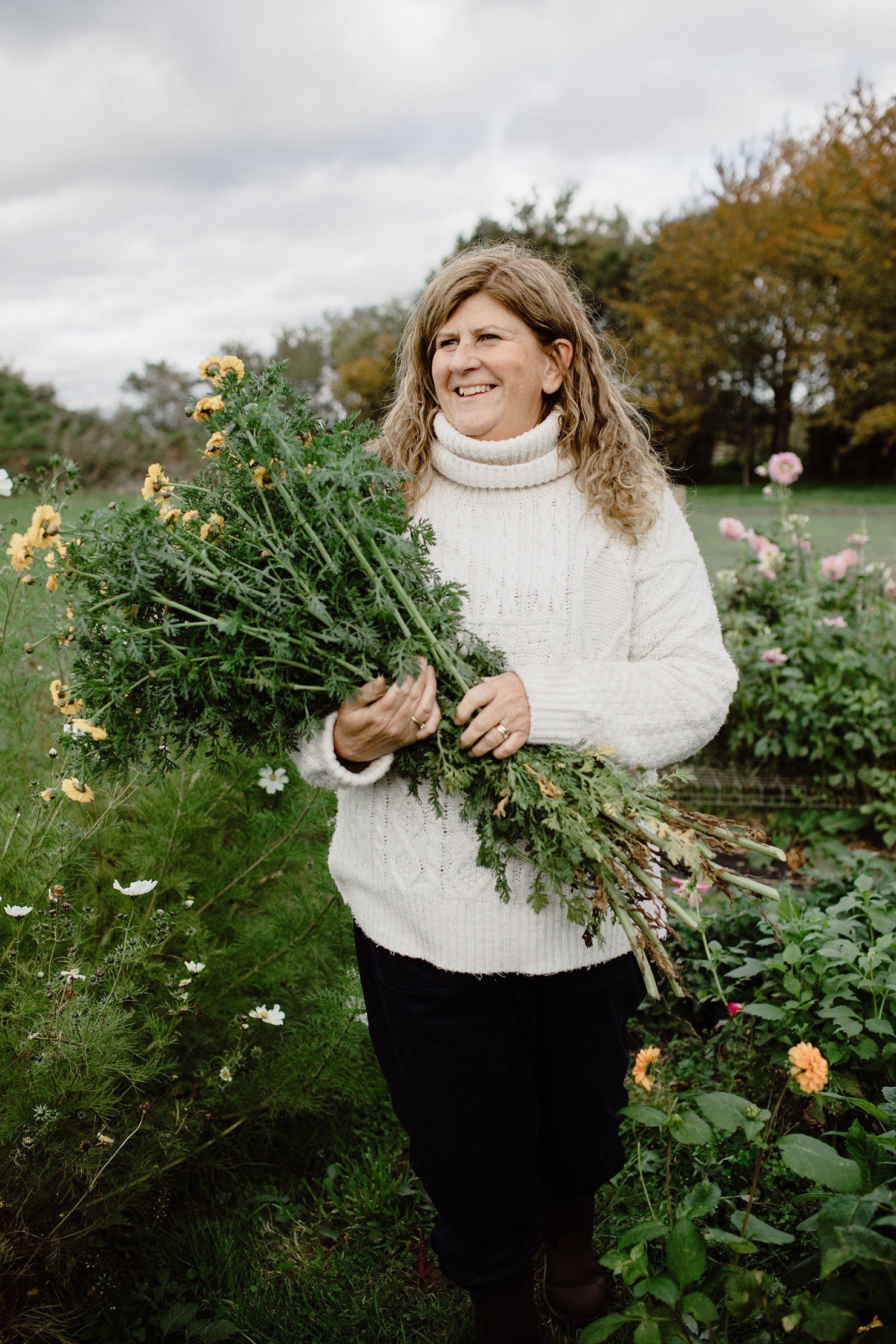

I planted my first ranunculus corms in November 2011, mostly because a guest on The Cut Flower Podcast had mentioned them and I had tunnel space I did not know what to do with. By March, when those first stems opened in shades of peach and butter yellow, I realised I had been leaving money on the bench for years. Ranunculus turned my spring tunnel from a placeholder for summer crops into a profitable, reliable season in its own right, and now I would not plan a cutting year without them.
Why ranunculus changed everything for my spring tunnel
Before I grew ranunculus seriously, my spring options were sparse. I had a few early tulips, some narcissus, and a handful of hardy annuals that never really hit their stride until late April. The colour range was limited, and I was always scrambling to fill orders in March and early April when demand started picking up.
Ranunculus changed that completely. The colour range is unmatched by any hardy annual I know: deep burgundy, coral, blush pink, cream, apricot, magenta, and everything in between. They bloom when almost nothing else does, and customers who have seen supermarket ranunculus are always stunned by the size and texture of locally grown stems.
They are also a reliable tunnel crop that pays back the corm investment many times over. I spend roughly £80 to £100 on corms each autumn, and by the time I have finished cutting in April, I have sold well over £800 worth of stems. That return on investment is hard to beat, and it is why ranunculus now anchor my spring planning alongside tulips and anemones.
Understanding ranunculus corms and UK timing
Ranunculus corms need a cool period to initiate flowers, which makes them perfect for UK autumn planting. If you try to plant them in spring or keep them too warm, they either refuse to flower or rot in the ground. The physiology is straightforward: cool soil triggers bud formation, and once the plant is established, it pushes out stems as temperatures rise in late winter and early spring.
In the UK, my timing is consistent: I pre-sprout corms in October, then plant them into beds or modules in November. This gives them time to root before the coldest part of winter, and they are ready to grow strongly as soon as light levels increase in February. If you are in a mild region, you can push planting into early December, but I would not go later than that.
Temperature is critical. Ranunculus corms rot if the soil is warmer than 15°C at planting, and they sulk if they experience sustained heat before they are established. This is why autumn planting works so well in the UK: our cool, damp autumns are exactly what ranunculus want, and our polytunnels give just enough protection from waterlogging and hard frost without creating the heat that kills them.
Pre-sprouting: the single step that doubles success
Pre-sprouting is the single step that doubled my ranunculus success rate, and I will not skip it now. The process rehydrates the corms gently and gives you a chance to spot duds before they go into valuable bed space. It also means the corms root faster once planted, which reduces the risk of rot and gives you earlier flowers.
I soak corms for 3 to 4 hours in cool water, no longer. If you soak them overnight, they can take on too much water and rot. I use a shallow tray or bucket, and I make sure the water is cool, not warm. After soaking, the corms plump up noticeably and feel firm rather than rock hard.
Then I plant them into modular trays, just covered with compost. I use a peat-free multipurpose compost, and I plant each corm with the claws pointing down (the claws are the little finger-like projections on one side of the corm). I keep the trays in a cool shed or unheated frame, and the corms sprout in 10 to 14 days. Once I see shoots, I know they are viable, and I can plant them out with confidence.
Planting ranunculus in beds and polytunnels
I plant sprouted ranunculus corms into prepared beds in my unheated polytunnel, spacing them 12 to 15 cm apart in all directions. This gives each plant enough room to develop a strong crown without wasting space, and it makes weeding and cutting easier. I have tried tighter spacing, but it increases disease pressure and reduces stem quality.
I plant the corms claws down, 5 cm deep, which is just deep enough to anchor them without burying the emerging shoot too far. If you plant them too shallow, they can heave out of the soil as they grow. If you plant them too deep, they struggle to emerge and you lose a week or more of growing time.
After planting, I mulch lightly with a thin layer of compost or well-rotted leaf mould, which helps suppress weeds and keeps the soil temperature stable. I water sparingly until I see active growth, because wet soil and dormant corms are a recipe for rot. Once the shoots are 5 cm tall, I water more freely, but I never let the beds get waterlogged.
Growing on and what to expect through winter
Slow winter growth is completely normal, and it used to worry me until I understood the physiology. Ranunculus are building root systems and bud initiation during November, December, and January, and you will not see much top growth until late January or early February. The plants stay low and compact, and that is exactly what you want.
First buds appear in late February or March, depending on the season and your location. In a cold winter, I sometimes do not see buds until mid-March, but once they start, they come thick and fast. The plants push up multiple stems from a single crown, and the quality improves as the season progresses.
I protect my ranunculus from hard frost by draping fleece over the beds if temperatures are forecast to drop below -3°C for more than a night or two. My polytunnel is unheated, so fleece is my only frost protection, and it works well. If you are growing ranunculus outside, you will need more substantial protection or a very mild site.
Cutting and productivity: what one corm actually gives you
Each ranunculus corm gives me 15 to 25 stems over a cutting period of 4 to 6 weeks, which is outstanding productivity for a crop that takes up so little space. I cut when the bud shows colour but is still tight, because ranunculus continue to open in the vase and cutting them too open reduces vase life and makes them harder to pack.
The vase life is huge: 10 to 14 days is easy, and I have had stems last nearly three weeks in cool conditions. This makes ranunculus perfect for wedding work and bouquets, because you can cut them well in advance and they still look fresh on the day. Customers also love the texture: the petals are tissue-thin and layered, and the flowers have a weight and presence that supermarket ranunculus never achieve.
I cut every 2 to 3 days during peak season, and I find that regular cutting encourages the plant to push out more stems. If you let stems go over on the plant, productivity drops and the plant puts energy into seed rather than flowers. For anyone serious about growing for cutting, ranunculus are one of the best flowers to grow for cutting in terms of return on space and effort.
Varieties I rely on and where I source corms
I grow the Elegance and Success series mostly, because they give me reliable germination, strong stems, and a good colour range. Elegance ranunculus have slightly larger flowers and thicker stems, while Success ranunculus are a bit more compact but equally productive. Both series perform well in UK polytunnels, and I have never had a bad batch from either.
For the largest blooms and the most dramatic colours, I grow Cloni ranunculus. These are vegetatively propagated rather than seed-grown, and the flowers can be 10 cm across or more. They are more expensive, but the quality is worth it for high-value orders and wedding work. I treat Cloni ranunculus as a specialist crop rather than a volume crop.
I source corms from DT Brown, Farmer Gracy, and Peter Nyssen, all of which are reliable UK suppliers with good customer service. I order in August or early September, because popular varieties sell out fast and I do not want to be stuck with a limited colour range. If you are just starting out, I would recommend ordering a mixed pack to see which colours you like and which perform best in your conditions, then scale up from there. This approach is part of the planning framework I cover in the Seed to Vase guide.
If you want to build a complete growing plan that includes ranunculus, anemones, hardy annuals and everything else you need for a full cutting season, my Seed to Vase online course walks you through the entire year. You get monthly planting schedules, variety lists, troubleshooting videos, and direct feedback from me in the members' community. It is the framework I wish I had when I started growing seriously, and it covers every crop I rely on now.
Frequently asked
When should I plant ranunculus corms in the UK?+
Pre-sprout ranunculus corms in October, then plant the sprouted corms into beds or polytunnels in November. They need cool soil temperatures below 15°C to root properly. Planting too early in warm soil causes rot, too late and you lose flowering time.
Do I need to pre-sprout ranunculus corms?+
You do not strictly need to, but pre-sprouting dramatically improves success rates. Soaking for 3 to 4 hours, then planting into trays until shoots appear means you only plant viable corms and avoid rotting expensive duds in cold wet soil.
How many flowers does one ranunculus corm produce?+
A healthy ranunculus corm produces 15 to 25 stems over a 4 to 6 week harvest window in spring. Larger corms and good nutrition increase stem count. This productivity makes ranunculus one of the best-value corm investments for cut flower growers.
Can I grow ranunculus outside in the UK?+
Yes, ranunculus grows outside in milder UK regions, especially with cloche or fleece protection through hard frosts. In colder or wetter areas, a polytunnel gives much earlier, cleaner stems and better corm survival. I grow mine under cover for reliability and stem quality.