growing · February · 7 min read
Saving Seed on the Cut Flower Farm: Which Flowers, When, and Why
Not every flower is worth saving seed from, but the ones that are can save you hundreds of pounds and give you healthier, site-adapted plants.
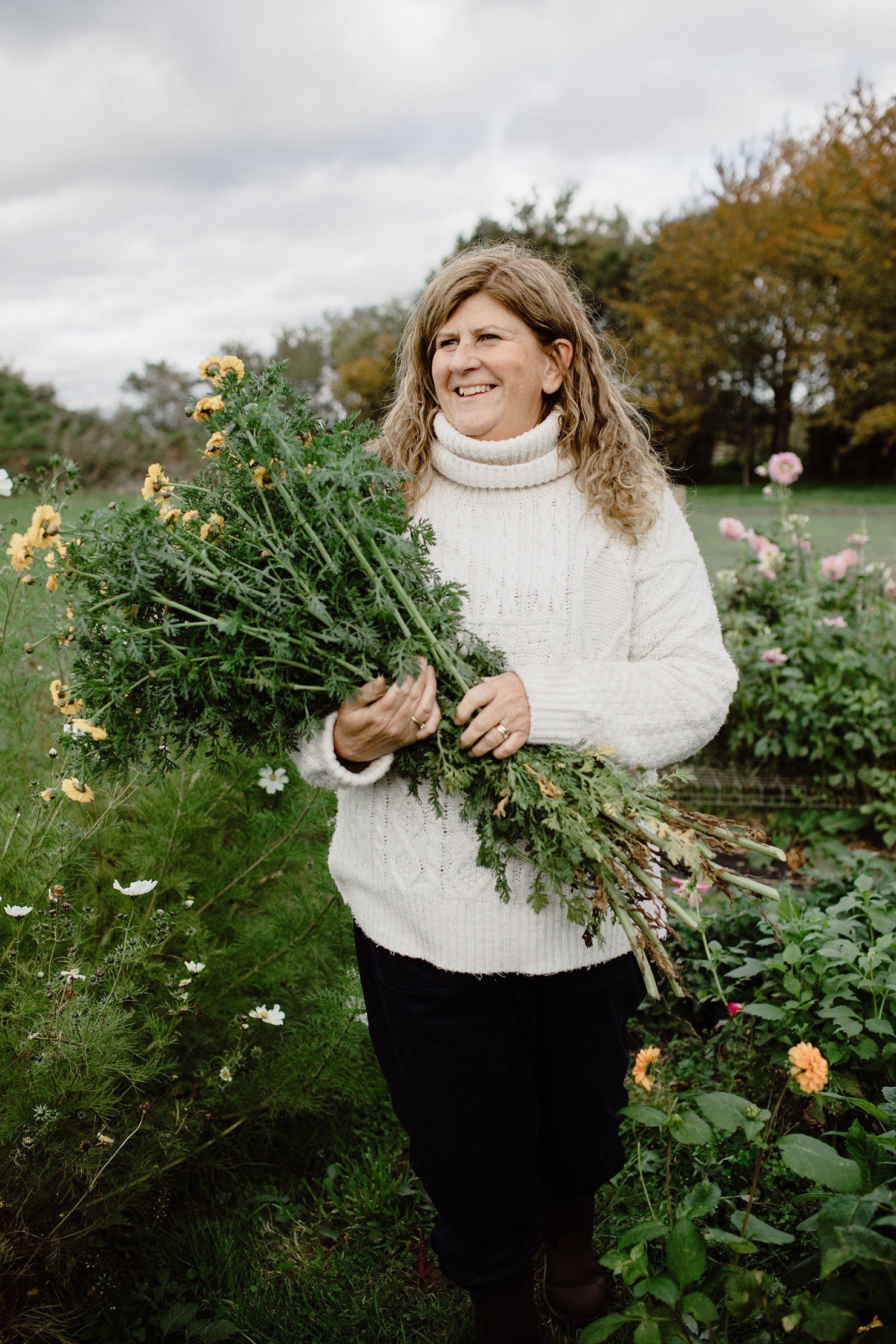

I spent £340 on flower seed in my first season. By year three I was spending less than half that, not because I was growing fewer varieties but because I had learned which seeds I could save reliably and which ones simply were not worth the bother. Seed saving is not romantic self-sufficiency theatre. It is a practical way to cut costs, improve germination rates on your own site, and spend more of your budget on the things you actually need to buy fresh. If you are growing cut flowers commercially or even just seriously for your own use, knowing which seeds to save and which to purchase will transform both your budget and your results.
Why bother saving flower seeds at all
The most obvious reason is money. A single packet of good calendula seed costs £3 to £4, and if you are direct sowing in succession you might buy six or eight packets a season. One mature calendula plant will give you enough seed for three years of sowings, and you can select the best plants for colour and stem length while you are at it.
Over several seasons, saved seed adapts to your particular site: your soil, your microclimate, your sowing and spacing methods. I have cosmos lines now that germinate faster and grow sturdier than anything I can buy, simply because I have been selecting the strongest plants for five years running.
There is real satisfaction in closing the loop, too. When you can grow a full crop from your own seed, label it properly, store it well and sow it the following spring with complete confidence, you have become a grower rather than just a buyer of plants. It is a skill worth having, and it makes you far less dependent on suppliers, shipping delays and stock shortages.
Which flowers breed true and which do not
Open-pollinated varieties breed true from saved seed. That means the offspring look like the parent, with only minor natural variation. Cosmos, calendula, cerinthe, orlaya, nigella and ammi are all open-pollinated, and you can save seed from them year after year with predictable results.
F1 hybrids do not breed true. They are the product of controlled crosses between two parent lines, and if you save their seed the next generation will be a genetic lottery: weak plants, odd colours, poor stem length, sometimes total failures. Most lisianthus, many zinnias labelled "F1", and a fair few modern sweet peas fall into this category.
Dahlias are a separate case. They do not come true from seed at all, even the species types, because they cross-pollinate freely and are highly variable. If you want a named dahlia variety, you propagate by division or cuttings, not seed. Ranunculus are similar: the corms are clones, and seed-grown ranunculus are a mixed bag at best. I have tried it, and the results were disappointing enough that I now buy fresh corms every year and spend my seed-saving energy on plants that actually reward the effort.
When and how to collect seed from cosmos, zinnias and other annuals
Timing is everything. Wait until the seed heads are fully dry and papery on the plant, not just starting to brown. For cosmos that means the petals have dropped and the centre has gone dark and brittle. For zinnias, the whole head should feel crisp and the seeds should pull away easily when you rub them.
Collect on a dry day, ideally mid-morning after any dew has evaporated but before the afternoon heat. Wet seed will rot in storage, and even slight dampness invites mould. I keep a basket of paper envelopes in the polytunnel during late summer and early autumn, and I collect as I walk the beds rather than making special trips.
Never use plastic bags. They trap moisture and turn your harvest into compost within days. Paper breathes, and even if you are collecting slightly under-dry seed it will finish drying in the envelope without rotting. I label each envelope immediately with the variety name and the date, because I have learned the hard way that I will not remember by the time I get back to the potting shed.
Drying, cleaning and storing flower seed properly
Once collected, spread your seed out on newspaper or in shallow cardboard trays and let it dry indoors for a minimum of two to four weeks. I use the spare bedroom, which is cool and has good airflow. Garages and polytunnels get too damp in autumn, and sheds can harbour mice who will treat your seed collection as an all-you-can-eat buffet.
Cleaning means removing chaff, broken petals, bits of stem and any obviously damaged or undersized seeds. I do this by hand for small batches, gently rubbing the seed heads over a sheet of paper and then winnowing by tipping the mix from one container to another in front of a fan on low speed. The chaff blows away, the good seed stays put.
Label meticulously with the full variety name and the year. I cannot stress this enough. Unlabelled seed is worse than no seed, because you will waste time and space sowing mystery plants in spring. I store cleaned, labelled seed in small glass jars with tight lids, kept in a cool dark cupboard in the house. Not the garage, not the polytunnel, not the shed. Consistent cool and dry conditions are what matters, and domestic cupboards deliver that better than any outbuilding.
Common mistakes I see growers make with seed saving
The biggest mistake is collecting too early. Seed that looks nearly dry but is still slightly soft will rot within a week of being sealed in a packet. If in doubt, leave it on the plant another few days. I discussed this on The Cut Flower Podcast with a listener who had lost an entire season's worth of calendula seed to mould, and it turned out she had collected in the rain. One damp day undid months of careful selection.
Storing seed while it is still damp is the other killer. Even if it looks dry, if it has not had that full two to four week cure indoors it probably still holds enough moisture to go mouldy. I have opened jars in February to find a grey fuzz covering what should have been perfect cosmos seed, all because I was impatient in October.
Forgetting to label creates total chaos by spring. You will convince yourself you will remember, and you absolutely will not. I have sowed entire trays of "probably orlaya" that turned out to be ammi, which sounds minor but meant I had no orlaya when I needed it and far too much ammi for the market that year.
Saving seed from F1 hybrids wastes time and space. The germination might be acceptable, but the plants will be wildly variable and often inferior to the parent. If a variety is labelled F1, just buy it fresh each year and save your seed-saving efforts for something that will actually breed true and improve your stock over time.
Flowers I always save seed from and flowers I always buy fresh
I always save cosmos, calendula, nigella, cerinthe, orlaya and ammi. These are rock-solid reliable, they produce abundant seed, they breed true, and the saved seed often germinates better than shop-bought because it is fresher and adapted to my site. Cosmos in particular is almost foolproof: one plant gives you hundreds of seeds, and I have never had a bad batch.
I always buy lisianthus fresh from a specialist supplier, because the germination on saved seed is poor and the plants are weak. Ranunculus I buy as corms, not seed, because seed-grown ranunculus take far too long and the quality is unreliable. Sweet peas I buy every year for the same reason: yes, you can save them, but fresh seed from a good supplier gives you much stronger germination and more consistent results, especially with the modern varieties that have been bred for vigour and disease resistance.
If you are new to seed saving, start with just one or two varieties and trial them on a small scale before you commit beds to them. Sow half saved seed and half purchased, label the trays clearly, and keep notes on germination rates, stem length, flower size and overall vigour. After one season you will know exactly which seeds are worth saving on your own farm and which ones are better bought in.
For more on choosing the right varieties in the first place, see my guide to the best flowers to grow for cutting, and for a complete beginner's overview of the whole process from sowing to harvest, start with the seed to vase guide.
If you want a complete system for growing cut flowers from seed, including exactly which varieties to save and which to buy fresh each year, my Seed to Vase online course covers everything I have learned in twenty years of trial, error and keeping proper records. You get lifetime access to all modules, a members' community, and my personal feedback on your questions. It is the framework I wish I had when I started, and it will save you years of expensive mistakes.
Frequently asked
Can I save seed from any flower I grow?+
No. Only open-pollinated varieties breed true from saved seed. F1 hybrids will not produce plants like the parent. Most cosmos, calendula, nigella, cerinthe and orlaya are open-pollinated and reliable. Check your seed packet or supplier details before saving.
When is the best time to collect cosmos seed?+
Wait until the seed heads are completely dry and brown on the plant, usually late September through October in the UK. Collect on a dry day, ideally mid-morning after dew has lifted. The seeds should be dark brown or black and come away easily when you rub the head.
How long do saved flower seeds stay viable?+
Depends entirely on the species and storage conditions. Cosmos, calendula and zinnia stored properly in cool, dark, dry conditions will last 2 to 4 years with good germination. Some like cerinthe only stay strong for 1 to 2 years. Always test a small batch before sowing your entire crop.
Do I need special equipment for flower seed storage?+
Not at all. Clean dry glass jars with tight lids work perfectly. Label each jar clearly with variety name and collection year. Store in a cool dark cupboard indoors, not a damp shed or polytunnel where temperature and humidity fluctuate.