business · April · 8 min read
Bookkeeping for Flower Farmers: The Spreadsheet I Use Every Month
I hated bookkeeping until I built a spreadsheet that actually made sense. Here is the system I use every month to track my flower farm finances.
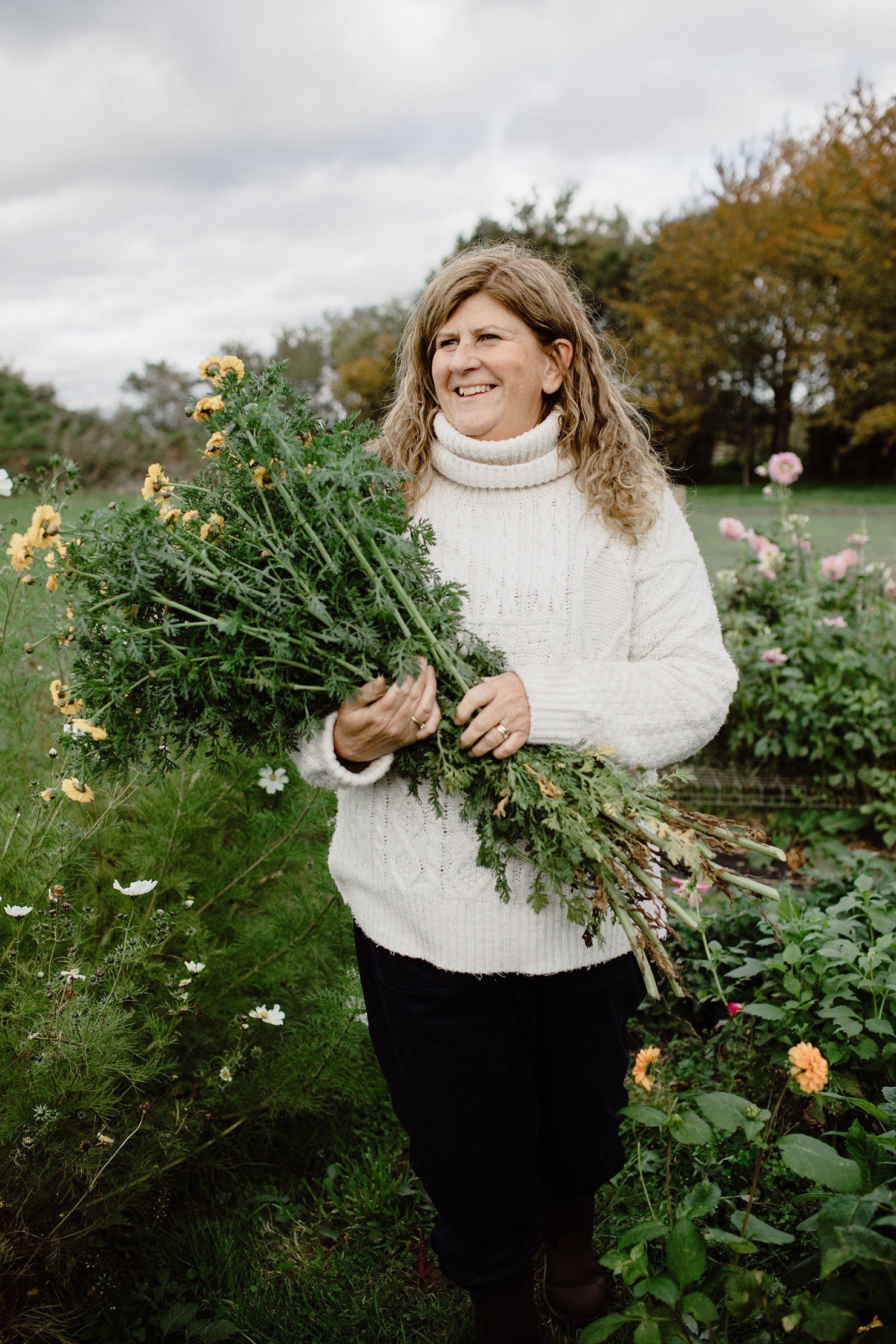

I spent my first three years farming with a carrier bag full of invoices and a growing sense of dread every January. I knew roughly what I had earned, roughly what I had spent, and had absolutely no idea whether the farm was actually profitable or just keeping me busy. The turning point came when I built a dead simple spreadsheet that takes me twenty minutes a month to update and shows me, at a glance, whether I can afford that new polytunnel or need to tighten up until dahlia season. This is that system, the one I still use today and teach to every student who asks how to get their numbers under control.
Why most accounting advice does not work for flower farmers
Every small business guide I read assumed steady monthly income. They showed neat bar charts with income distributed evenly across twelve months, maybe with a gentle Christmas bump. That is not flower farming. Flower farming means earning £8,000 in June and £200 in February, spending heavily in March when income is still flat, and watching your bank balance swing wildly depending on which week you check it.
Generic accounting tools do not handle extreme seasonality well. They nudge you towards monthly averages that hide the truth: you might be profitable overall but completely skint in April when you desperately need to buy dahlias and sweet pea supports. I needed a system that showed patterns, not just totals, so I could see the rhythm of my farm year and plan around it instead of panicking every spring.
The spreadsheet structure I actually use
I keep one tab per year in a single Google Sheet. Across the top run twelve columns, one for each month. Down the left side I list income categories first, then expense categories, then a running balance row at the bottom. That is it. No pivot tables, no macros, no complexity that stops you opening it.
The income section has about five rows: bouquet sales, bulk stems, wedding and event work, workshop income, sundries. The expense section has ten rows covering seeds, young plants, sundries like string and netting, fuel, marketing, polytunnel costs, equipment, van expenses, professional fees, and a miscellaneous catch-all. At the bottom, one row shows cumulative balance: income minus expenses, carried forward month by month.
This running balance is the single most useful number on the sheet. It tells me instantly whether I am ahead or behind compared to the same point last year, and whether that lean March is normal or a warning sign. I can open the sheet on my phone in a farm shop car park and decide whether I can afford another tray of plug plants or need to wait until next week's market.
Income tracking: weekly sales and seasonal patterns
I do not just dump a monthly total into each column. I keep a separate weekly sales tracker (another tab in the same sheet) where I record every market, every bouquet delivery, every bulk order as it happens. At month end I total those weekly figures and transfer the sum to the main sheet. This weekly detail matters because it shows me which markets are worth the petrol, which bouquet styles sell fastest, and whether wedding enquiries cluster in certain weeks.
Tracking product types separately has changed how I grow. I can see that bulk stems earn me more per square metre than bouquets but only sell well May through July, while bouquet customers buy steadily September through December when bulk orders dry up. I know now that June wedding work pays brilliantly but wrecks my market schedule, so I limit how many I take. None of that was visible when I just looked at total monthly income.
This detail also helps forecast next year. If I know September market sales averaged £320 per week last year and £290 the year before, I can budget £300 per week for this September and not panic if one rainy week only brings in £180. I talk about this kind of planning regularly on The Cut Flower Podcast, because so many growers get stuck reacting to every weekly swing instead of seeing the seasonal pattern underneath.
Expenses by category: what matters most
I group expenses into eight to twelve categories maximum. Any more than that and I stop updating the sheet because it feels like homework. Seeds and young plants are separate because I want to know what propagating myself saves me. Sundries covers everything from twine to buckets to labels. Fuel is its own line because it adds up shockingly fast. Marketing includes market stall fees, website hosting, and any advertising. Polytunnel costs are separate from general equipment so I can track return on that investment specifically.
I do not split hairs. If I spend £12 on secateurs, that goes under equipment. If I agonise for five minutes about whether it should be tools or sundries or a new category, I have already wasted more time than the data is worth. The goal is useful information fast, not accounting perfection.
Capital purchases, anything over about £500 that will last multiple years, go on a separate tab. I still note them on the main sheet in the month I pay for them because they affect cashflow, but I mark them clearly so I do not count a £2,000 propagation bench as a normal monthly expense when I am reviewing patterns. That polytunnel will serve me for fifteen years. The petrol I bought in March will not.
Cashflow forecasting for growers
Every month I update a simple three-month rolling forecast in another tab. I list expected income based on last year's patterns, booked weddings, and realistic market estimates. Then I list known expenses: seed orders I have already placed, insurance renewals coming up, fuel based on average monthly use, a buffer for unplanned sundries. The difference between projected income and projected expenses tells me whether I will be comfortable, tight, or in trouble.
This forecast has stopped me making expensive mistakes. Last February I nearly bought a new strimmer because the old one was temperamental. The forecast showed I had three lean months coming before tulip season income arrived. I serviced the old strimmer instead, spent £40 instead of £300, and stayed solvent through April. The new strimmer could wait until June when I actually had the cashflow to absorb it.
Planning purchases around actual cashflow instead of wishful thinking is probably the hardest mental shift for new flower farmers. We see something we need, we know the farm needs it, and we buy it. Then we are surprised when we are scraping by in March. The forecast makes future problems visible now, while you still have time to adjust. If you are just starting to grow flowers professionally, build this habit from day one. It is much easier than retrofitting it onto an established mess.
Monthly reconciliation in 20 minutes
On the first Monday of each month I download last month's bank statement as a CSV. I open my spreadsheet and check every transaction against what I recorded. Card payment to the seed company: yes, that is in the sheet under seeds. Fuel station: yes, under fuel. Mystery £47 payment to someone I do not recognise: flag it, investigate immediately, add a note.
This monthly reconciliation catches mistakes while they are still fresh. I have found duplicate payments, subscriptions I forgot to cancel, and occasional outright errors where the bank charged me twice. I have also caught my own mistakes: sales I recorded in the wrong month, expenses I forgot to enter, a wedding deposit I thought had arrived but had not.
Twenty minutes once a month is vastly easier than facing a shoebox of receipts in January. I do it with coffee, I do it before I allow myself to check email, and I do not skip it even in manic summer months. Those summer months are when I am most likely to lose track of small expenses that add up, so that is when the discipline matters most.
When to hire a bookkeeper or accountant
I did my own bookkeeping until I crossed about £30,000 turnover. At that point the time cost of managing it myself and the risk of making VAT or tax mistakes outweighed the money I saved. I moved to Xero, which talks to my bank and automates some of the categorisation, though I still review every transaction myself because the software guesses wrong often enough to matter.
I have always used an accountant for year-end accounts and tax returns, even in year one. A good agricultural accountant knows which expenses you can claim, how to handle capital allowances on polytunnels and equipment, and what records HMRC actually wants to see. Mine costs me about £600 per year and has saved me thousands in legitimate tax reductions I would never have known about. That is money well spent.
If you are doing under £20,000 and the spreadsheet system I have described here feels manageable, stay with it. Add complexity only when the business demands it, not because you think you should. I know growers doing £50,000 who still use spreadsheets because they understand their own system perfectly and it takes minimal time. I know others at £25,000 who hired a bookkeeper because numbers make them anxious and outsourcing that anxiety bought them peace of mind worth far more than the monthly fee. There is no single right answer, only what works for your brain and your farm.
Bookkeeping is just one piece of running a flower farm that actually pays you. My Build a Blooming Business course covers pricing, marketing, cashflow planning, scaling sensibly, and all the business skills I wish someone had taught me in year one. It is the course I built because my students kept asking for the business side, not just the growing. If you want a flower farm that supports you properly, not one that drains your savings every winter, this is where to start.
Frequently asked
Do I need accounting software for a small flower farm?+
No, not at first. A simple spreadsheet handles everything beautifully until your turnover reaches around £30,000 or you are juggling multiple revenue streams. I ran my first five years on a spreadsheet. Once you grow beyond that, something like Xero or QuickBooks makes sense, but learn the principles first.
How often should I update my flower farm accounts?+
Monthly minimum, weekly is better during your busy selling season. I do a quick update every Monday morning from May to October, then switch to monthly in winter. It takes 15 minutes when it is a habit. Leave it three months and you will spend a miserable afternoon untangling receipts.
What is the biggest bookkeeping mistake flower farmers make?+
Forgetting to track cashflow separately from profit. You can be profitable on paper but run out of cash in March when income stops but costs continue. Your accounts must show when money actually moves, not just annual totals. Cashflow forecasting saves farms, not hindsight accounting.