business · March · 7 min read
Diversifying a Flower Farm: Workshops, Retreats and Products That Actually Work
Growing flowers alone rarely covers the bills. Here are the diversification routes I have tested, what works, and what takes more than it gives back.
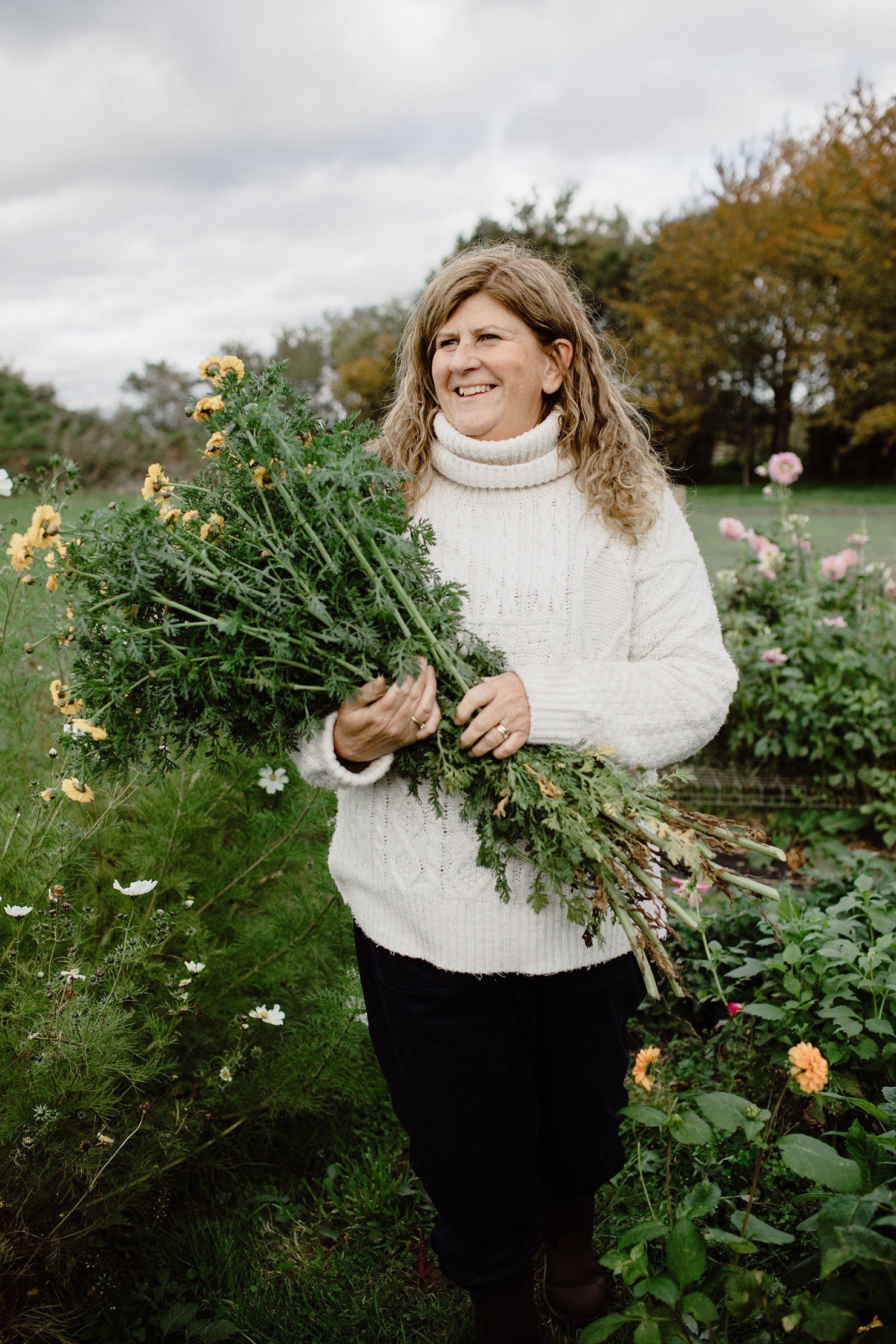

I watched a flower farmer friend close her business last year. Her stems were gorgeous, her Instagram was full of admirers and her customer list was solid. But the numbers simply did not add up. She was trading time and effort for a gross margin that could not cover a living wage, let alone reinvestment. That is when I got serious about diversification. Not as a nice extra, but as a survival strategy for any flower farm that wants to stay solvent past year three.
Why diversify in the first place
Flower sales alone have desperately thin margins once you account for labour, infrastructure and the reality of British weather. I love growing stems, but selling bunches at wholesale or even direct prices rarely covers the true cost of production when you factor in your own hours honestly.
Diversification spreads risk and fills the slow months when nothing is flowering and your polytunnel is just sitting there eating rates and heating oil. January and February can be brutal if your only income is fresh stems.
Most flower farmers I know need two to three distinct income streams to make the business genuinely viable. That might be workshops plus dried flowers, or retreats plus seeds, or any other combination that suits your setup and skills. The point is that relying solely on fresh stem sales is a recipe for stress and inconsistent cash flow.
Flower farm workshops: the most natural fit
Workshops let you share skills without huge setup costs or long-term commitments. You already have the flowers, the knowledge and probably a barn or polytunnel space that can host a small group. The barrier to entry is low and the margins can be excellent if you price properly.
Half-day wreath or posy workshops in winter are the easiest starting point. You can run them in November and December when demand is high, use foraged materials or stored stems, and charge £75 to £95 per person. They sell themselves if you have even a modest email list.
Full-day design workshops in summer attract more serious students who want in-depth teaching on conditioning, colour theory and arrangement techniques. These work beautifully in June or July when your beds are at their peak. I price mine at £125 to £150 and cap them at eight students so I can actually teach rather than just supervise.
The profit margin on workshops is real if you plan them carefully. Materials cost is usually under £15 per head, venue cost is zero if you use your own space, and your time is the main input. Compare that to growing and selling the equivalent value in wholesale stems and the difference is obvious. I have discussed workshop pricing and planning in detail on The Cut Flower Podcast, and it remains one of the most common questions I get from students in my Seed to Vase course.
Retreats and experiences: higher ticket, higher commitment
Overnight or weekend retreats command £300 to £800 per person depending on what you include and how you position them. The income potential is significant, but so is the workload and the risk if you do not fill your spaces.
They require accommodation, catering, public liability insurance and serious planning. You cannot wing a retreat the way you might a two-hour wreath workshop. Every meal, every session, every risk assessment needs to be sorted weeks in advance.
Retreats are best suited to farms with existing infrastructure or solid partnerships with local accommodation providers. I know growers who run brilliant retreats in collaboration with nearby B&Bs or glamping sites, splitting the revenue and the logistics. If you are doing it solo, you need guest rooms, proper facilities and probably a licence for serving food.
They can fill March or November gaps beautifully. Those are the months when the farm is not frantic but still pretty, and when people are desperate for a break. A spring flower arranging retreat or an autumn wreath-making weekend fits perfectly into both your calendar and your customers' desire for seasonal experiences.
Cut flower products: dried, seeds, bulbs and supplies
Dried flowers extend your season by six months or more. I harvest in July and August specifically for drying, then sell through autumn and winter when fresh British flowers are scarce. Dried bunches, wreaths and arrangements keep money coming in without the pressure of fresh harvest and delivery.
Seed packets and bulbs sell online year-round. If you save your own seed or source from reputable UK suppliers, the margins are decent and the product has a long shelf life. I sell small collections tailored to specific themes: cutting garden favourites, pollinator mixes, easy annuals for beginners. They suit customers who have taken my Seed to Vase course and want to start their own patch.
Tool kits and flower care supplies suit your existing customer base perfectly. Snips, flower food, vases, cutting baskets: these are things people need anyway, and they trust you to recommend quality. I keep it simple and only stock items I actually use myself.
Profit margins vary wildly depending on sourcing and packaging. Dried flowers have excellent margins if you grow and process them yourself. Seeds are decent if you save your own, less so if you are just reselling. Tools and supplies are low margin unless you are buying in serious volume, so I am selective and do not try to be a full garden centre.
What I have learned not to do
Avoid anything that pulls you away from the farm during peak harvest. May and June are when you make your money from fresh stems. A workshop or event that demands your attention during those weeks is not diversification, it is self-sabotage.
Do not underestimate prep time for workshops or events. Your first wreath workshop will take you three times longer to prepare than you think. Every session needs a run sheet, materials list, risk assessment and contingency plan. I learned this the hard way and now I build in a full day of prep for any new workshop format.
Steer clear of low-margin products that need constant restocking. I tried selling fresh posies at a local shop once. The logistics of twice-weekly deliveries, managing stock levels and chasing payment were a nightmare for a return that barely covered petrol. If a product does not have at least a 60% margin after all costs, I do not bother.
Wedding flowers are not diversification, they are a separate business model. Weddings require enormous time, skill, stress tolerance and liability cover. They are all-consuming in summer and they do not play nicely with other income streams. If you want to do weddings, commit properly or not at all. I talk about this decision in my Build a Blooming Business course because so many growers assume weddings are easy money and then discover the reality.
Timing diversification around your growing calendar
Plan workshops for January to March and October to November. Those months are quiet on the farm but busy in people's social calendars. Wreath workshops in November sell out fast. Spring design workshops in March catch people as they start thinking about their gardens again.
Product development happens in winter when growing pressure eases. December through February is when I trial new dried designs, photograph seed packets, update workshop materials and plan the year ahead. Trying to develop products in June is a joke.
Retreats suit shoulder seasons when beds are still attractive but not frantic. April and September are ideal. The weather is decent, the farm looks beautiful, and you are not drowning in harvest or planting.
Never launch a new income stream in May or June. I have said this already but it bears repeating. If you are tempted to start something new at peak season, write it down and come back to it in October. Your sanity and your flower sales will thank you. I went into detail about seasonal planning and how to protect your energy in this post on starting a flower farm, and the principles apply just as much to diversification.
Diversification is not about doing everything. It is about choosing one or two streams that fit your farm, your skills and your calendar without wrecking the growing that pays the bills. If you want a proper framework for pricing, planning and building a flower business that lasts, my Build a Blooming Business course walks you through exactly this kind of decision-making. It covers financials, marketing, seasonal planning and how to say no to the wrong opportunities. The course includes templates, worksheets and a private community of growers who are figuring out the same questions you are.
Frequently asked
How much can you earn from flower farm workshops?+
A half-day workshop with eight students at £85 each brings in £680. After materials, refreshments and your time, you might clear £400 to £500. Run two workshops a month through winter and that is useful income when flower sales slow right down.
Do you need public liability insurance for workshops?+
Yes, absolutely. Public liability insurance is essential the moment you invite paying customers onto your farm. Mine costs around £200 a year and covers workshops, farm gate sales and events. Check your policy covers tuition as well as visitors.
What is the easiest flower farm diversification to start with?+
Dried flower bunches or simple wreath workshops in December. You are already growing the material, you need minimal extra kit, and there is strong seasonal demand. Test the water before committing to bigger projects like retreats or product lines.
Should I sell fresh flowers and run workshops at the same time?+
Not during your main growing season. Workshops take hours of prep and attention. Schedule them for the quieter months, typically November to March, when your beds need less daily work and you have mental space to teach well.