sustainability · August · 2 min read
What's the Point of Wasps?
A short defence of the insect everyone else is spraying. Why the flower farm leaves the wasps alone.
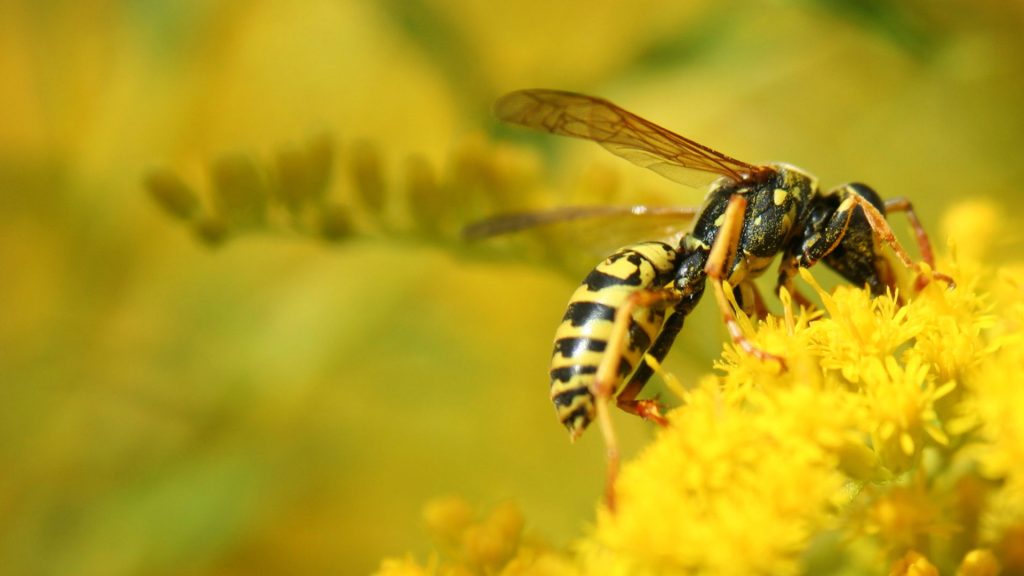

Anyone who's ever been stung by a wasp is likely to avoid them in future at all costs. Being stung is not a pleasant experience and often the culmination of increased frustration as these persistent insects pay no attention to your swiping the air around them or politely telling them to 'go away!'. Picnics, lunchtime drinks and splash park outings in August bring with them the likelihood of carefree laughter turning to nervous shrieks and hurried packing up and moving inside.
'What's the point of wasps?', people often ask in this situation. Well, in an attempt to — perhaps not win you over, but at least spread some appreciation of their existence — here are some curious facts and positive PR for the misunderstood wasp.
- The UK has about 9,000 species of wasps, however most of are solitary and steer clear of humans. It's the colony wasps that tend to be more of an annoyance.
- Wasps build their nests from wood pulp which they create from chewed wood and their own saliva. Ever heard scratching on a fence or bamboo stick? Look and listen closely and you'll probably find a wasp out wood gathering.
- Queen wasps can fly more than 40 miles in search of the perfect nesting site.
- Wasps live from spring through until late autumn. Early in the season they emerge to concentrate on food gathering. This is the time you'll see them collecting nectar or honeydew, as well as insects which provide their larvae with protein. They'll take caterpillars and other leaf-eaters back to their larvae, meaning they're acting as natural pest controllers.
- Wasps are referred to as 'accidental pollinators'. Although not as efficient at pollinating as bees, they still have a role to play.
- Wasps turn to 'human' sugary food as the season progresses. Once the Queen has stopped laying eggs, there are no new grubs to feed and the worker wasps are effectively redundant. With time on their hands (legs?) and the nest's sugar supply no longer available, they're forced to look further afield and that's when our sandwiches and sugary drinks become a magnet for them.
- During early autumn, wasps often feed on windfall fruit that has become fermented. If a wasp's behaviour seems erratic, it may be drunk.
- Don't ever purposely kill a wasp. The threatened or dying wasp will release pheromones that send a message to other wasps. You could find yourself the centre of even more unwanted wasp attention.
Still not convinced? Friend of The Cut Flower Podcast, Professor Dave Goulson, is a big fan of wasps and has written at length on why we should be kinder to them. You can also catch Prof Goulson's podcast conversation with Roz, 'Bees, Insects, Peat and the Planet', in The Cut Flower Podcast archive.
For more on growing in partnership with nature, read why sustainability is vital to the cut flower industry, six ways buying locally-grown flowers benefits the environment, or join our Best Bunch Membership for monthly live sessions with Roz.


