sustainability · April
Why Sustainability is Vital to the Cut Flower Industry
Airmiles, pesticides, plastic and peat — the four realities the imported flower trade doesn't want you to see.
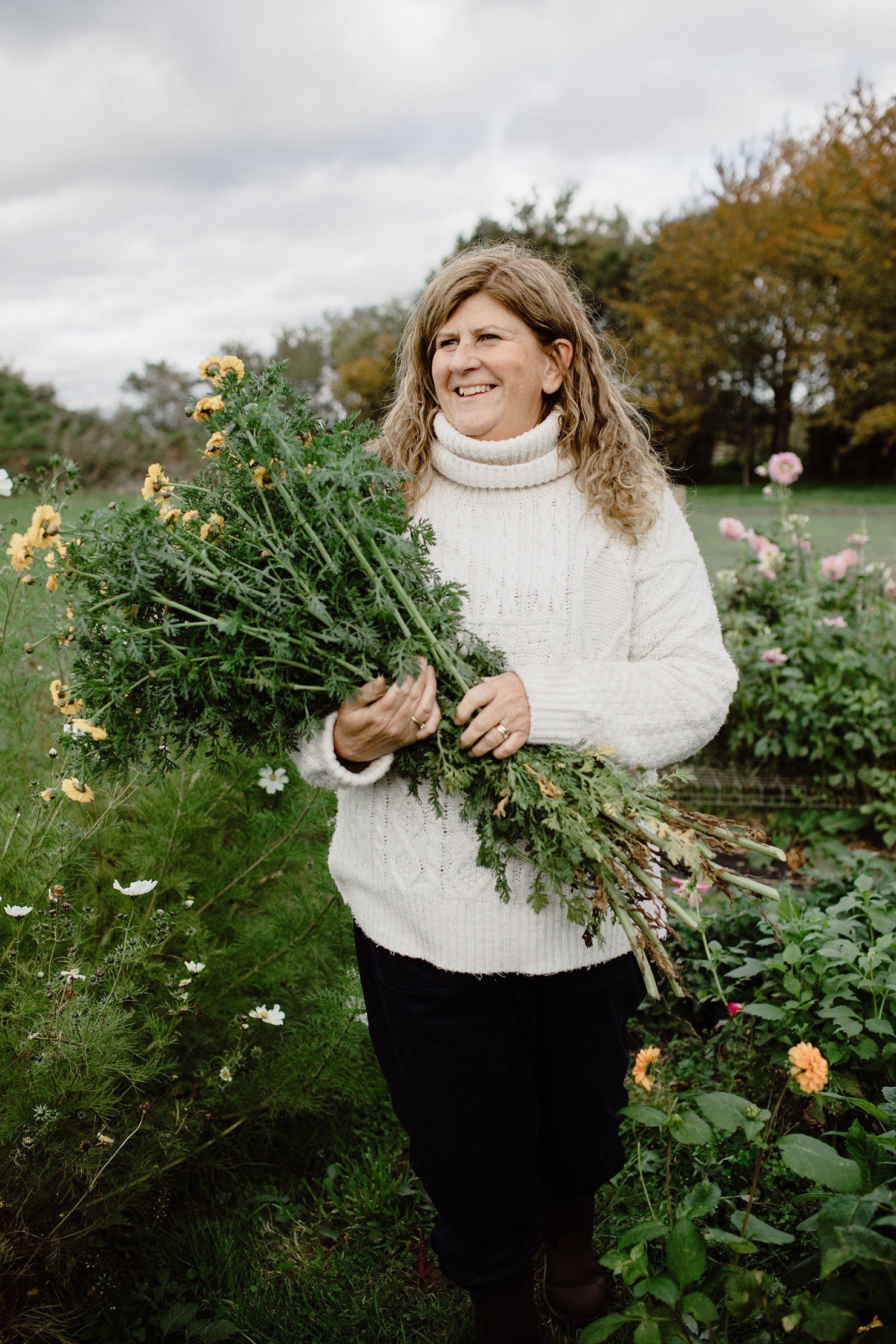
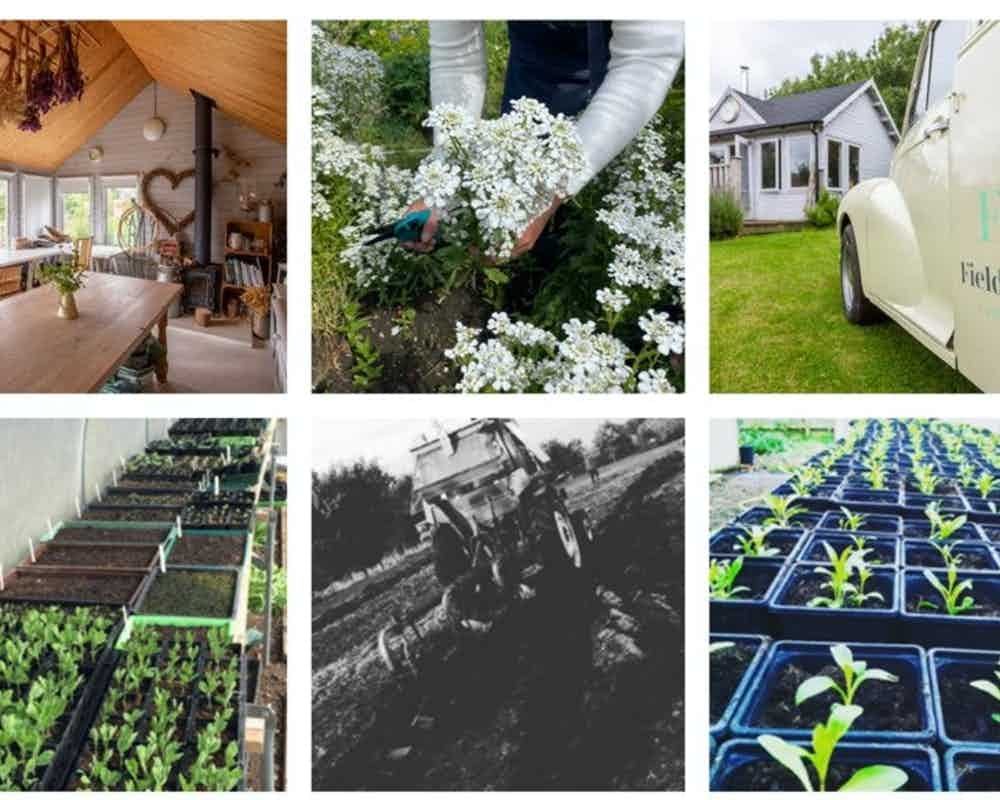
For us at Field Gate Flowers, sustainability is at the core of our values. Our business has been built by providing local flowers grown on the banks of the River Ouse, without the need for herbicides and pesticides, and by reducing our plastic use wherever we can.
My love of the land came from studying an Environmental Science degree in the 1980s. It was certainly ahead of its time then, and I kind of fell into it. I wanted to be a doctor but that is another story — and those A-level grades were far away from gaining entry to any medical school. So off I went to Plymouth Polytechnic — my 850cc Mini completely packed with my life's possessions.
Three years later, I wrote my thesis on "The effects of nitrates from fertilisers and the link to cancer." I remember back then taking water samples from the River Lea in Hertfordshire and analysing them in the lab back in Devon. I certainly felt like a secret agent.
This obviously set the scene of what was to come. Today I still believe that we can grow cut flowers sustainably and without the need for contaminating our soil, land and waters.
The scale of the problem
The cut-flower market is worth over £2 billion in the UK, with over 7,000 florists. 90% of our flowers are imported, and the global industry is worth over $55 billion. However, some parts of it have been linked to bad practices affecting workers, communities and the environment.
Environmental concerns include:
- High carbon footprint of greenhouse heating and global transportation
- Chemical use to increase production and prolong life, such as in air transit
- Destruction of habitats and biodiversity
- Waste from plastics and other materials
- Uncontrolled wildflower harvesting
- Water use in drought-prone areas
- Contamination of land and waterways
Social and political concerns include:
- Low-paid, precarious/uncontracted work; highly seasonal demand
- Health risks, including fertility issues and miscarriage from chemical exposure
- Reduced water quality and availability
- Land rights prioritising companies over communities
- Sexual harassment and discrimination
- Poor or no maternity rights; lack of safe childcare provision
A real change has occurred, and people are now asking more about where their flowers and foliage come from and how they are grown. I am hoping that this demand will fuel the British flower industry.
What we stand for
At Field Gate Flowers we are passionate about:
- Growing without herbicides and pesticides
- Working with nature and encouraging bees and insects
- Growing locally and reducing air miles
- Providing employment locally
Why British Flowers?
Flowers grown by your local flower farmer will be freshly picked and locally delivered, saving thousands of travel miles. Your local flower farmer grows with the seasons and is motivated not by predictable, year-round crops, but by seasonal flowers with the perfume and natural, informal beauty that can only come from small-scale, local production.
Isn't it time we thought about flowers as we increasingly do about food — valuing seasonal, fresh, locally grown, unusual varieties over mass imports?
Flowers from the Farm is a multi-award-winning, not-for-profit co-operative of British cut flower growers — over 800 active members from Cornwall to Inverness.


