sustainability · January
The UK Border Target Operating Model — or, Why You Should Buy Locally
How the January 2024 BTOM affects imported flowers — and why this is the moment to throw your weight behind UK flower farmers.
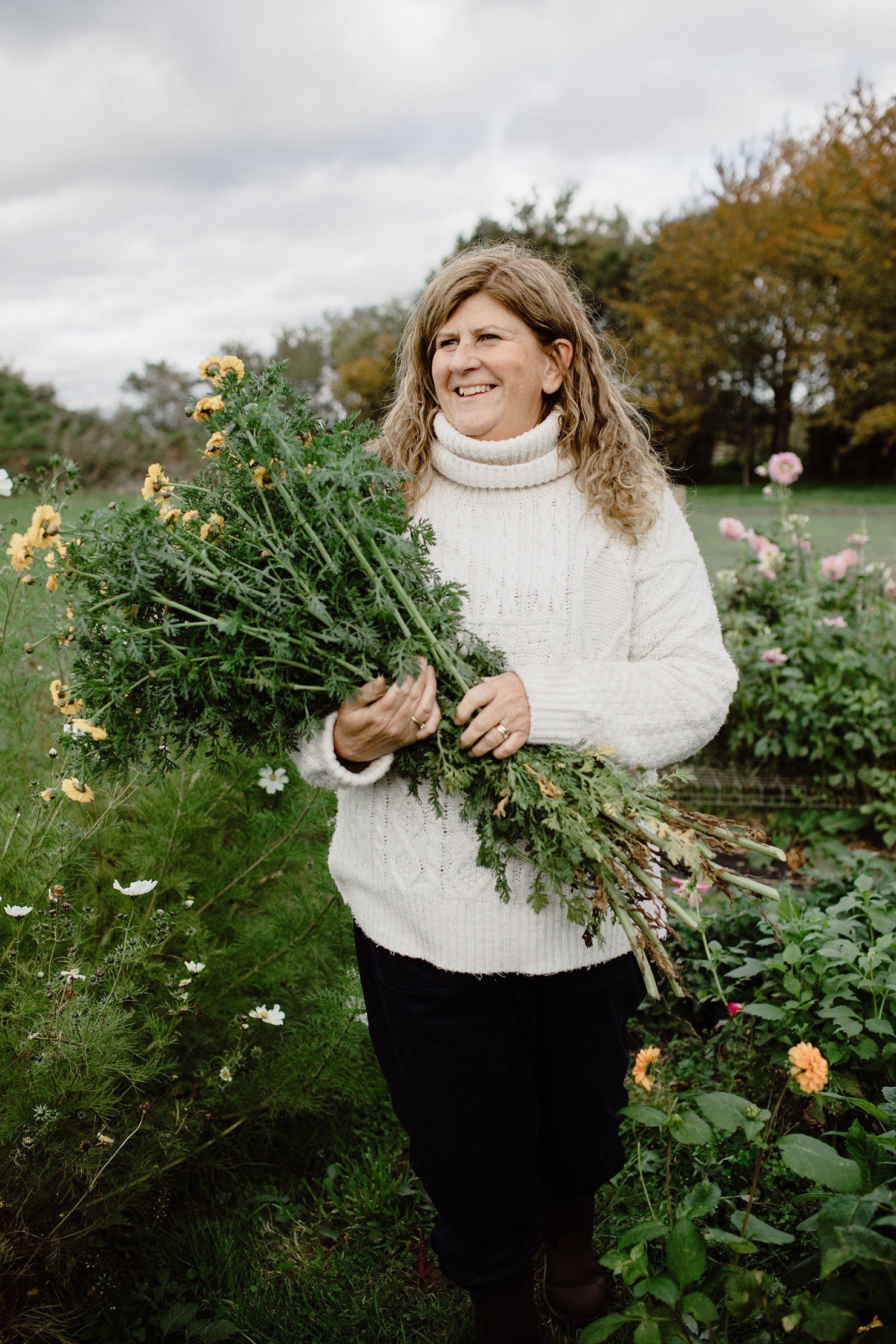


Who's fed up with hearing about Brexit and whether or not things have got better or worse since the UK formally separated from the EU? Probably most of us. If it doesn't affect you on a daily basis, you've almost certainly started tuning out when the latest update on tariffs and border controls is announced.
However, if you're a flower grower, florist or nursery owner, you may be trying to decipher the UK Border Target Operating Model (BTOM) which comes into force on 31 January 2024 — and figuring out what exactly it will mean for your business.
And if you've ever bought imported flowers from a shop or wholesale trader (yes, that includes carnations from the garage), then the new import model should interest you too, as it's likely to mean price increases — and possibly a reduction in availability — on imported cut flowers.
What exactly is the BTOM?
From 31 January 2024, certain plants and cut flowers will require a phytosanitary certificate on entry to the UK and may be subject to physical checks (which involves taking a representative sample from a consignment and opening it up to inspect for signs of pests or disease).
So if your floristry business regularly buys any medium-risk cut flowers from overseas, not only could your paperwork and costs increase — but if the consignment containing your flowers is pulled aside for physical checks, it may mean a delay in delivery which could have huge implications on, let's say, a big wedding installation.
Whilst keeping new pests and diseases out of the country is clearly a good thing, these checks are likely to increase the time it takes to import any plant on the list.
Is this good news for UK flower farmers?
As a British flower grower advocating home-grown cut flowers and buying and selling locally, my answer is of course — BUY LOCALLY!
Support your local flower farmer, whether as a florist, floral artist or a retail customer looking for a regular bunch of blooms. The introduction of enhanced health certification and physical checks on imported plants and some cut flowers is an opportunity to bring people's attention to UK flower farmers growing for a home market.
Flowers from the Farm is an association championing local and seasonal flowers from flower farmers across the UK. This friendly network helps connect UK flower farmers to share their passion — and also their skills and experience. So if you're a UK-based grower, do take a look. And if you're in the market for buying cut flowers, do please seek out your local grower and take your business to them.
Many flower farmers and small growers offer a subscription service or sell ad hoc buckets of blooms, as we do at Field Gate. Buying cut flowers locally is one of those small switches you can make that will have a big impact on the future health of our planet — if enough of us do it and encourage others to do the same.
For regular cut flower advice, workshops, talks and discounts, join our Best Bunch Membership.
Roz


