growing · March · 7 min read
Spring Bulbs for Cutting: What Every UK Grower Should Plant This Autumn
The spring bulbs you plant this autumn will be your first income of next year. Here are the varieties I rely on for cutting and selling.
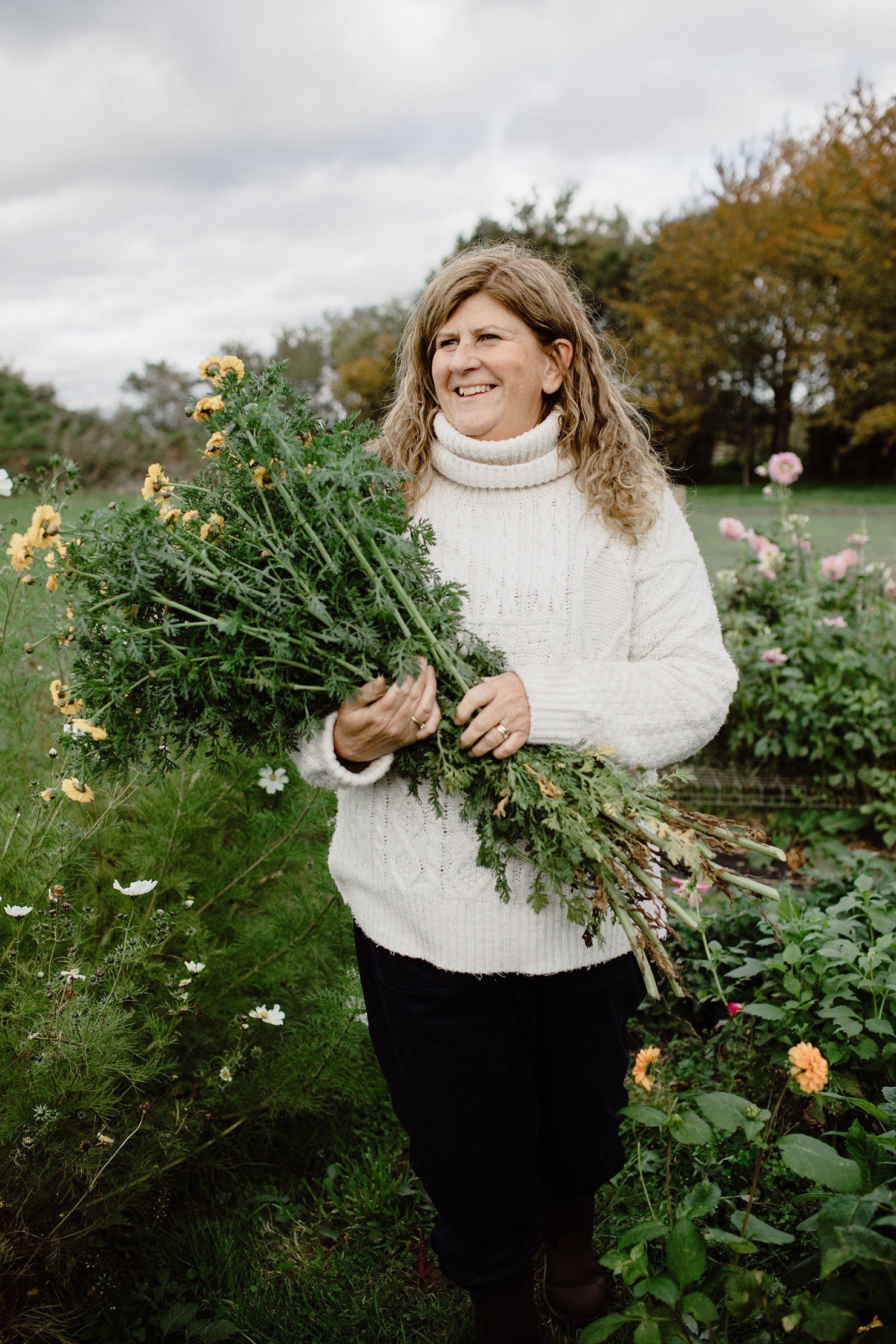

Every October I watch growers panic about what to plant, then skip bulbs entirely because they think spring is too far away to worry about. By March those same growers are messaging me asking where I source my narcissi, because their customers are desperate for local spring flowers and they have nothing to sell. Spring bulbs are the easiest money you will make all year, and if you plant them between now and December you will have armfuls of stems to cut when everyone else is still waiting for their annuals to germinate. I have been planting bulbs for twenty years, and I can tell you exactly which ones pay their way and which ones waste your time and money.
Why spring bulbs are your most profitable crop
Spring bulbs fill the hungry gap when your customers are starving for colour and your competitors have nothing fresh to offer. You plant once in autumn, mulch, walk away, and in March you are cutting stems while everyone else is still hardening off seedlings under fleece. The return on investment is ridiculous: a decent narcissus bulb costs 20 to 30 pence and gives you a stem you can sell for £1.50 or more.
Plant any time from October through December and you will have flowers from March through May, depending on variety and your microclimate. I plant in three or four batches to spread the harvest, and it works beautifully. Bulbs need almost no input after planting: a bit of mulch, one feed when the shoots emerge, and that is it. Compare that to the weekly attention your annuals demand, and you will see why I dedicate a quarter of my beds to bulbs every single year.
Narcissi: the workhorses of spring
Narcissi are my backbone crop for April. I plant the same three varieties every year because they perform reliably, cut well, and my customers buy them by the bunch without hesitation. Cheerfulness is a double white with a creamy centre, wonderfully fragrant and long-lasting in the vase. Geranium is a multi-headed type with white petals and an orange cup, and it gives you five or six stems per bulb. Thalia is a classic triandrus with nodding white flowers, elegant and popular with florists who want something a bit more refined than the standard daffodil.
I space narcissi 15 to 20 cm apart in blocks, planted about 12 to 15 cm deep depending on bulb size. They tolerate closer spacing than the packet says, and I have never had disease problems even when I push it to 12 cm. Cut them when the buds show full colour but before the flowers open completely: they will finish opening in the vase and last a solid week. If you cut them too open they shatter within three days, and that is money wasted.
Tulips: timing, varieties and stem length
Tulips are where you make serious money per square metre, but only if you choose the right types and cut them properly. Single late and triumph varieties give you the longest, strongest stems: I am talking 50 to 60 cm of clean stem, which is what florists and brides want. My favourites include Menton (salmon pink, gorgeous), Queen of Night (deep purple, always sells out), and Shirley (white with a purple edge, stunning in mixed bunches). I also plant a few parrot types for customers who want something dramatic, but the stems are shorter and they do not always sell as fast.
Plant tulips 10 to 12 cm apart and at least 15 cm deep. The deeper you plant, the longer the stem and the less likely they are to flop. I plant them in no dig beds and mulch immediately with compost or leaf mould to keep the soil moist and suppress weeds. Tulips do not tolerate competition, so keep them clean.
Cut tulips when the bud is fully coloured but still tight, like a bullet. If you cut them even slightly open they will be blown within two days and your customers will be disappointed. A tight tulip bud will open slowly over eight to ten days in the vase, sometimes longer if you recut the stems and change the water every other day. That vase life is what makes tulips worth the effort and expense.
Fritillaria: the specialist's choice
Fritillaria are not for everyone, but if you have customers who appreciate unusual shapes and are willing to pay for them, these are worth planting. I grow two types: Fritillaria persica, which has tall spikes of deep purple bells, and Fritillaria meleagris, the snakeshead fritillary with its chequered petals in purple or white. Both cut beautifully and hold well in arrangements.
Persica is the more dramatic of the two, with stems reaching 80 to 90 cm in good conditions. It needs full sun, decent drainage, and patience: the bulbs are expensive (£3 to £5 each) and they can take a year to settle in before they flower well. Meleagris is cheaper, shorter (30 to 40 cm), and more delicate, perfect for spring posies and woodland-style arrangements. Both need to be planted early, ideally in October, because they require a long cold period to flower properly.
I sell fritillaria as single stems or in small bunches, and I charge premium prices because they are unusual and people do not see them everywhere. If you want to differentiate yourself from the supermarket bunches, these are a smart investment.
Planting, spacing and aftercare
I plant all my bulbs in no dig beds, and it works brilliantly. The soil structure stays intact, the worms do the cultivation for me, and I do not risk slicing bulbs in half with a spade. I use a bulb planter for larger bulbs like tulips and narcissi, and a trowel for smaller ones like meleagris. If your soil is heavy clay, add a handful of grit or sharp sand at the base of each hole to improve drainage. Bulbs will rot in waterlogged soil faster than anything else I grow.
After planting, I mulch the beds with a 5 cm layer of compost or well-rotted manure. This suppresses weeds (which compete hard with bulbs), keeps the soil temperature stable, and adds a bit of slow-release fertility. Once the shoots emerge in late winter, I give them one feed of liquid seaweed diluted to half strength. That is all they need. Over-feeding encourages soft growth and disease, so resist the urge to pile on the nutrients.
I talk about bulb planting and spring crop planning regularly on The Cut Flower Podcast, and listeners always ask whether they need to lift and replant every year. The answer depends on the bulb: narcissi can stay in the ground for three or four years, but tulips really do need lifting or they decline fast.
What I have learned after twenty years of bulbs
The single most important lesson I can share is this: leave the foliage to die back naturally after flowering, even though it looks untidy and you want to cut it off. The leaves are feeding the bulb for next year, and if you remove them too early you will get weak flowers or no flowers at all the following spring. I wait until the foliage is completely yellow and papery before I touch it, usually six to eight weeks after the flowers finish.
Tulips are the exception to the "leave them in the ground" rule. I lift mine as soon as the foliage starts to yellow, brush off the soil, and store them in a cool, dry shed in cardboard trays. This prevents disease and gives me bigger, healthier bulbs the following autumn. It is a bit of work, but the quality difference is enormous. Some growers treat tulips as annuals and buy fresh each year, and if your time is limited that is a perfectly reasonable approach.
The final lesson: invest in quality bulbs from a reputable supplier. Cheap bulbs are almost always undersized, virus-infected, or mislabelled, and they will break your heart. I pay more, and I get bulbs that perform exactly as promised. When you are choosing the best flowers to grow for cutting, bulbs should be near the top of your list, but only if you buy good ones.
If you want a complete system for planning, planting and selling your cut flowers (bulbs included), my Seed to Vase online course walks you through every step. You get my full crop plans, planting schedules, harvesting guides, and access to a community of growers at every level. I answer questions personally, and after twenty years of trial and error on my own farm, I can save you a lot of expensive mistakes. The course is open for enrolment now, and you will have lifetime access to all updates and new content.
Frequently asked
When should I plant spring bulbs for cutting in the UK?+
October through to early December is ideal for most spring bulbs in the UK. Narcissi are forgiving and can go in later, but tulips and fritillaria benefit from early planting to establish good root systems before winter. I aim to finish planting by the end of November on my farm in Buckinghamshire.
What spacing do you use for cut flower tulips?+
I plant tulips at 10 to 12 cm spacing in both directions, which gives roughly 80 bulbs per square metre. This is closer than ornamental planting because I want long straight stems and I lift the bulbs after flowering. Closer spacing also supports the stems and reduces staking.
Can you leave tulip bulbs in the ground year after year?+
You can, but for cut flower production I lift mine every year after the foliage dies back. This prevents disease build-up, lets me rotate crops, and means I can choose exactly which varieties to replant each autumn. Species tulips are more reliable as perennials, but they have shorter stems.