growing · June · 6 min read
The 12-Month Seed Sowing Calendar for a UK Cutting Patch
A practical month-by-month guide to when to sow flower seeds in the UK, so you always know what to plant next in your cutting patch.
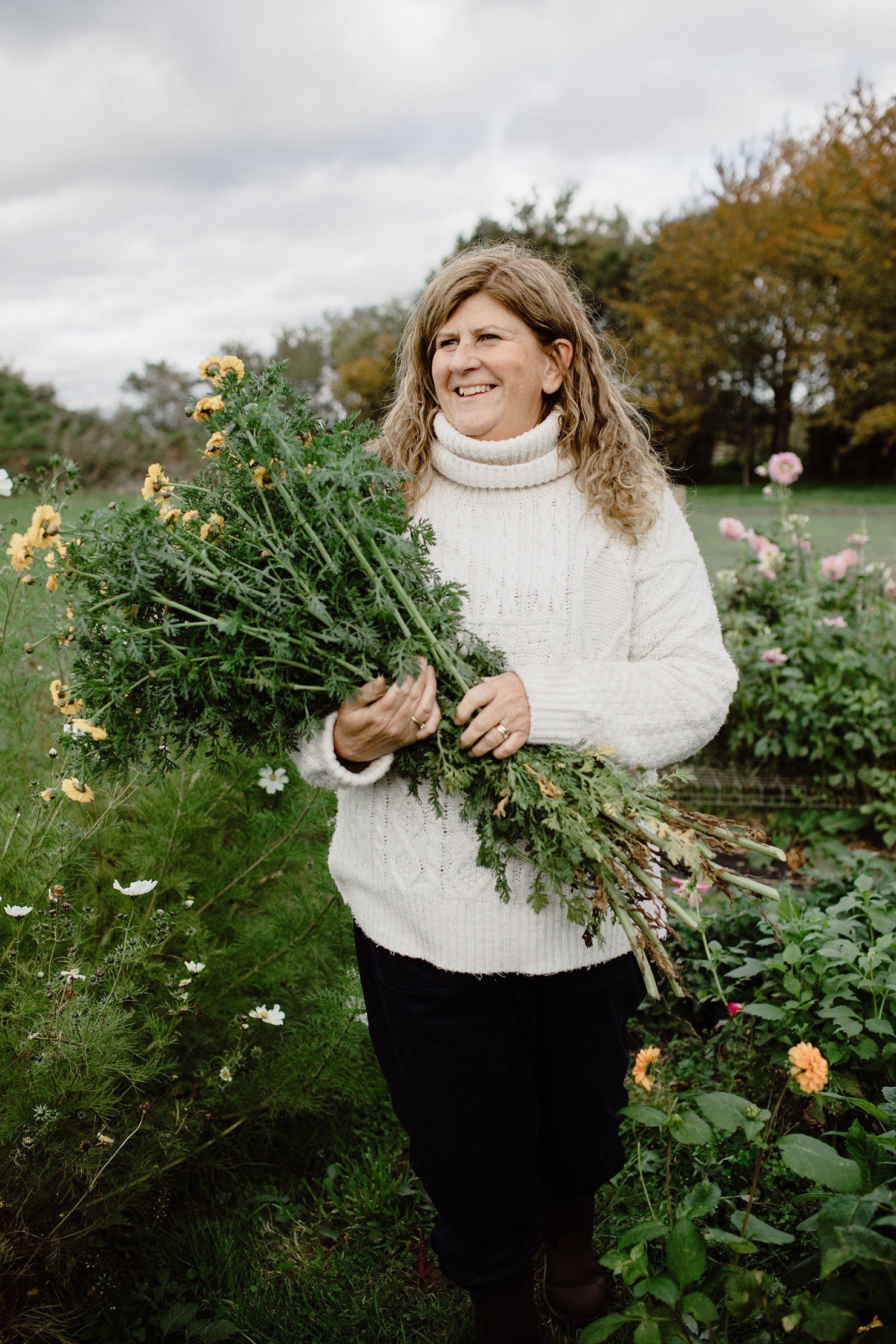

I spent my first season sowing everything far too early, convinced that getting seeds in would give me a head start. Instead, I got trays of leggy cosmos in March with nowhere to plant them and half-hardy annuals that sulked in cold soil. A proper seed sowing calendar, tailored to the UK climate, changed everything. It is not about following rigid dates: it is about understanding the rhythm of your growing year and why timing matters as much as variety choice.
Why a seed sowing calendar matters for UK growers
The UK climate is notoriously unpredictable, but it follows patterns you can work with once you understand them. Sowing too early often means seeds rot in cold, wet soil or seedlings outgrow their space before it is safe to plant out. Sow too late and you miss the sweet spot for flowering, especially with annuals that need a long season.
A calendar removes the guesswork. It gives you a framework to plan around last frost dates, soil temperature, and the specific needs of different flower families. I keep mine pinned above my potting bench and adjust it every year based on what actually happened on my patch, not what a seed packet printed in another country suggests.
January to March: early sowings under cover
January is when I sow sweet peas under cover, usually in root trainers or deep modules. They need a cold period to germinate well, and sowing in the new year gives them time to build strong root systems before planting out in March or April. I keep them in an unheated greenhouse: they do not need warmth, just protection from the worst weather.
March is the month for half-hardy annuals like cosmos, zinnia, and celosia. I sow these in trays or modules on a heated bench or windowsill, aiming for germination temperatures around 18 to 21°C. They will not go outside until mid-May at the earliest, so I time the sowing to avoid them getting root-bound or floppy before it is safe to plant out.
February and March are also when I sow biennials like foxgloves, sweet william, and honesty for next year's flowers. These go into trays, get potted on once, and spend the summer growing in a nursery bed before being planted into their final positions in autumn. It is a long game, but biennials are worth the wait.
April to June: direct sowing and succession planting
April is when the soil finally starts to warm up enough for direct sowing hardy annuals. I sow cornflower, calendula, nigella, and ammi straight into prepared beds. The key is soil temperature: if it feels cold to your hand, it is too cold for most seeds. I wait until mid-April most years, sometimes later if we have had a wet spring.
Succession sowing is critical during this period. I sow calendula and cornflower every two to three weeks from April through June to keep flowers coming from June right through to October. Each sowing gives me a fresh flush of blooms, and the plants sown later often perform better in the heat of summer than the early ones.
Half-hardy annuals sown in March are hardened off and planted out after the last frost, which on my patch is usually around mid-May. I cover this process in detail in my Seed to Vase online course, because hardening off properly makes the difference between plants that thrive and plants that sit and sulk for weeks. I also discuss it regularly on The Cut Flower Podcast, especially in spring episodes when everyone is itching to get planting.
July to September: planning for next year
July and August feel like the height of summer, but they are actually sowing months for next year's flowers. I sow biennials like wallflowers, Canterbury bells, and more foxgloves in July for spring flowering the following year. These go into modules, get potted on, and spend autumn growing on before winter.
This is also when I plan my autumn sowings of hardy annuals. I order seed for October sowing and make notes on what worked this year so I can repeat or adjust. September is quieter for sowing, but it is prime time for planning: ordering bulbs, preparing beds, and thinking about crop rotation.
If you are just getting started and want a full framework for planning year-round, my guide to growing flowers from seed to vase covers the big picture, from seed selection through to harvest.
October to December: hardy annuals and overwintering
October and November are my favourite months for direct sowing hardy annuals. I sow cornflower, ammi, orlaya, and celosia straight into the no-dig flower beds I have prepared in late summer. These plants overwinter as small rosettes, put down deep root systems, and flower weeks earlier than spring-sown plants.
Overwintered annuals are tougher, more weather-resistant, and often produce better stems. The key is not to sow too early: I aim for late October or early November so plants do not get too big before winter. If they go into winter with too much soft growth, a hard frost can knock them back.
I protect sowings with fleece or cloches during cold snaps, especially if we get a prolonged freeze. But most hardy annuals cope fine with UK winters if they are sown at the right size. December is mostly a month for planning, ordering seed, and catching up on record-keeping while the patch rests.
How to adjust sowing dates for your microclimate
Last frost dates vary by four to six weeks across the UK. In the South West, you might be planting out half-hardy annuals in late April. In Scotland or the North, you might be waiting until early June. Knowing your own last frost date is the single most useful piece of information for adjusting any seed sowing calendar.
Soil type also matters. Clay soil, like mine, warms much slower than sandy loam. I often wait an extra week or two compared to growers on lighter soils, especially for direct sowing in spring. If your patch is on a slope, in a frost pocket, or exposed to prevailing wind, all of these factors shift your sowing windows.
Keep records of what works on your patch. I note sowing dates, germination rates, and flowering times every year. Over time, these records become more valuable than any generic calendar because they reflect your actual conditions. If you want more guidance on choosing what to grow, my post on the best flowers to grow for cutting covers varieties that perform reliably across different UK climates.
Common mistakes with seed sowing timing
Sowing too early indoors is the mistake I see most often. You end up with trays of leggy seedlings that have nowhere to go, and they never quite recover from being pot-bound or stressed. It is far better to sow three weeks later and have sturdy, compact plants ready to go out at the right time.
Not hardening off properly shocks plants and sets them back weeks. Even hardy annuals sown under cover need a gradual transition to outdoor conditions: wind, fluctuating temperatures, and full sun are all stresses that plants need time to adapt to. I harden off everything for at least a week, sometimes two if the weather is rough.
Ignoring packet instructions for specific varieties is another one. Some seeds need light to germinate, others need darkness. Some need cold stratification, others need warmth. Reading the back of the packet and following it, even when it seems fussy, saves a lot of failed sowings.
If you want the full detail on sowing dates, module by module, with variety recommendations and my personal feedback as you go, my Seed to Vase online course is the most comprehensive resource I offer. It covers everything in this calendar and much more: soil prep, transplanting, spacing, pest control, cutting technique, and how to keep records so you improve every year. You also get lifetime access to the members' community where growers share their sowing dates and results from every corner of the UK. It is the framework I wish I had when I started.
Frequently asked
When should I sow sweet peas in the UK?+
I sow sweet peas in January under cover, around mid to late month. They need a cold period to germinate well. Some growers sow in October or November and overwinter young plants in a cold frame, but January sowings catch up quickly and I find them less trouble overall.
What is the difference between hardy and half-hardy annuals?+
Hardy annuals like cornflower, ammi and nigella tolerate frost and can be sown directly outside from April, or even autumn for earlier flowers. Half-hardy annuals like zinnia, cosmos and celosia are killed by frost, so must be started indoors in March or April and planted out only after the last frost in mid-May.
Can I direct sow seeds in autumn in the UK?+
Yes, absolutely. I direct sow hardy annuals like cornflower, ammi, nigella and larkspur in October or November. They overwinter as small plants and flower weeks earlier than spring-sown crops. This autumn sowing is one of the best tricks for extending your season and I cover it thoroughly in my Seed to Vase course.
How do I know my last frost date?+
It varies widely across the UK. In the south it might be late April, in Scotland or northern England it can be late May or even early June. Check local gardening groups, allotment holders or the Met Office records for your area. I use mid-May as my safe date in Buckinghamshire but always watch the forecast.