growing · July · 2 min read
Not Yet Convinced by Dahlias?
From Z-list to A-list — why dahlias are having the most extraordinary floristry comeback of the last decade.

Q: What do Hush Puppies (the shoe brand) and dahlias (the flower) have in common?
A: They've both gone from being deeply unfashionable to popularity of almost epidemic proportions.
Given their current popularity and the something-for-everyone range of dahlia varieties now available, it seems almost impossible that not so very many years ago they were decidedly Z-list in the celebrity hierarchy of flowers. Their resurgence is in part down to a general trend towards more diverse and unique flower choices, with the introduction of new and novel varieties and cultivars energising their reputation. Their versatility as a cut flower and their Instagramability have also helped in no small part!
If you've just started on your dahlia journey or are looking to broaden your range and propagate new plants from those you already have, my Dahlia Masterclass (available through The Best Bunch Membership) has all the information you'll need.
A bit of history
Dahlias belong to the Asteraceae family and are native to Central America, particularly Mexico — only making their way over to Europe in the 18th century. The first dahlias raised in Europe were single, open-centred flowers, but horticulturalists soon discovered that when grown from seed, dahlias naturally hybridise, readily changing their colours and shape. In the UK, the National Dahlia Society was set up in 1881. By the 1930s there were 14,000 named dahlia cultivars, and over the last century almost 50,000 varieties have been listed.
Dahlia varieties
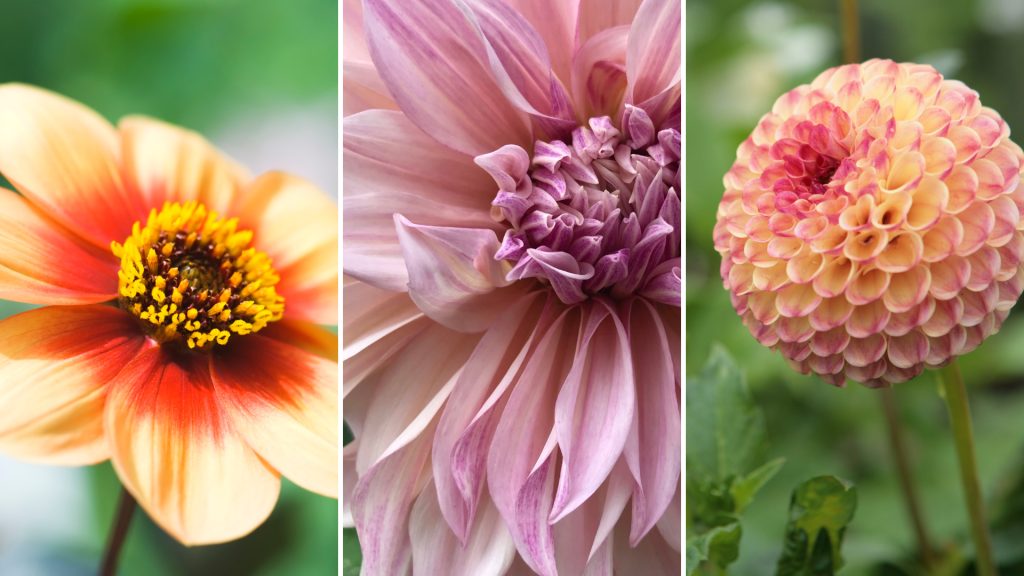
Dahlias offer a diverse array of flower forms: single, double, cactus, semi-cactus, anemone, waterlily, decorative, and ball-shaped blooms. Each variety showcases a unique combination of petals, creating stunning displays.
Colours
Which colour would you like? Dahlias come in an extensive range of colours, including white, yellow, orange, pink, red, purple, and various shades in between. Some varieties even feature bi-colour or multi-coloured petals.
Plant size
Dahlia plants can vary significantly in size, ranging from dwarf varieties that grow to around 30–60cm tall to larger types that can reach 180cm or higher. The size of the flowers can also differ, with some being just a few cm across and others measuring over 30cm.
Growing requirements
Dahlias thrive in full sun, so it's best to plant them in a location that receives at least six hours of direct sunlight per day. They prefer well-draining soil enriched with organic matter. Regular watering is essential, especially during dry spells. Dahlias are typically grown from tubers, planted in spring after the threat of frost has passed.
Maintenance
Aside from regular watering, some varieties may need support from stakes or string cages. Deadheading spent flowers will promote further blooming. If you want those long, straight stems you'll need to be merciless in pinching out the side shoots. In any climate with regular winter frosts, the tubers need to be lifted and stored indoors during the winter to protect them — more on that here.
Are you already a dahlia fan? Do share your favourites with us in The Best Bunch community.
Roz
