growing · November · 4 min read
To Lift or Not to Lift? Your Dahlia Tubers Over Winter
Leave them in or dig them up? Our climate-specific advice on overwintering dahlias without losing your stock.
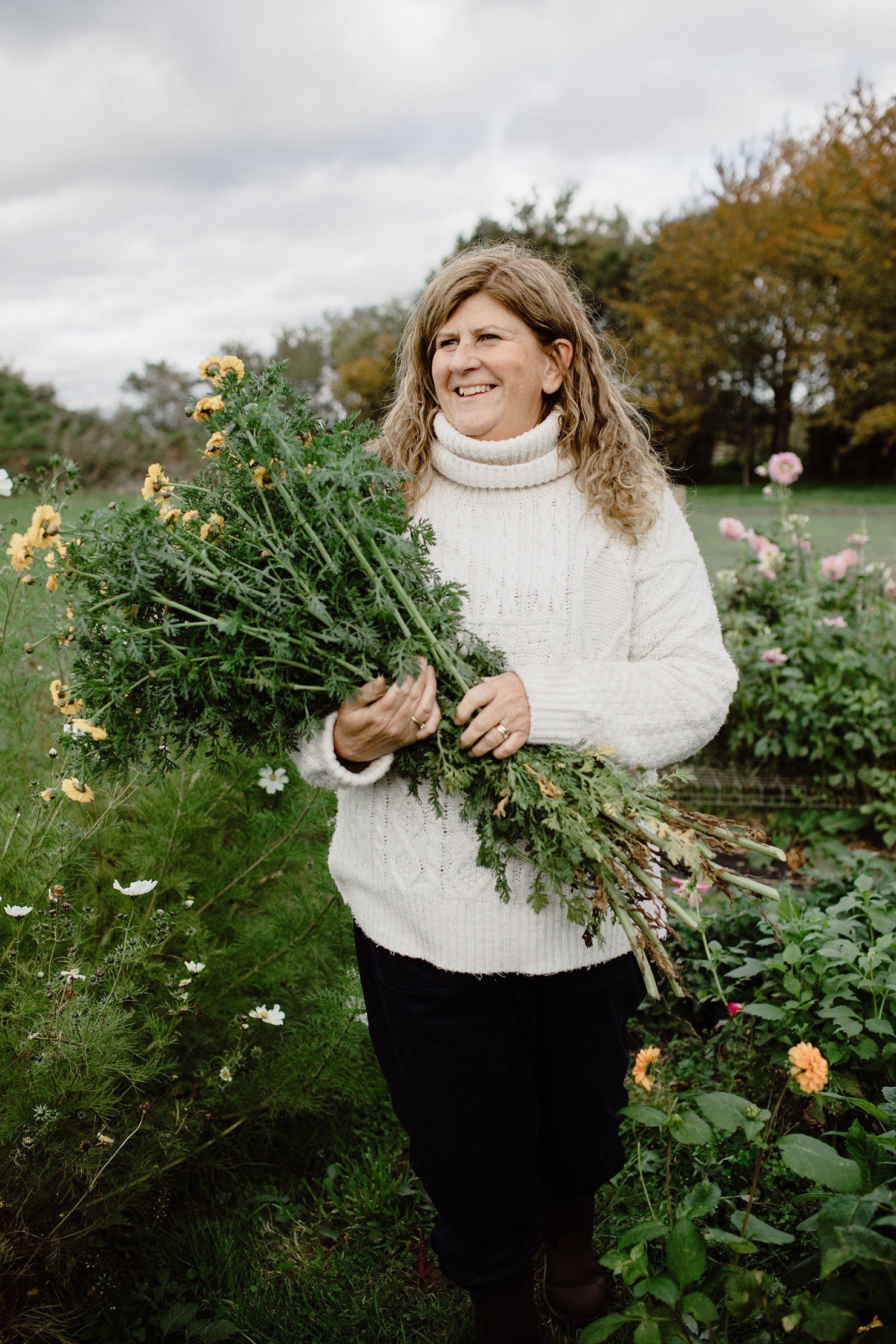
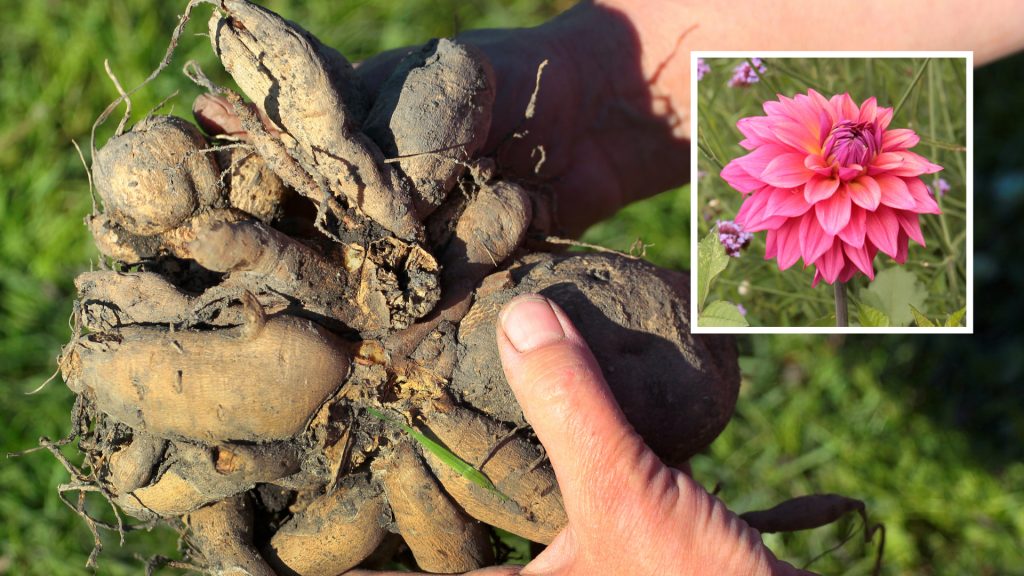

Dahlia foliage will die off in the first frosts of late autumn/early winter. At this point you need to take steps to protect the tubers over winter. You have two main choices: dig them up and store them or cover them snugly to sit out winter in the soil.
For more in-depth information on caring for Dahlias, our Dahlia Masterclass is available to buy for study at any time — contact the team for details.
Digging them up
You may choose to dig up your dahlias if you know you have particularly harsh winters, have varieties you can't bear to lose or if you have hard soil. Dig each one carefully with a garden fork, shaking off as much earth as possible. Cut the stems back to 5–15cm long to avoid rot and trim off any damaged tubers. If you want to split the tubers, do this in the spring when you take them out of storage as any wound is susceptible to infection.
Lay your tubers out on sheets of newspaper or in crates in a warm dry spot for a few days before giving them a final brush off prior to storing. They should be totally dry before moving to storage. Check the tubers for any signs of rot, disease, or damage and discard any damaged or unhealthy tubers.
Label and store
Remember to label each tuber or container of tubers with the variety name and any other relevant information so you can identify them in the spring.
Tubers should be stored over winter in a cool, dry place where the temperature won't drop below freezing. A temperature range of 4–10°C is ideal. You can store them in cardboard boxes or crates filled with dry potting compost, vermiculite, perlite or sand to help maintain a consistent level of moisture around the tubers. Another option is mesh bags filled with the same medium.
Some gardeners wrap tubers individually in plastic wrap or aluminium foil, but this method may restrict airflow so we wouldn't personally recommend it.
Keep an eye on them
Throughout the winter, check your tubers periodically for signs of rot or drying out. If they start to shrivel or feel excessively dry, you can lightly mist them with water. Move them immediately to a drier location if the storage area becomes damp.
Tuck them in for the winter
Your other option for over-wintering is to leave tubers in the ground. The benefit of this is that, if you leave labelled stakes in, you'll know exactly what's coming up where when they start to sprout in spring.
As above, wait until the foliage has died off and then cut down the stems. Simply leaving them in the soil doesn't usually give enough protection unless you live in a very sheltered area. Cover the tops of the tubers (crowns) with 15cm of coarse mulch such as bark chippings, garden compost or straw. At Field Gate we use straw covered with brown cardboard and weighted down or carpet off-cuts that were donated to us. When the temperatures dropped below freezing for a consecutive 10 days in December 2022, we were very glad that we'd taken all these precautions. Nearly all our covered tubers survived the winter.
To lift or to cover?
If you have a lot of dahlia plants, you may choose to lift just some of them and leave the rest in the ground. Our covered tubers made a strong comeback in the spring of 2023 but that long cold spell was the end for most of our stored tubers (we were not alone — there were many tales of rotting tubers in storage over the 2022-23 winter). You win some, you lose some, so both lifting and covering is a good way to hedge your bets.
The spring comeback
In mid-spring, usually after the last frost in your area, you can replant the tubers in your garden or cutting path and uncover those left in the soil. Before re-planting, inspect them again for any issues and remove any unhealthy parts.
In colder regions, you can start dahlias indoors in pots or crates a few weeks before the last frost. This can give them a head start on the growing season.
Remember that the specific timing for digging up and replanting dahlias may vary depending on your local climate, so adjust your schedule accordingly.
Roz
Want a structured year-long growing programme? Seed to Vase covers dahlias in detail, or join The Best Bunch Membership for monthly masterclasses and a thriving grower community.
