business · May · 8 min read
E-commerce for Flower Farmers: What to Sell Online, What Not To
Not everything you grow belongs in your online shop. Here's what works, what doesn't, and how to build a flower e-commerce system that actually makes money.
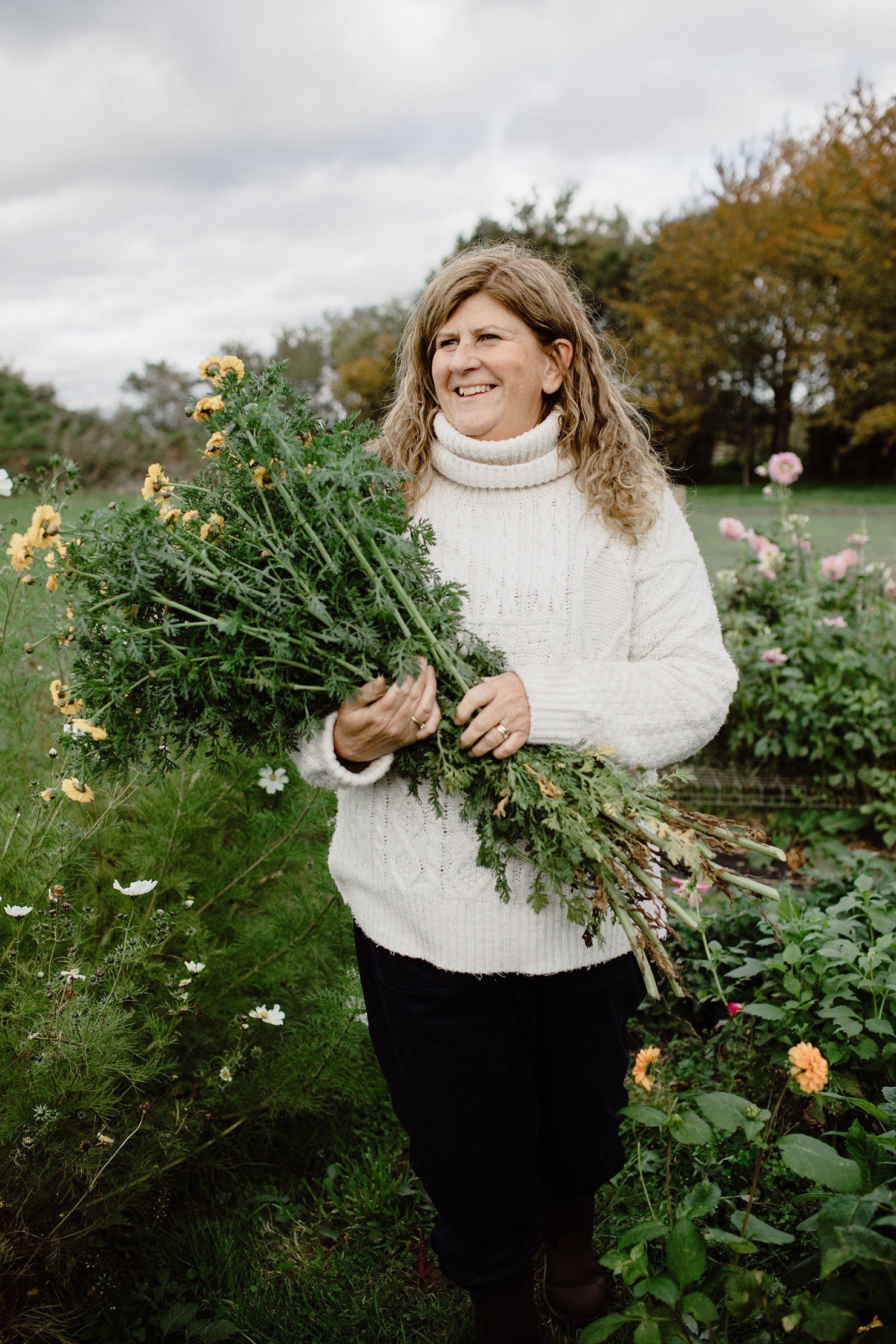

Every week someone emails me to say they are launching a flower farm shop online and asks which platform I recommend. My first question back is always: what are you going to sell? Because the truth is, most fresh flowers are terrible products for e-commerce. They bruise, they wilt, they arrive crushed, and then you spend hours refunding angry customers. I have watched dozens of growers lose thousands of pounds in their first year of online selling, not because they grew bad flowers, but because they tried to sell the wrong things in the wrong way. If you want to make money online, you need to be ruthlessly selective about what you list and brutally honest about the costs.
Why E-commerce Looks Easy but Rarely Is
Setting up a Shopify or Squarespace shop takes an afternoon, and suddenly you feel like a proper business. Low barriers to entry fool growers into thinking it is simple. You upload some photos, write a few product descriptions, share the link on Instagram, and wait for orders to roll in.
But packaging, logistics and customer service eat profit margins faster than you can say "dispatch notification". I have spent entire mornings wrapping stems, printing labels, and driving to the post office, only to realise I earned less than minimum wage once I totalled my hours. Most flower farm shops lose money in year one, and many never turn a profit because the sums simply do not add up when you factor in your time at a realistic hourly rate.
The platform fees, payment gateway cuts, and monthly subscription costs all chip away before you even pack a box. Then there is the customer who emails three times asking if her bouquet has arrived, the one who wants a refund because two stems wilted, and the one who did not read the dispatch date and is furious her flowers are not here for tomorrow. E-commerce is a business model, not a marketing tool, and it needs to pay its way.
What Sells Well in a Flower Farm Shop
Subscription buckets with standing weekly orders are the single best product for online flower sales. Customers pay upfront or by direct debit, you grow or buy to exact numbers, and you deliver or dispatch on the same day every week. No guessing, no waste, no chasing payment.
Workshop tickets and course access sell brilliantly online because there is no shipping cost, no packaging, and no risk of damage in transit. I have sold hundreds of Build a Blooming Business course places online, and the margin is incomparably better than selling fresh stems. Gift vouchers redeemable at collection points work well too, especially in the run-up to Christmas and Mother's Day. They generate cash flow immediately, and you fulfil them later when you have more time.
Dried flowers and wreaths with long shelf life are perfect for e-commerce because they can sit in a box for three days without complaint. I know growers who make half their annual income from dried flower sales between October and December, and they can pack orders in the evenings without worrying about wilting. If you are going to sell online, start with things that will not die in the post.
What Absolutely Does Not Work Online
Mixed bouquets sent by courier rarely survive transit well, especially in summer or if the courier leaves them in a van all day. Even with water vials and careful wrapping, stems get crushed, heads snap off, and customers are disappointed. I have tried every packaging hack going, and I still would not send a fresh bouquet by Royal Mail unless I had no other option.
Anything requiring same-day freshness like dahlias and sweet peas is a terrible fit for online sales. These flowers start declining the moment you cut them, and they simply do not have the vase life to survive a courier journey plus a day or two in someone's hallway. Bespoke wedding or event work with complex consultations does not belong in an online shop either, because it needs back-and-forth conversation, mood boards, and site visits. That is relationship work, not transactional e-commerce.
Fresh foliage in summer wilts too fast to make online selling viable. Eucalyptus in January is one thing, but soft-stemmed foliage in July will be mush by the time it reaches your customer. If you cannot guarantee it will look good for five days after cutting, do not list it online.
The Hidden Costs of Selling Flowers Online
Packaging materials for fresh stems cost £2 to £4 per box minimum, and that is before you add water vials, tissue, ribbon, or a gift card. I buy in bulk and I still wince every time I pack an order, because those boxes add up faster than you think. Courier fees eat 30 to 50 per cent of small order values, especially if you offer tracked delivery or next-day service.
Customer service time for order issues and queries is the cost nobody budgets for. Every email takes five to ten minutes to answer properly, and if you are dealing with a complaint or a refund request, that can stretch to half an hour. Payment gateway and website platform monthly fees are another £30 to £100 a month depending on your setup, and they come out whether you make a single sale or not.
Then there is your time. If you spend three hours a week managing your online shop, and you value your time at £15 an hour, that is £45 a week or nearly £200 a month. Add it all up, and you need to be selling a lot of flowers to break even, let alone make a profit. I talk about this in detail on The Cut Flower Podcast, because so many growers do not realise how much their online shop is costing them until they sit down with a spreadsheet.
Systems That Make Flower E-commerce Viable
Click-and-collect eliminates courier costs and damage risk in one move, and it is by far the most profitable way to sell flowers online. Customers order and pay through your website, then pick up from your gate, a farmers' market stall, or a partner location like a cafe or farm shop. You get the convenience of online payment and ordering, but none of the packaging or postage headaches.
Pre-order systems let you grow or buy to exact demand, so you are never left with unsold stock or scrambling to fulfil unexpected orders. I open my online shop for pre-orders two weeks before each dispatch date, close it 48 hours before, and then grow or pick exactly what I need. Subscription models stabilise cash flow and reduce admin per sale, because you are not chasing new customers every single week. One sale generates ten or twenty deliveries, and the customer stays on your books for months.
Automated confirmations and reminders save hours weekly. Set up email sequences that confirm the order, remind customers when to expect delivery, and follow up afterwards asking for feedback or a review. It feels like you are doing customer service, but actually the software is doing it for you.
When NOT to Launch an Online Shop
If you cannot fulfil orders within 48 hours reliably, do not open an online shop. Customers expect fast dispatch, and if you are constantly emailing apologies about delays, you will damage your reputation faster than you can build it. If your product range changes daily and you have no consistent listings, e-commerce is the wrong model. Online shops work best with a predictable, repeatable product range, not a constantly shifting selection of whatever is blooming this week.
If you are already overworked and underpaid, adding an online shop will not solve that problem. It will make it worse. I see growers launch online because they think it will bring in more money, but actually it brings in more work, more stress, and often less profit per hour than their existing sales channels. If your local market is strong and direct sales are easier, double down on what is already working before you add a complicated new channel.
E-commerce is not the answer for every flower farm. Sometimes a simple email list, a WhatsApp group, and a standing order system will make you far more money with far less hassle. Do not launch online because you think you should. Launch because the numbers make sense.
Starting Small and Scaling Sensibly
Test with one product type, preferably subscriptions or dried stems, and see if you can make the economics work before you add fresh bouquets or a full product range. I recommend starting with dried flowers if you are new to online selling, because the margin is better, the shelf life is longer, and the packaging is simpler. Build your email list first, then soft-launch to existing customers who already know and trust you. They will forgive teething problems and give you honest feedback.
Track every cost including your time at a realistic hourly rate, and do not lie to yourself about what things actually cost. If you are spending four hours a week on your online shop and making £60 profit, you are earning £15 an hour before tax. Is that worth it? Only expand online if profit per order exceeds £15 after all costs, because anything less and you are better off selling at a market, to florists, or direct to local customers.
I also recommend growing the best flowers to grow for cutting that suit your climate and soil, because there is no point building an online shop if your product is unreliable or your yield is too low to fulfil consistent orders. Get your growing systems right first, then think about sales channels.
If you want to build a flower business that actually makes money, not just looks pretty on Instagram, my Build a Blooming Business course walks you through pricing, systems, marketing and sales channels that work. It covers e-commerce in detail, including when to launch online, how to structure subscriptions, and what to avoid. I have taught over 600 growers, and the ones who succeed are the ones who get their numbers right from the start. The course includes spreadsheets, templates, and lifetime access to a members' community where you can ask questions as your business grows.
Frequently asked
What is the easiest flower product to sell online as a small grower?+
Subscription posies or buckets for local click-and-collect. You grow to exact numbers, customers collect weekly, no courier costs, no packaging waste, and you build loyal repeat income. It is the lowest-risk way to test flower e-commerce without losing money on logistics.
Can I sell fresh bouquets online and post them nationwide?+
You can, but margins are terrible unless you charge £45 or more per bouquet. Courier costs, specialist packaging, and a high damage rate make it unviable for most small growers. Click-and-collect or local delivery within 10 miles works far better for fresh stems.
Do I need a fancy website to start selling flowers online?+
No. A simple booking system or even a Google Form linked from your social media works for pre-orders and subscriptions. I know growers turning over £20,000 a year on a one-page website with a Stripe payment button. Start simple, prove demand, then invest in a proper flower farm shop later.
How much should I budget for packaging if I sell flowers online?+
At least £2 to £4 per order for boxes, tissue, care cards and water tubes. If you are posting bouquets, add another £1 to £2 for reinforced packaging. These costs add up fast and many growers forget to include them in pricing, which kills profitability before you even start.