growing · May · 7 min read
Biennials for cutting: the often-forgotten secret of a full spring patch
Biennials fill the spring gap when annuals are still establishing. Here is how I sow, overwinter and cut them for serious stem count.
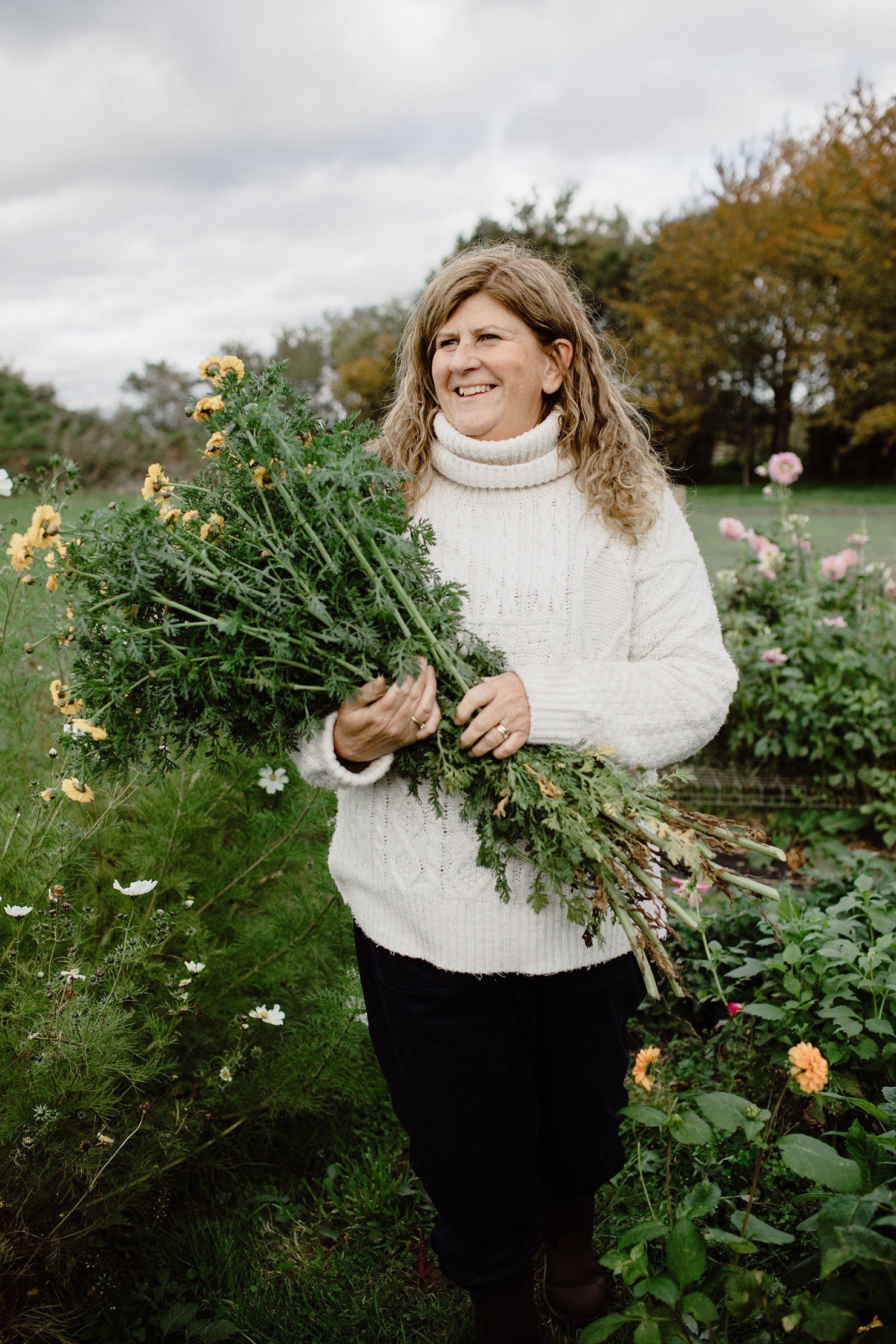

Every April I watch growers panic as their tulip stems thin out and their annuals are still sitting at knee height in the polytunnel. Meanwhile my beds are heaving with wallflowers, sweet williams and foxgloves, all throwing stem after stem for weddings and market buckets. The difference is biennials. They are the workhorses of late spring, they cost almost nothing to grow from seed, and most British flower farmers ignore them completely because the timeline feels strange. I have been growing them for two decades and I cannot imagine a cutting patch without them.
What biennials are and why they matter
Biennials put on leaf growth in their first year, overwinter as rosettes, then flower in their second spring. They bridge the gap between tulips and annuals beautifully, giving you huge stem counts in April, May and early June when your cosmos and zinnias are barely 10 cm tall. That window is gold for weddings, Mother's Day and early market season.
Most growers skip them because the timeline feels long. You sow in summer, grow them on through autumn, overwinter them as young plants, then finally cut stems the following spring. But the return is worth it. A single wallflower plant can give you fifteen to twenty stems over six weeks, and the seed packet costs less than a coffee.
I talk about this gap in the calendar all the time on The Cut Flower Podcast, because it is the single biggest mistake I see new growers make. They load up on annuals and tulips, then wonder why May feels thin. Biennials solve that problem completely.
My favourite biennials for cutting
I grow five types every single year and they pay for themselves ten times over. Wallflowers are first on my list for scent and reliability. The tall varieties like 'Blood Red' and 'Sunset Apricot' give sturdy 40 cm stems and they smell incredible. Sweet williams follow close behind for colour range and vase life. I grow 'Sooty', 'Auricula Eyed Mixed' and 'Nigrescens', and they last 7 to 10 days in arrangements.
Foxgloves give you height and drama. I plant Digitalis purpurea in mixed colours and the stems reach 90 cm to 120 cm, perfect for large urns and statement pieces. Honesty (Lunaria annua) is brilliant for structure in spring bouquets and the seed pods are a bonus crop in autumn. Canterbury bells (Campanula medium) give volume and soft colour, though they need a bit more space than the others.
All of these fit into a no-dig flower bed system beautifully. They root deeply, compete well with weeds once established, and leave the soil in better shape than they found it.
When and how to sow biennials
I sow between May and July depending on the variety and how busy I am. Wallflowers and sweet williams go in first, usually early June. Foxgloves and honesty follow a fortnight later because they grow faster. I sow into modular trays, one or two seeds per cell, and keep them in a shaded cold frame or under the bench in the polytunnel.
Once they have two true leaves I pot them on into 9 cm pots filled with peat-free multipurpose compost. They grow on through summer in a sheltered spot outside, getting watered every couple of days if it is dry. The key is to grow them steadily without letting them get pot-bound or stressed.
Biennials need cool autumn temperatures to vernalise properly. That cold period tells the plant to switch from leaf production to flowering. If you sow too late or keep them too warm, they will not flower the following spring. June sowing, July potting, September planting is my rhythm and it works every time.
Overwintering: what they need to survive
Most biennials survive a British winter without protection as long as drainage is good. Waterlogged soil kills more plants than cold ever does. I plant into raised beds or mounded rows so water drains away quickly, and I mulch lightly with compost in November to keep the worst of the wet off the crowns.
Wallflowers and sweet williams are incredibly tough. I have had them sail through winters that dropped to minus eight degrees Celsius without flinching. Foxgloves are slightly less robust, especially the fancy cultivars, but they still survive most years. Honesty is bombproof and will self-seed everywhere if you let it.
If your soil is heavy clay or you are in a frost pocket, consider planting biennials into a polytunnel bed or covering them with fleece in January and February. But honestly, in most of southern and central England they will be fine outside. I have lost more plants to slugs than to cold.
Spacing, planting out and early care
I plant wallflowers and sweet williams 20 to 25 cm apart in rows 30 cm apart. That spacing gives them room to bush out and makes cutting easier. Foxgloves need 30 cm between plants because they grow bigger and their leaves take up more space. Canterbury bells and honesty get similar spacing to foxgloves.
September or early October is my planting window. The soil is still warm enough for roots to establish before winter, but the air temperature has dropped so the plants do not put on too much soft growth. I plant into prepared beds with a good layer of compost forked through, firm them in well and water thoroughly.
Slugs are the biggest threat in the first fortnight. I go out with a torch after dark and pick them off by hand, or I scatter wool pellets around the plants if I am feeling lazy. Once the plants have rooted in they toughen up quickly. A light feed with liquid seaweed in March gives them a boost as they start flowering.
This whole process is covered step by step in my seed to vase guide, along with timings for annuals and perennials so you can see how everything overlaps through the season.
Cutting and harvest timing
Wallflowers are first to flower, usually early to mid April depending on the spring. I cut them when the first three or four flowers on the stem are open, strip the lower leaves and plunge them straight into deep water overnight. They condition beautifully and last 7 to 10 days in the vase.
Sweet williams and foxgloves follow in May. Sweet williams are ready when half the florets in the head are open, foxgloves when the bottom third of the spike is showing colour. Both need a good overnight drink before arranging. Foxgloves can be a bit floppy if you cut them too young, so wait until they have proper stem strength.
Honesty flowers in late April and I cut it at the same stage as sweet williams. The stems are slightly woody so I bash the ends with a hammer before conditioning. Canterbury bells come last, usually late May into June, and they overlap with the first of the annuals. By then your cutting patch is firing on all cylinders.
These biennials fit perfectly into the wider system I teach in Seed to Vase, where you learn to plan every crop so you have steady supply from March through to October without gaps or gluts.
Common mistakes and how to avoid them
The biggest mistake I see is sowing too late. If you wait until August or later, the plants do not have time to build a strong root system before winter. They go in weak, struggle through the cold months and often fail to flower at all. Aim for June or early July at the latest.
Planting into wet, heavy soil is the other main killer. Biennials hate sitting in waterlogged ground. If your soil is clay, add grit and compost to improve drainage, or mound your beds up by 15 to 20 cm so excess water runs off. I learned this the hard way after losing fifty foxgloves in a wet winter ten years ago.
Finally, not vernalising properly means no flower stems. If you grow biennials in a heated greenhouse or bring them indoors over winter, they will not get the cold period they need. Keep them outside where they can experience proper autumn and winter temperatures. That six to eight weeks below 10 degrees Celsius is what switches them into flowering mode.
If you want to see how biennials fit alongside tulips, annuals and perennials in a full cutting garden, my post on the best flowers to grow for cutting breaks down the whole calendar and shows you which crops to prioritise in your first few seasons.
If you want a proper system for planning, sowing and cutting through every season, my Seed to Vase online course covers biennials in detail, along with annuals, perennials, bulbs and the business of building a cutting patch that actually pays. You get lifetime access, a supportive members' community and my personal feedback on your growing questions. It is the framework I wish I had when I started twenty years ago.
Frequently asked
When should I sow biennials for cutting?+
Sow between May and July. I sow mine in June, pot on in July and plant out in September. Sowing later than July often gives plants that are too small to overwinter well or flower strongly the following spring.
Do biennials need protection over winter?+
Most hardy biennials like wallflowers, sweet williams and foxgloves survive a British winter outdoors without protection, provided drainage is good. I mulch lightly and avoid planting in waterlogged beds. Tender biennials like some stocks may need fleece in cold areas.
Which biennials give the best cut flower yield?+
Wallflowers and sweet williams give the highest stem count per plant. Foxgloves offer drama and height. Honesty and Canterbury bells add structure. I grow all five every year because they fill the spring gap when annuals are still establishing.
Can I grow biennials in pots?+
Yes, but they need big pots, at least 25 cm diameter, and they must stay outdoors through winter to vernalise. I prefer to plant them into beds because it is easier to manage watering and they produce more stems.