business · July · 3 min read
Why You Need to Factor Dried Flowers Into Your Portfolio
Extend your season from 5 months to 12. What to grow for drying, when to cut it, and the four drying methods that actually work.
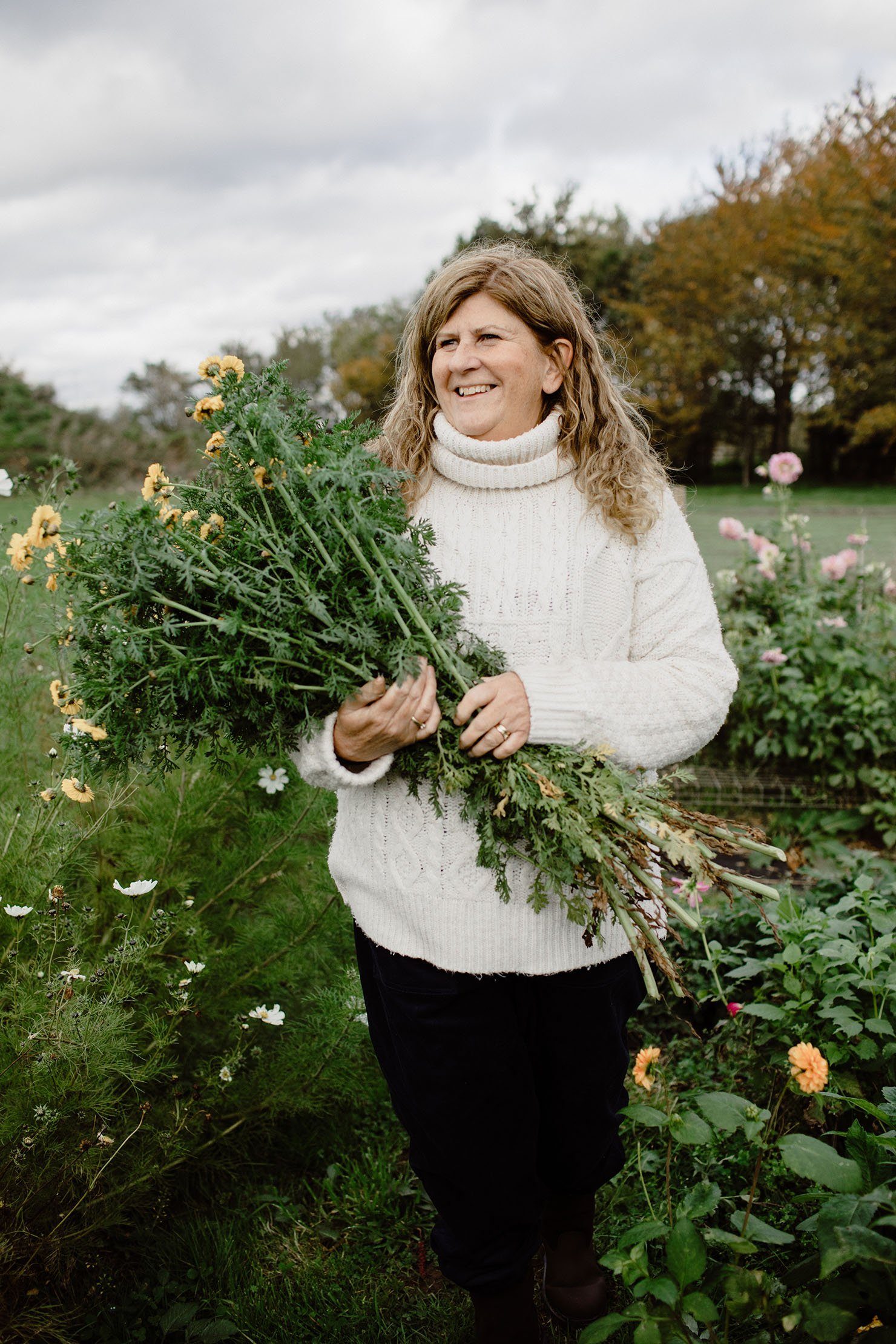

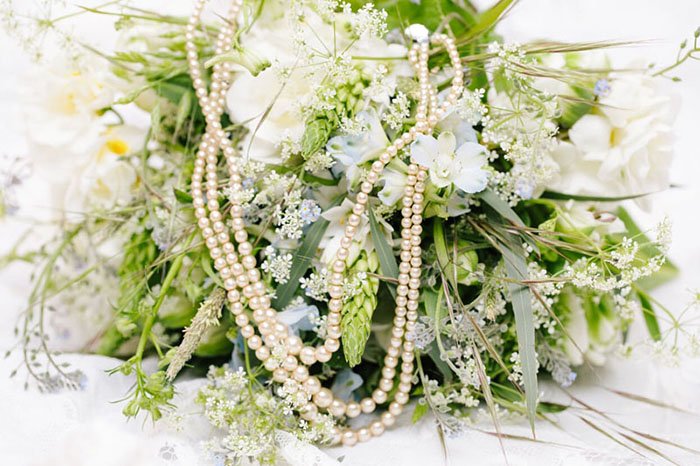
Dried flowers have come a long way since vases of dusty honesty seed heads you may remember as a child. Floral artists such as Bex Partridge are showcasing the variety of ways in which the beauty of flowers can be sustained — and even enhanced — with the right drying techniques and imaginative ways of displaying them.
If you run a floristry or flower growing business, drying blooms is a great way to extend your season. Sell as stems, or incorporate into wreaths and other autumn and winter displays. Don't wait until your plants start to set seed — you need to start cutting when they're at their prime (or just before).
At Field Gate, we've been cutting for drying since early June. Here's our list.
What to grow for drying
- Amaranthus — cut at the base of the stem when flowers are just out.
- Ammi — turns a delicate ivory when dried, and is not readily available to buy, so a good one to add to your collection.
- Echinops — cut when the flowers first appear. Leave too late and they'll go to seed.
- Gypsophila — a great flower for drying. Cut from the base of the stem when most of the flowers are out.
- Helichrysum (Xerochrysum) — papery blooms, made for drying. Cut throughout summer to encourage more flower heads.
- Honesty (Lunaria annua) — pick for the seed heads, when the stem is dry and the pods start to turn lightly brown.
- Hydrangea — cut heads at the base of the stem when flowers are about to turn. Dry by the dehydration method (see below).
- Lavender — pick when in full colour and still looking bright.
- Limonium (Statice) — cut when fully open, leaving stem wings intact. Flowers dry naturally on the stem.
- Nigella — cut when the seed heads have formed but the plant has not started to die off. The seed heads are beautifully delicate and structural.
- Zinnia — cut each stem as the flower blooms and more will follow.
Methods of drying
Air drying — the easiest way. Strip away any excess foliage, secure your stems with an elastic band or string, and hang upside down in a dry, shady spot away from direct sunlight. We hang ours in our workshop on a dolly's-maid airer. Stems will shrink as they dry, so tie them tight enough to keep them together.
Microwave drying — fast, and ideal for preserving single flowers like chrysanthemums. You'll need a microwavable container and some cat litter (or silica gel) as a drying agent. Place the flower on a layer of drying agent and pour more gently over the petals. Heat on low power for 30-second intervals — it should take 2–5 minutes to dry a bloom completely. Stay next to the microwave while it's in operation.
Drying with silica gel — silica gel can be readily bought from craft shops. Gently bury your flowers in a container filled with the gel and leave for a week.
The dehydration method — large robust blooms, like hydrangea, can be dried by leaving them in their vase of water and doing nothing. Once the water has evaporated, the flowers will dry gradually. This method usually takes 2–3 weeks and will help retain more of their fresh-flower vibrancy than if left to dry with air alone. Coloured hydrangeas fare better than white ones.
🎧 For more tips and conversation on growing, cutting and arranging your blooms, subscribe to The Cut Flower Podcast.
Join a community of like-minded flower enthusiasts: The Best Bunch Membership.
Keep reading
