growing · October
What Bulbs Should I Be Planting in the Autumn?
A month-by-month plan for spring-flowering bulbs — tulips, daffodils, alliums, fritillaries and the lesser-known stars.
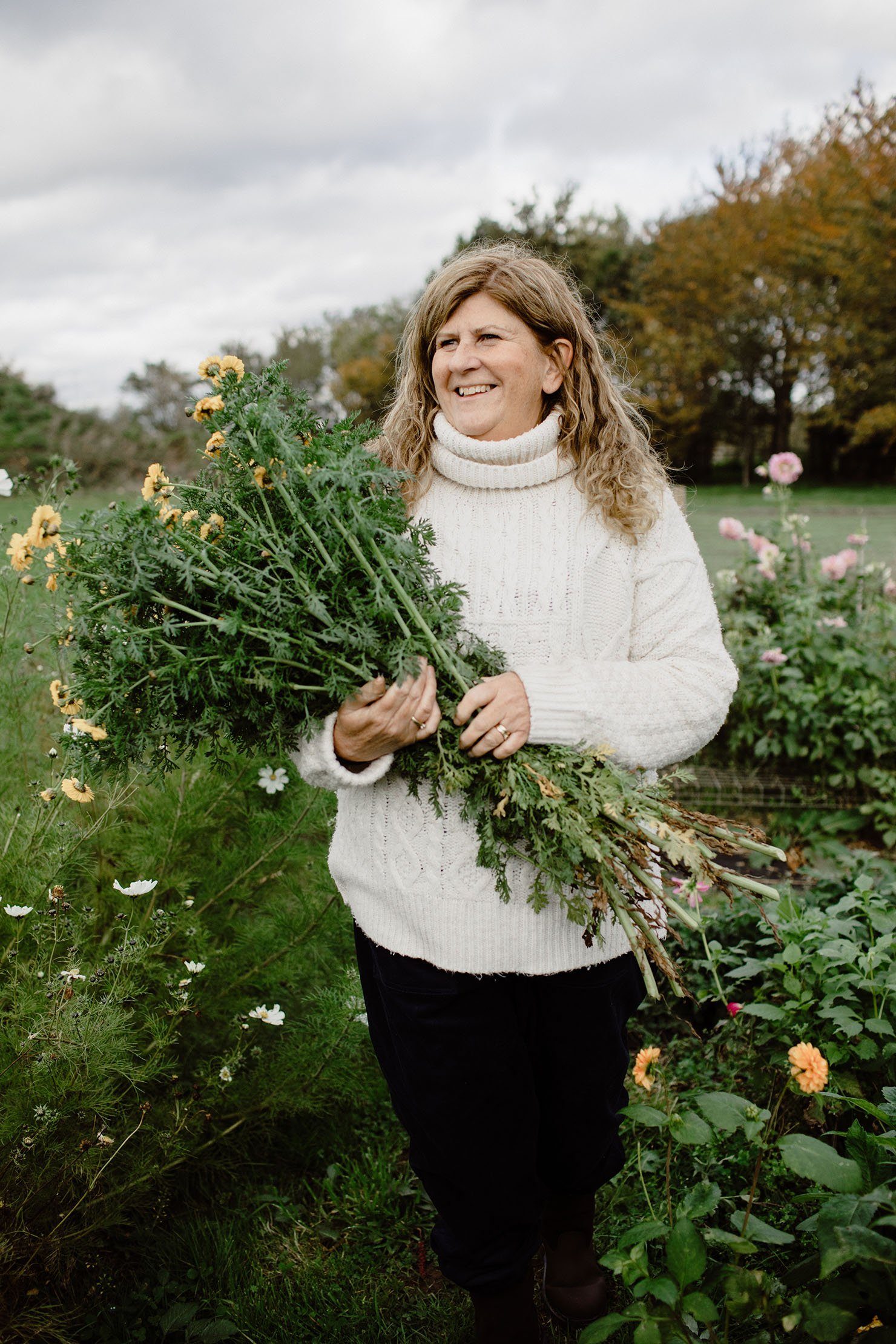

Planting bulbs in the autumn is a great way to ensure beautiful spring blooms in the UK. For most autumn-planted bulbs you'll want to get them in the ground by the end of September, whilst the soil is still warm. The exception is tulips, which should not be planted until temperatures have dropped — tulips do not want to go into warm soil.
Let's start with tulips
Why should you hold off on planting them? In general, the advice for planting tulips is 'do it in November', around the first frost. Planting too early can leave tulip plants particularly susceptible to the fungal disease tulip fire. In 2022 we had an unusually warm November, which meant we couldn't plant our bulbs until the very end of the month and in fact into early December. Consequently, our tulips bloomed later.
Plant your tulips at least three times the depth of the bulb, with the pointed (sprouting) end facing upwards. At the farm, we plant our tulips very close together so that they can support each other as they grow. Think of an egg box and plant them as though each bulb was in one of the egg cups — so very close together but not quite touching. If you're planting lots, remember to leave space for walking between rows when cutting time comes.
If you're planting in smaller numbers for a garden display in beds or in pots, make sure you cluster several bulbs together. Not all of them will come up, and lots together enhance their impact when they flower.
What can we plant right now?
Daffodils (Narcissus). One of the most iconic spring flowers, well suited to the UK climate. There are so many varieties to choose from nowadays, and you can never really have too many — why not try a couple of new varieties this year?
Hyacinth. Known for their strong fragrance and vibrant colours. They can be planted in the ground or forced indoors for early blooms.
Alliums. Come in a variety of sizes and shapes, from small drumstick alliums to large globe-like blooms. Planting several or many together will give you a wonderful display, even if you're not growing them for cutting. Alliums also plant very successfully in containers.
Fritillarias. Species like Fritillaria meleagris (snake's head fritillary) offer distinctive and charming bell-shaped flowers. They're small and delicate — ideal for table decorations or just enjoying in your garden, where they will naturalise if left undisturbed.
Crocus. Early bloomers that add vibrant colours to a garden. Like fritillarias, they're delicate and won't last long after cutting, but perfect for naturalising in lawns or planting in borders and containers.
Bluebells. English bluebells are native to the UK and known for their stunning blue flowers that cover woodland areas. They're a great choice for creating a natural and native feel in your garden and add vibrant colour to small posies or table decorations.
Snowdrops (Galanthus). Delicate white flowers that often emerge even when snow is still on the ground. A welcome sight when it feels as though the winter might go on forever, and lovely for early-spring decorations.
Star of Bethlehem (Ornithogalum umbellatum). At the farm we plant these successively — some in the autumn, more in early spring and more in late spring. This way they can often flower well into November. The bulbs are very cheap to buy and will spread themselves over time.
General guidelines for planting bulbs in autumn
Location. Choose a well-drained spot with appropriate sunlight for the specific bulbs you're planting. Most spring bulbs prefer full sun to partial shade.
Soil. Make sure the soil is well drained to prevent rot. You can improve drainage by adding organic matter to the soil.
Planting depth. Follow the recommended planting depth for each type of bulb. Generally, larger bulbs are planted deeper than smaller ones.
Spacing. Space the bulbs according to the recommended spacing guidelines to ensure proper growth and prevent overcrowding.
The 'lasagne method'. Used when planting bulbs in pots or containers. Choose bulbs with different flowering times and plant them at different depths, one on top of the other, with the latest flowering planted the deepest.
Watering. Water the bulbs after planting to help settle the soil. After that, you generally won't need to water much until they start actively growing in the spring.
Mulching. Applying a layer of mulch after planting can help protect the bulbs during the colder months and provide some insulation.
Remember that the specific planting times and depths can vary depending on the type of bulb and your specific location within the UK. It's always a good idea to refer to the packaging or consult with local gardening organisations for precise instructions. Happy planting.
