growing · March · 6 min read
Why Pinching Out Annuals Makes or Breaks Your Cutting Patch
Pinching out is the single most important job you will do in your cutting patch. Skip it and you will get tall, single-stemmed flowers. Do it right and you will harvest for months.
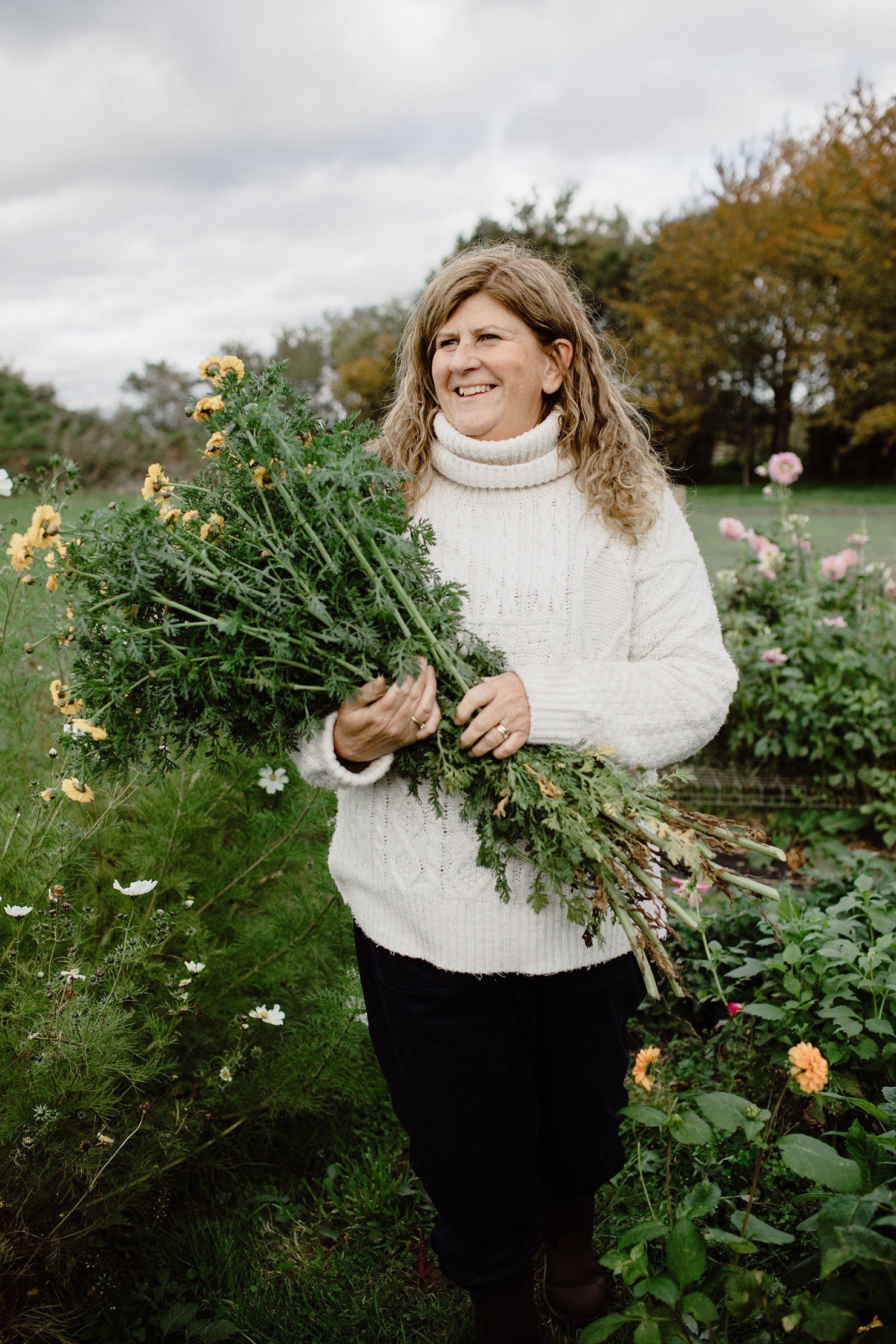

I have watched hundreds of growers plant out beautiful healthy annuals, feed them religiously, water them perfectly, then stand baffled when each plant produces three or four spindly stems and gives up by July. The missing step? They never pinched. One ten-second snip per plant in May would have given them fifty stems instead of five, stronger stems instead of floppy ones, and flowers until the frosts instead of a brief June flush. Pinching out annuals is not optional if you want a proper cutting patch. It is the single technique that separates a disappointing bed from a productive one, and most growers simply do not do it.
What pinching out actually means
Pinching out means removing the growing tip of a young plant, just above a leaf node. You take out the top few centimetres of stem, usually with your thumb and forefinger, though clean snips work too. The plant responds by waking up the dormant buds in the leaf axils below, forcing side shoots to develop instead of one tall central stem. It takes ten seconds per plant. That is it. No special tools, no complicated timing charts, just a quick nip when the plant is young and eager to grow. The result is a bushier plant with multiple flowering stems instead of a single leader that blooms once and collapses.
Why pinching matters more than feeding or watering
A single-stem annual exhausts itself fast. It puts all its energy into one flowering spike, sets seed, and considers the job done. A pinched plant, by contrast, produces five to ten times more stems over the season because each side shoot becomes a flowering stem in its own right. You also get stronger stems with better vase life, because branched plants develop thicker, woodier tissue to support all that extra growth. The harvest window stretches from weeks to months. I have seen the difference on my own farm year after year: twenty stems from an unpinched row versus two hundred from the same number of plants, same variety, same soil, same care. The only variable was that ten-second pinch in May.
This is not about fussing over your plants. It is about basic economics. If you are sowing seed, potting on, planting out, watering, and weeding, you might as well get ten times the return for ten seconds of extra work. I talk about this constantly on The Cut Flower Podcast because it is the one technique that pays back more than any other intervention in the cutting patch.
Which annuals need pinching (and which do not)
Cosmos, zinnias, celosia, rudbeckia, and snapdragons all benefit hugely from pinching. These are naturally branching plants, but they need the trigger of losing their growing tip to really get going. Ammi, orlaya, and nigella also respond well, though they branch more readily on their own. I pinch them anyway because it keeps the plants compact and stops them flopping before they flower.
Sunflowers and larkspur do not branch, so pinching them is pointless. You will just delay flowering and weaken the plant. Single-stem annuals like these need different treatment: dense spacing, succession sowing, and a ruthless approach to harvesting. Dahlias need pinching too, but it is a different process because you are working with tubers and established plants rather than seedlings. I cover dahlia pinching separately in my best flowers to grow for cutting post, because the timing and technique vary.
When to pinch: the secret timing window
Pinch when plants have four to six true leaves and stand about 10 to 15 cm tall. True leaves, not the first seed leaves (cotyledons). You want the plant established enough to cope with the shock but young enough to respond with vigour. Too early and you set them back; too late and you lose the first flush of flowers without gaining enough extra stems to make up for it.
For March sowings in the polytunnel, that usually means late April or early May here in Buckinghamshire. April sowings get pinched in late May or early June. Direct-sown plants in the open ground are often ready by mid-June if the weather has been kind. The exact timing depends on your climate, your sowing date, and how fast the variety grows, but the visual cue stays the same: four to six true leaves, sturdy little plant, actively growing. If you are following a structured sowing plan like the one in my Seed to Vase guide, you can mark pinching dates on the same calendar so nothing gets missed.
How to pinch without breaking the plant
Use clean fingers or sharp snips and remove the growing tip just above a leaf pair. I favour fingers for small plants because you can feel what you are doing and it is faster. For tougher stems like celosia, snips give a cleaner cut. Take out the top two to three centimetres, no more. You are not pruning hard; you are just removing the apical bud that is suppressing the side shoots.
Do it in dry weather if possible, so the wound heals fast and does not invite infection. I go through the polytunnel beds in the morning after the dew has dried, working my way along each row. If plants are in modules waiting to be planted out, I pinch them the day before transplanting so they go into the ground already triggered to branch. It is one less thing to remember once they are in the cutting patch.
What happens after you pinch
The plant pauses for seven to ten days while it redirects energy to the lower buds. You will see it visibly slow down, and if you are impatient like me, you will worry you have broken it. You have not. Within a fortnight, multiple side shoots emerge from the leaf axils below the pinch point, each one growing strongly. First flowers are delayed by about two weeks compared to an unpinched plant, but the total harvest is multiplied many times over because every side shoot flowers.
Keep feeding after pinching. These plants are working harder, producing more foliage and more stems, so they need consistent nutrition. I top-dress with blood, fish, and bone after pinching and again in midsummer. If you are growing in pots or poor soil, a weekly liquid feed makes a visible difference. The point is that pinching is not a one-off trick; it is the start of a more intensive relationship with the plant. You are asking it to do more, so you have to support it properly.
Common pinching mistakes I see every year
Not pinching at all is the most common mistake by a mile. Growers either do not know about it, do not believe it matters, or mean to do it and forget. The second most common error is pinching too low, removing half the plant instead of just the tip. You want to leave plenty of foliage to fuel regrowth. If you take out too much, the plant sulks for weeks and you lose more time than you gain in branching.
The third mistake is pinching flowers that do not branch. I have seen people pinch sunflowers, larkspur, even sweet peas (which need a different approach entirely). If the variety is naturally single-stemmed, pinching just delays flowering and reduces your harvest. Check the plant type first. If you are not sure, the Seed to Vase online course includes a reference chart of which annuals to pinch, which to leave, and which need special handling.
Pinching is just one of the techniques that transforms a hobby bed into a proper cutting patch. If you want the full picture (sowing dates, spacing, succession, harvesting, conditioning, the lot), my Seed to Vase online course covers everything I have learned in twenty years of growing flowers. You get lifetime access, a members' community, and my personal feedback on your questions. It is the course I wish I had when I started.
Frequently asked
Does pinching out annuals delay flowering?+
Yes, by about two weeks. But you will harvest five to ten times more stems over the season. The first flush is smaller but the plant keeps producing for months instead of exhausting in three weeks. It is always worth the wait.
Can I pinch cosmos after they have started flowering?+
You can, but the benefit is smaller. Pinch cosmos when they are 10 to 15 cm tall with four to six leaves for the best branching. If you missed the window, deadhead aggressively instead to encourage more buds on existing branches.
Do all cut flowers need pinching out?+
No. Sunflowers, larkspur, delphiniums and most bulbs do not branch, so pinching achieves nothing. Focus on annuals like cosmos, zinnias, celosia, snapdragons, rudbeckia and most tender perennials. Dahlias need pinching too but at a different stage.