growing · April · 6 min read
Growing zinnias: the late-summer workhorse every cutting patch needs
Zinnias are the hardest-working flowers in my cutting patch from July to October, and they are ridiculously easy to grow if you follow a few simple rules.
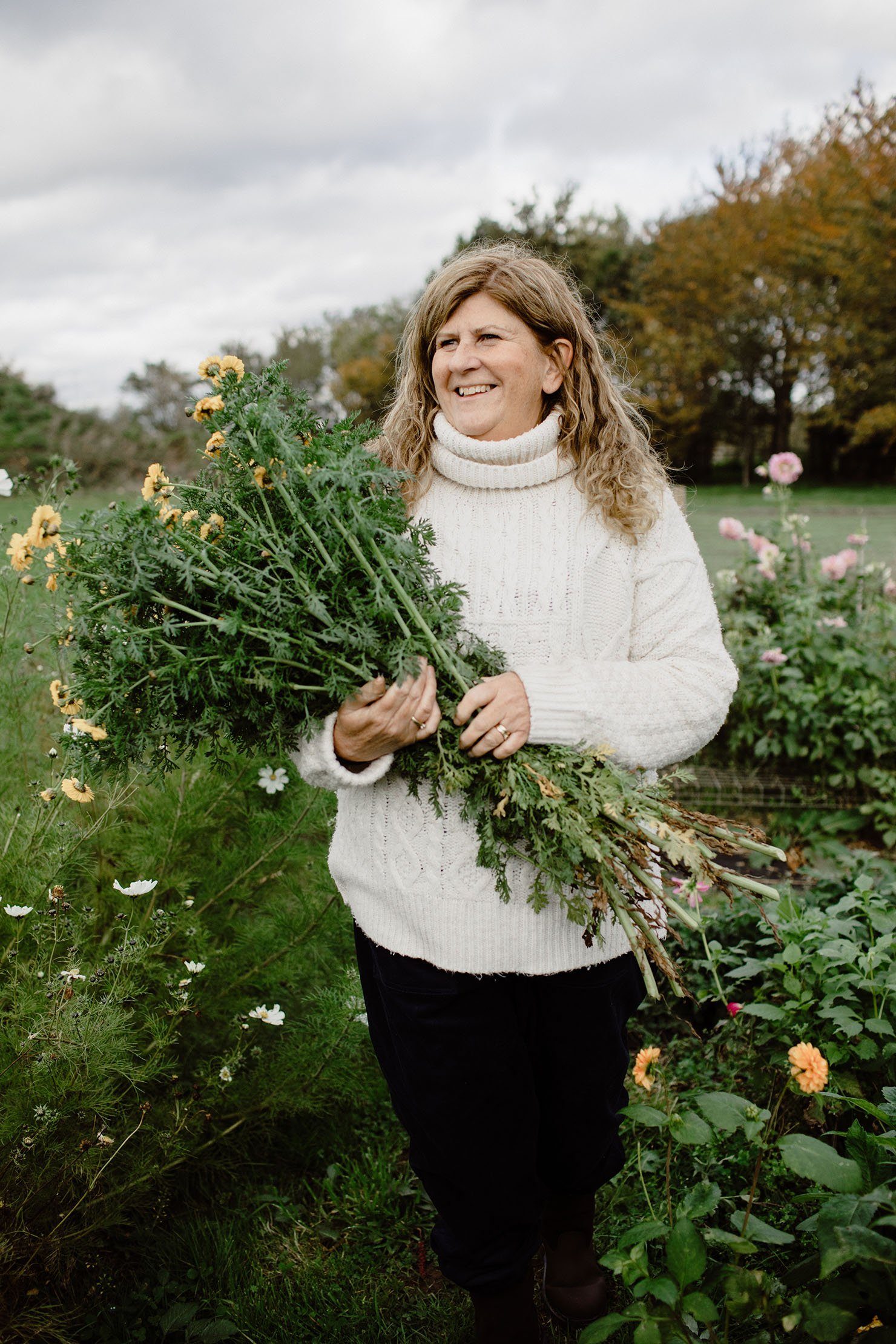

Zinnias are the flower I rely on when everything else has had its moment and the cutting patch needs serious colour again. They arrive in late July when the sweet peas are tired, the spring bulbs are long finished, and the dahlias are still getting going. I grow them every single year without fail, and if I could only pick five annuals for a small cutting patch, zinnias would make the list. They are straightforward, they produce buckets of stems, and customers never get bored of them.
Why I grow zinnias every single year
Zinnias fill that awkward late-summer gap when spring flowers have faded and autumn bloomers have not quite hit their stride. I count on them for volume during August and early September, when wedding and event work picks up and I need reliable stems in quantity. They are prolific in a way that few other annuals manage, often producing a dozen or more flowers per plant if you keep cutting.
The vase life is excellent, typically seven to ten days, and they hold up well in mixed bouquets alongside dahlias, rudbeckia, and grasses. Customers love the bold, saturated colours and that dahlia-like form, which gives a lush, generous look without the dahlia price tag or the slug damage. I have never met anyone who dislikes zinnias, and that reliability makes them a commercial workhorse I cannot do without.
Choosing varieties: Benary's Giant every time
I grow Benary's Giant series almost exclusively, because the stem length and flower size are exactly what I need for cutting. The stems regularly reach 75 to 90 cm in good conditions, and the blooms are large, full, and hold their petals well. I particularly rate Benary's Giant Coral, Salmon Rose, and Lilac for mixed bouquets, because they blend beautifully with almost everything else in the cutting patch.
I avoid pompom and button types for commercial work. They are charming, but the stems are shorter, the flowers smaller, and they do not have the impact I want in a hand-tied bouquet or a jam jar on a wedding table. If you are growing purely for your own pleasure, by all means try the novelty types. For selling, stick to Benary's Giant, and you will not go wrong. I discuss variety selection in more detail on The Cut Flower Podcast, where I have covered zinnias several times with other growers who swear by them.
Sowing timing and succession for continuous blooms
I sow my first batch indoors in modules in late March or early April, aiming for flowers in mid to late July. Zinnias need warmth to germinate reliably, so I keep them on a heated bench at around 18 to 20°C until they are up. They grow fast once the weather warms, and I transplant them into the polytunnel or outside after the last frost, usually mid to late May here in Buckinghamshire.
Succession sowing is essential if you want continuous blooms through August and September. I sow another batch every three weeks until mid-June, which gives me overlapping flushes and prevents that horrible gap when everything stops at once. Some growers direct sow in late May or early June, and that works fine if your soil is warm and you have good weed control. I prefer modules because I can manage spacing precisely and I do not lose plants to slugs or cold, wet spells in spring.
If you are new to succession sowing, my seed to vase guide walks through the whole concept with sample timelines for different flower types. It is one of those skills that transforms your cutting patch once you get the rhythm right.
Growing conditions zinnias actually need
Zinnias are sun worshippers, plain and simple. They need full sun to perform properly, and they absolutely sulk in shade. I plant them in the sunniest part of my polytunnel or in the open ground where they get at least six hours of direct light. Anything less, and you will see weak stems, smaller flowers, and a general lack of enthusiasm.
Spacing matters more than most growers realise. I plant at 23 cm apart in staggered rows, which gives good air flow and encourages strong, straight stems. Crowding them might seem like a way to fit more plants in, but it leads to powdery mildew, floppy stems, and a miserable picking experience. Trust me, proper spacing pays off in both stem quality and plant health.
Zinnias hate cold, wet soil, which is why I never rush to plant them out. If the ground is still cold in mid-May, I wait another week or even two. They will catch up fast once the soil warms, and you avoid that stunted, sulky growth that comes from planting too early. In the polytunnel, I can get away with slightly earlier planting, but even there I watch the temperatures and hold back if it is unusually cold.
Cutting technique and how to keep them producing
I cut zinnias when the flowers are fully open, not in bud. Unlike some flowers that you can cut tight, zinnias do not open well in the vase if you take them too early. Wait until the petals are fully unfurled and the flower looks perfect on the plant, then cut. You will get better vase life and a more reliable product for customers.
Regular cutting is what keeps zinnias pumping out more stems. Every time you cut a flower, the plant responds by producing more side shoots, which means more flowers. I aim to cut at least twice a week during peak season, which keeps the plants productive and prevents them from setting seed and slowing down. It is the same principle as deadheading, but you get beautiful stems instead of a compost heap of spent blooms.
Deadheading versus cutting for the vase is a non-issue with zinnias, because cutting for the vase is deadheading. You do not need to do both. Just keep cutting, and the plants will keep flowering. If you are growing zinnias as part of a broader cut flower rotation, my best flowers to grow for cutting post covers how zinnias fit into a balanced annual mix.
Common mistakes and how to avoid them
Powdery mildew is the single biggest problem I see with zinnias, and it nearly always comes down to overhead watering or crowded planting. Water at the base of the plants, ideally in the morning, and make sure they have enough space for air to move through. If you do see mildew starting, cut out the worst affected leaves and increase spacing next year. I have never needed to spray for it, because good cultural practices keep it under control.
Leggy stems usually mean you sowed too early or did not give the seedlings enough light. Zinnias need strong light from the moment they germinate, so if you are growing them indoors, put them right under the grow lights or on the brightest windowsill you have. Weak, stretched seedlings never really recover, so it is worth getting this right from the start.
Zinnias sometimes stop flowering in late summer, which panics growers who think the plants are finished. Usually, it is because you have not been cutting regularly, and the plants have set seed and decided their job is done. The fix is simple: cut everything, even if some stems are not quite perfect, and give them a light feed. Within ten days to two weeks, you will see new buds forming. I cover this and other troubleshooting tips in the Seed to Vase online course, where we go deep on managing common problems before they derail your season.
If you want a proper step-by-step framework for growing zinnias and every other cut flower that matters, my Seed to Vase online course is exactly that. I cover sowing, spacing, timing, succession planning, pest and disease management, and how to cut and condition for maximum vase life. You also get access to our members' community and my personal feedback on your growing questions. It is the course I wish I had when I started twenty years ago.
Frequently asked
When should I sow zinnia seeds in the UK?+
I sow my first batch indoors in modules in late March or early April, then succession sow every three weeks until mid-June. Zinnias hate cold soil, so do not be tempted to sow earlier. You will only get damping off and slow germination. They grow fast once the weather warms.
Which zinnia variety is best for cut flowers?+
Benary's Giant is the only series I grow now. The stems are long, around 90cm to 120cm, the flowers are large and the colours are clean. I particularly love Salmon Rose, Coral, Wine and Lime. Avoid the short pompom types, they are pretty but useless for arranging.
How do I keep zinnias producing flowers all summer?+
Cut them hard and cut them often. Every stem you harvest forces the plant to produce more side shoots. I cut when the flower is fully open, not in bud, and I take a long stem down to the next set of leaves. Feed every two weeks with a liquid tomato feed once they start flowering.