floristry · August
Flowers Suitable for Drying
The dozen cuttings that reward a minute's work with a year of beauty.
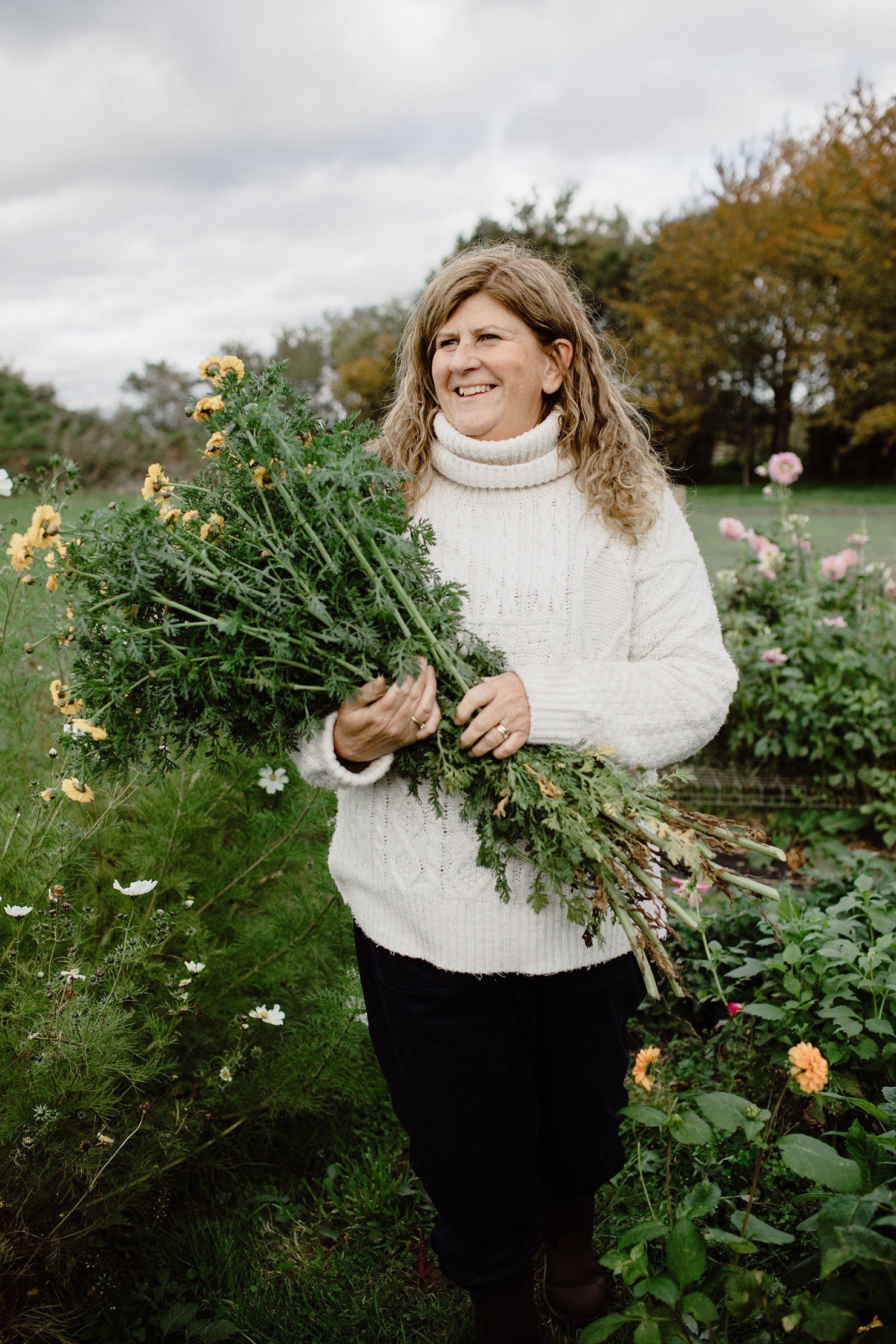
Drying flowers is a wonderful way to preserve their beauty and enjoy them for an extended period. If you're running your cutting patch as a business, it's also the perfect way to extend the availability of blooms and open up opportunities for selling dried flower arrangements and running workshops.
Not all flowers that you grow for cutting will be suitable for drying. When choosing flowers for drying, it's important to select varieties that hold their shape and colour well during the drying process. Harvest your blooms on a dry, sunny day, ideally in the late morning after the dew has evaporated. Look for flowers that are just before their full bloom stage — many will continue to open as they dry.
My favourite flowers for drying
Achillea. There are hundreds of varieties, but 'Parker' is best as it retains its yellow colour.
Amaranthus. Cut these at the base of the stem when flowers are just out and before going to seed. Amaranthus caudatus (love lies bleeding) is particularly striking, both fresh and dried.
Ammi. These turn to a delicate ivory colour when dried. Not easily available, so great to do.
Common teasel. Gather these at the end of summer. They have beautiful rich honey tones and are the easiest to dry.
Dahlias. The pom-pom varieties work best for drying. You'll need to tie them individually and hang upside down from a frame.
Echinops. Cut when the flowers first appear. Leaving it too late means the plant will go to seed.
Eucalyptus. Worth preserving for its lovely scent and attractive grey-blue colour.
Gypsophila. Beautifully delicate once dried. Cut from the base of the stem when most of the flowers are out and hang upside down to dry.
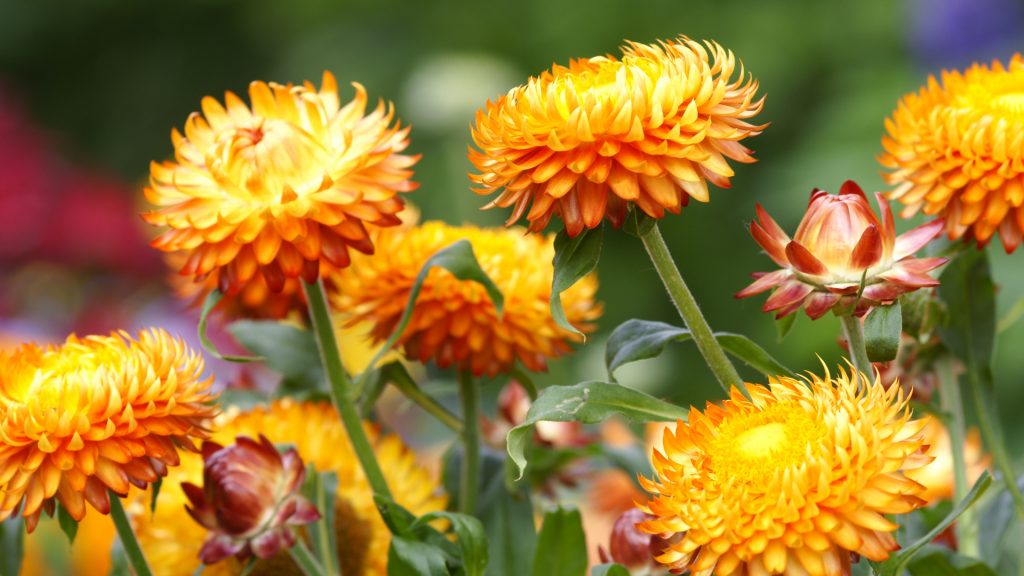
Helichrysum (strawflower). Maintains its vibrant colours and shape when dried. Cut before the blooms open up to reveal their yellow centre. Cut throughout the summer and you'll be rewarded with more.
Honesty (Lunaria annua). Pick when the stem is dry and seed heads start to turn lightly brown.
Hydrangea. Cut the heads at the base of the stem when flowers are just about to turn (they should begin to feel papery) and dry in a vase or hanging upside down.
Lavender. A list of dried flowers wouldn't be complete without lavender. Pick when in full colour and it will dry beautifully and retain its scent.
Limonium (statice). Cut when fully in flower, leaving stem wings intact. Comes in various colours and has a papery texture that holds up well when dried.
Rosemary. Adds fragrance to dried arrangements but also holds its shape and colour when dried.
Roses. Can be air-dried or dried using desiccants like silica gel. Whether picked as a bud or slightly open, they maintain their shape and colour.
Sunflowers. Sunflower heads can be dried and used for decorative purposes. Hang upside down to dry and they'll retain their cheerful appearance.
Zinnia. 'Cut and come again' flowers — don't worry about cutting them at the height of their display. Cut when in bloom or just coming into bloom, ideally early morning. Zinnias will reduce in size by a third to a half when dried and their colour will usually darken.
General notes on drying
Patience is key. Drying can take one to three weeks depending on the bloom and the conditions. You'll know they're ready when stems snap cleanly. Once fully dried, they can be displayed as is, or used in wreaths, arrangements, or even as a natural potpourri.


