growing · July · 1 min read
Biennials — Why They're Worth the Wait
Sweet williams, foxgloves, wallflowers and honesty — why biennials earn their spot in any serious cutting patch.
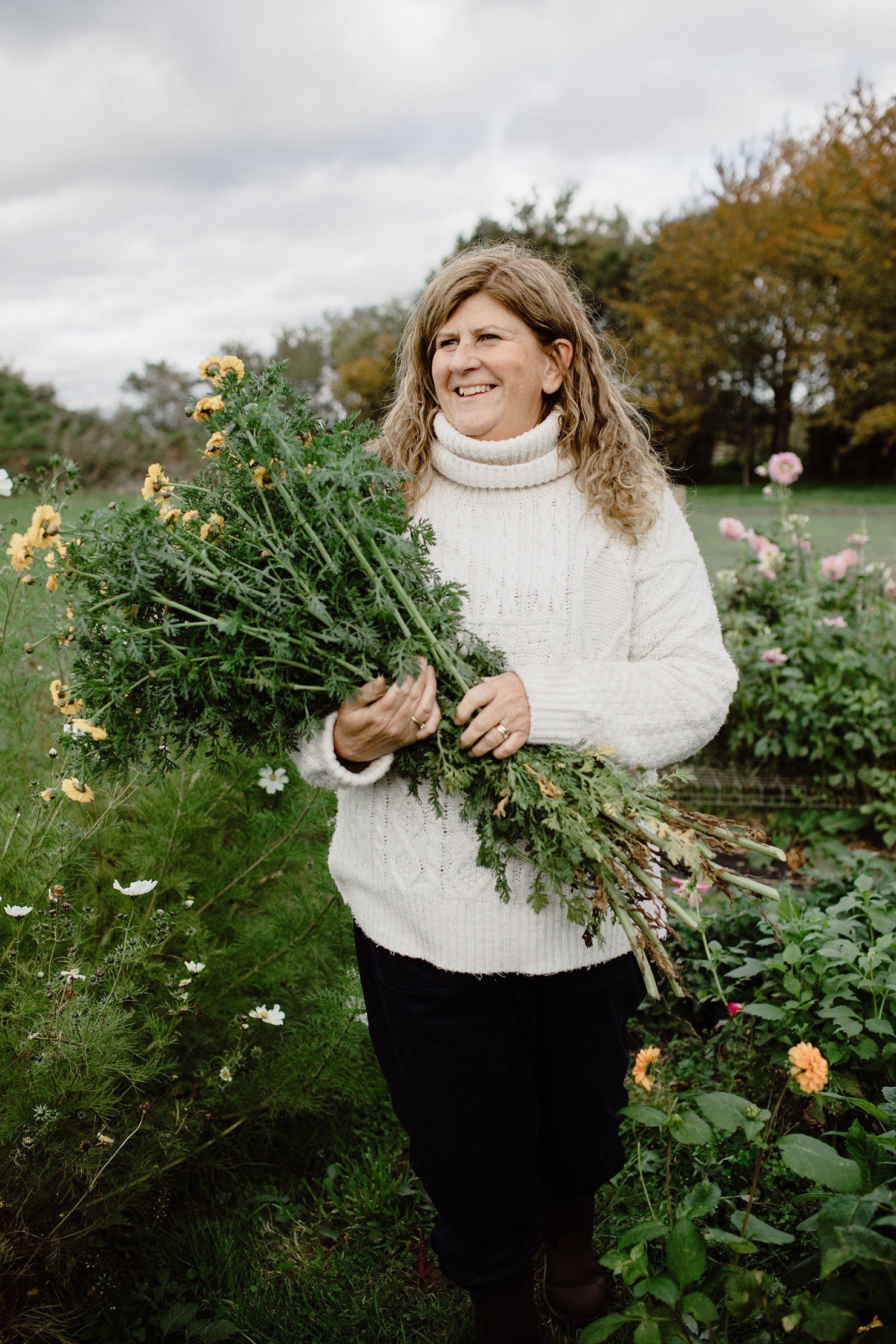


Biennials. The flowers that reward patience — and absolutely earn their spot in any serious cutting patch.
A biennial is a plant that spends its first year making roots, leaves and a strong crown, then flowers, sets seed and dies in its second year. On a cutting patch that translates into: sow now, pick armfuls next summer.
Why grow biennials at all?
The simple answer: they fill the 'hungry gap' between late spring bulbs and the first wave of hardy annuals. In May and June your patch needs biennials, or it's bare.
The deeper answer: the biennial crops are some of the most romantic, scent-heavy, long-stem flowers you can grow in a UK garden. Sweet williams. Foxgloves. Wallflowers. Honesty. Iceland poppies. Sweet rocket.
My four essential biennials
1. Sweet williams (Dianthus barbatus) — sow June/July, plant out autumn, pick the following May–June. Scented, long-lasting, come in gorgeous dark reds through to purest white.
2. Foxgloves (Digitalis purpurea and D. ferruginea) — sow June/July, overwinter as a rosette, flower spectacularly in June. 'Sutton's Apricot' is a wedding-florist favourite.
3. Wallflowers (Erysimum cheiri) — sow May/June, plant out early autumn, fill your spring with scent. The old cottage-garden varieties still earn their space.
4. Honesty (Lunaria annua) — grow once, seed around forever. Lovely mauve or white spring flowers, then translucent silver seed-pods for dried arrangements.
How to grow them
- Sow in June/July, in modules, in a shaded spot.
- Pot on as they grow. Most biennials make substantial crowns by October.
- Plant out September/October into their final positions.
- Protect from slugs over winter — wool pellets or copper rings.
- Pick the following May/June. Hard cut. Most biennials will throw a second flush if you keep up with it.
For a month-by-month guided year on the patch, join The Best Bunch Membership. Or work through the full system in the Seed to Vase course.
