seasonal · February · 6 min read
February Flowers UK: Narcissi, Anemones and Early Spring Blooms
February brings the first proper flush of British-grown flowers: narcissi, anemones, pussy willow and early tulips. Here is what to look for and why seasonal matters.
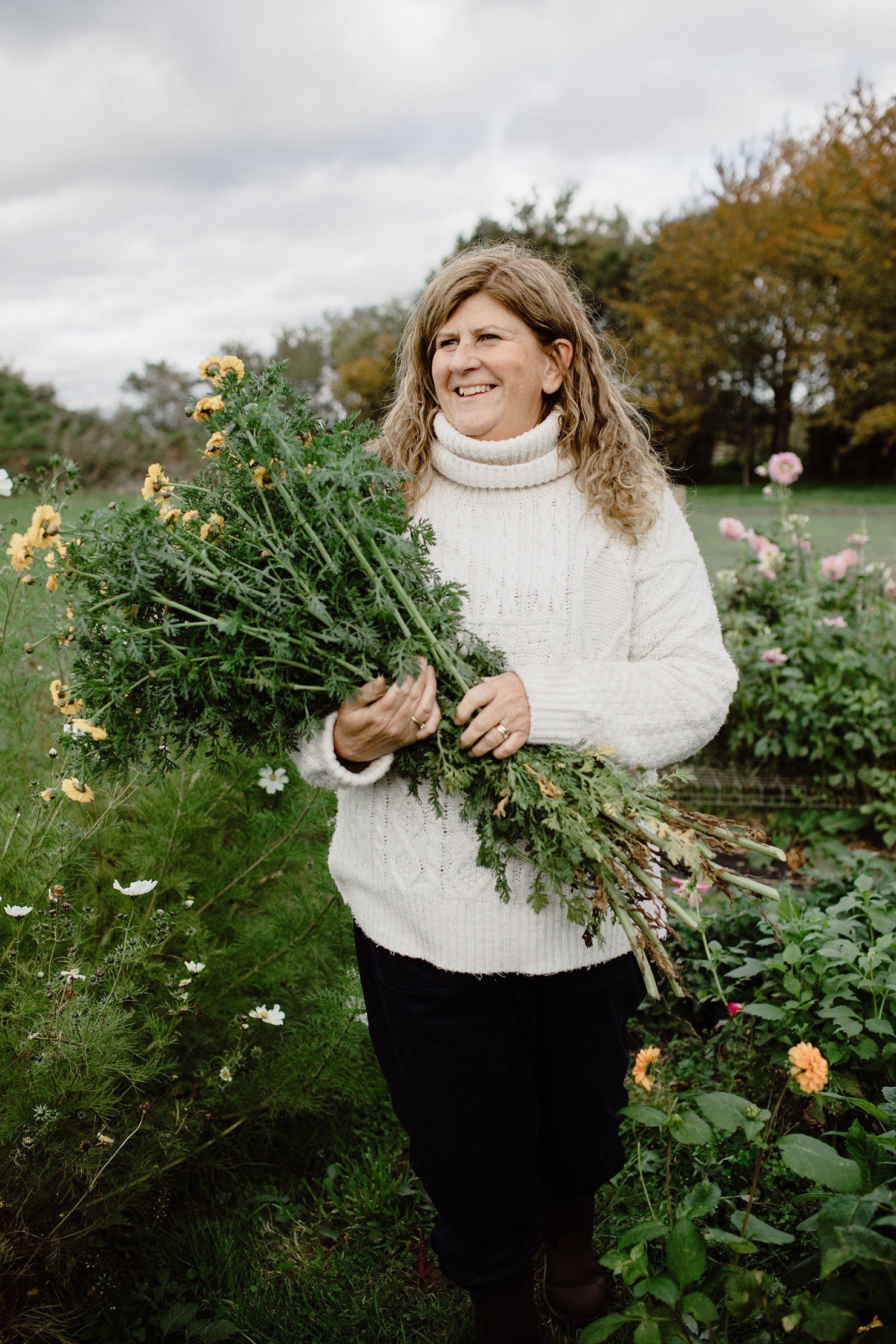

February is the turning point in the cut flower calendar. The darkest months are behind us, and the first real flush of British blooms starts to appear in polytunnels and sheltered beds across the country. These early flowers are precious, fleeting and utterly worth seeking out. When you buy British flowers in February, you are supporting growers who have nursed plants through winter cold, timed sowings to perfection and coaxed stems into bloom when most of the natural world is still dormant. You are also choosing flowers with fragrance, colour and staying power that imported stems simply cannot match.
Why February flowers matter
British flowers in February are rare and precious. Very few things bloom outdoors at this time of year, so most of what you find comes from polytunnels or sheltered beds where the temperature lifts just enough to trigger flowering. The range is narrow compared to summer, but the quality is outstanding.
Buying seasonal supports local growers and cuts air miles. Every bunch you buy from a British farm means one fewer airfreighted box from overseas. February flowers are also timed to bloom naturally in cool light, so they last longer in the vase and their colours stay true. They are worth every penny.
Narcissi: the backbone of February
Narcissi include daffodils, jonquils and scented tazettas, and they are the backbone of February flowers UK production. I grow them in the polytunnel and in sheltered outdoor beds, and they peak from late January through March. The scented varieties are my favourites: 'Erlicheer' with its creamy doubles, 'Soleil d'Or' with golden petals and orange cups, and 'Avalanche' with its clusters of white and yellow blooms.
These flowers last seven to ten days in a cool room, and their fragrance fills a space without being cloying. British-grown narcissi are picked at the pencil stage (buds showing colour but not yet open), which means they travel better and open gradually in the vase. When you buy them, look for tight buds and firm stems. If the flowers are already fully open, they will not last as long.
I talk about narcissi timing and variety choices often on The Cut Flower Podcast, because getting the succession right is one of the trickiest parts of early spring growing. If you want to grow your own, narcissi are one of the best flowers to grow for cutting because they are low maintenance, reliable and incredibly productive.
Anemones in early spring
Anemones thrive in cool February weather. They hate heat, so this is their moment. The stems are strong, the colours are saturated and the black centres are dramatic against petals in deep purples, reds, whites and occasional pinks. British-grown anemones have stronger stems than imports because they grow slowly in cooler light, which builds stem strength.
I sow anemone corms in autumn under cover, and they start flowering in late January if the winter is mild. They keep going until May, but the February flowers are always the best: the stems are longest, the blooms are largest and the vase life is exceptional. Anemones last five to seven days in water, and they keep growing towards the light, which gives arrangements a lovely, loose quality.
Look for anemones with buds just starting to open. Fully open flowers are beautiful, but they will shatter within a couple of days. The 'Mistral' series is the most common, but if you find 'Galilee' or wild-type single anemones, grab them. They have a delicacy that the big doubles lack.
Pussy willow and catkins
Pussy willow and catkins are foraged or grown in gardens and hedgerows, and they are one of the simplest ways to add height and texture to February arrangements. The soft, silvery buds of pussy willow (Salix caprea) are iconic, but you can also find hazel catkins, alder catkins and early willow varieties with pink or yellow buds.
Cut branches last weeks in water, and they will even root if you leave them long enough. I cut pussy willow from a tree at the edge of my field every February, and the stems are always in demand. They mix beautifully with narcissi and anemones, and they give structure to arrangements that might otherwise feel too soft.
When you buy catkins or pussy willow, check that they are British. Imported pussy willow is common in supermarkets, but it has often been dyed or treated, and it does not have the same natural texture.
Other February blooms to look for
Early tulips, hellebores and winter jasmine appear in February if the weather is kind. Tulips are not common this early, but if you find them they will be British-grown under cover and usually in softer colours like cream, pale pink or apricot. Hellebores are exquisite but tricky to condition (they need their stems seared or slit), so they are not always available as cut flowers.
Ranunculus may start in mild years, especially in southern polytunnels. The first flush is always small and the stems are shorter than later crops, but the colours are just as saturated. I usually see the first ranunculus in my polytunnel in late February or early March, depending on light levels and temperature.
Foliage like eucalyptus and rosemary bulks out arrangements when flowers are scarce. Eucalyptus is evergreen and available year-round from British growers, and rosemary adds fragrance and a soft, feathery texture. I also cut pittosporum, viburnum foliage and early spring growth from shrubs in the hedgerows.
How to make February flowers last
Keep vases cool, away from radiators and direct sunlight. February flowers are grown in cool conditions, so they sulk in warm rooms. I keep mine in the coolest part of the house, and they last twice as long as they would near a radiator.
Change water every two days. Clean water is the single biggest factor in vase life. When you change the water, rinse the stems under a tap to remove any bacteria, then recut them at an angle with a sharp knife or secateurs. Do not crush the stems, because that damages the tissue and reduces water uptake.
Recut stems at an angle every time you change the water. Removing a thin slice reopens the capillaries and allows the stems to drink properly. If your flowers are drooping, try recutting and giving them a deep drink in cool water for an hour before arranging them.
Where to buy seasonal February flowers
Look for British flower farmers and local florists who stock seasonal, locally grown stems. Many of us sell direct through online shops, farm gate sales or weekly subscriptions. You can also find British flowers at farmers' markets and independent florists who prioritise local and seasonal stock.
Check for polytunnel-grown or outdoor seasonal stock. If a florist or shop is selling roses, gerberas or carnations in February, they are imports. There is nothing wrong with that if you want year-round variety, but if you care about seasonality and sustainability, ask where the flowers come from.
Avoid supermarket imports when you can. Supermarket flowers are cheap, but they are almost always airfreighted, often treated with chemicals to extend shelf life and rarely as fragrant or long-lasting as British-grown stems. If you want to support British growers and reduce your environmental impact, buy direct from farms or local florists who source from British suppliers.
If you want fresh, seasonal February flowers UK grown on my farm in Buckinghamshire, visit my shop. I offer weekly subscriptions and one-off bouquets, all cut to order. Everything I grow is seasonal, scented and picked at its peak. You can also hear more about what I am cutting each month on The Cut Flower Podcast, where I share what is happening in the polytunnel and the field week by week.
Frequently asked
What flowers are in season in February in the UK?+
February flowers UK include narcissi, anemones, pussy willow, early tulips, hellebores and winter jasmine. Most are polytunnel-grown or from sheltered beds. British flower farmers harvest these weekly, so freshness and scent are far better than imports.
Are narcissi the same as daffodils?+
Yes. All daffodils are narcissi. The narcissus family includes trumpet daffodils, jonquils, tazettas and paperwhites. In February, scented varieties like 'Erlicheer' and 'Soleil d'Or' are at their peak in British polytunnels.
How long do February flowers last in a vase?+
Narcissi last 7 to 10 days. Anemones last 5 to 7 days. Pussy willow lasts several weeks. Keep them cool, change water every two days, and recut stems. February flowers last longer than summer blooms because the weather is cool.