sustainability · April · 2 min read
Biological Control — Gardening Without Chemicals
Nematodes, ladybirds, lacewings — a practical intro to biological pest control for cut flower growers.
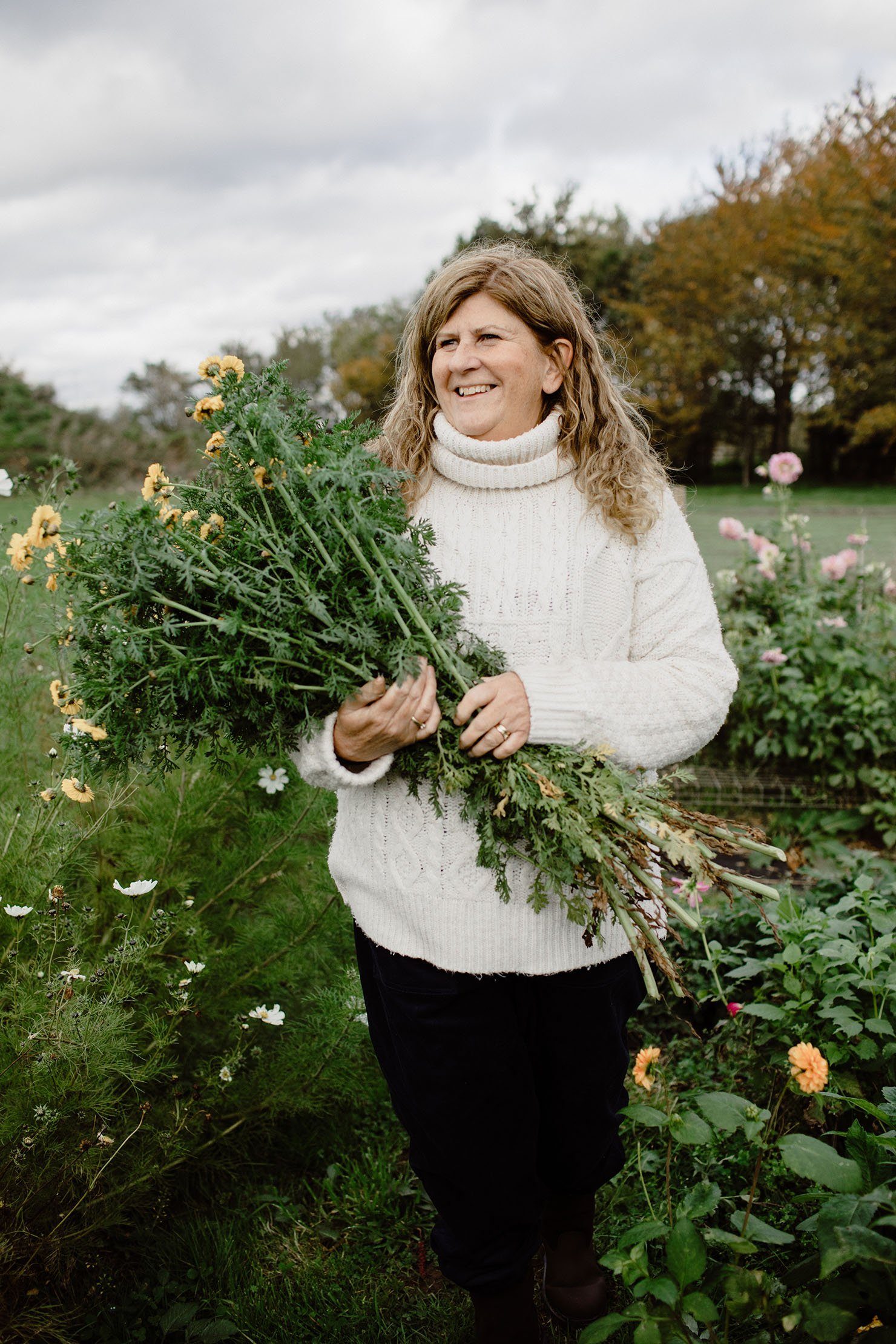

Biological control — gardening without chemicals.
Every year at Field Gate we spray absolutely nothing. Not once. The patch is visited by school groups, my grandchildren and our team — I'd rather fight pests the hard way than ask any of them to eat a strawberry from a chemical-laced border.
Here's what we use instead.
1. Nematodes
Microscopic worms that parasitise specific pests. We use them for:
- Slugs (Phasmarhabditis hermaphrodita) — watered into the soil in spring. The single best thing you can do for tender seedlings.
- Vine weevil larvae — the hidden nemesis of pot-grown plants. A spring and autumn drench.
2. Ladybirds and lacewings
Both predate aphids at a ridiculous rate. You can buy in larvae, but you can also encourage native populations simply by not spraying. Within two seasons you'll have them in numbers.
3. Hoverflies
The unsung heroes. Hoverfly larvae eat their body weight in aphids every day. Grow a band of cornflower, phacelia and single-flowered annuals near your cash crops and you've built a hoverfly nursery.
4. Garlic spray (the one "treatment" we do use)
Boil 2 whole garlic bulbs in 2 litres of water. Strain. Dilute 1:10 with water, add a drop of washing-up liquid, and spray as a pest deterrent. This isn't really a kill — it's an "I don't want to eat this leaf" signal for most chewers.
5. Companion planting
- Calendula near cabbages.
- Nasturtium near sweet peas (acts as a sacrificial aphid magnet — you pull it out when it's covered, and the main crop is safe).
- Alliums (chives, leeks) near roses — the smell discourages aphids.
- Mint in pots at entrances — discourages carrot fly.
6. The "do-nothing" strategy on pest year one
Hand on heart, the best biological control is time. The first year of a no-spray garden is rough. By year three, you will have more pollinators, more predators, and fewer pests than you've ever had — and zero input cost.
🎧 Listen to the podcast episode: The Cut Flower Podcast — Biological Control
If you want to grow flowers without chemicals and have a patch that thrives, join us inside The Best Bunch Membership or the Seed to Vase course.


